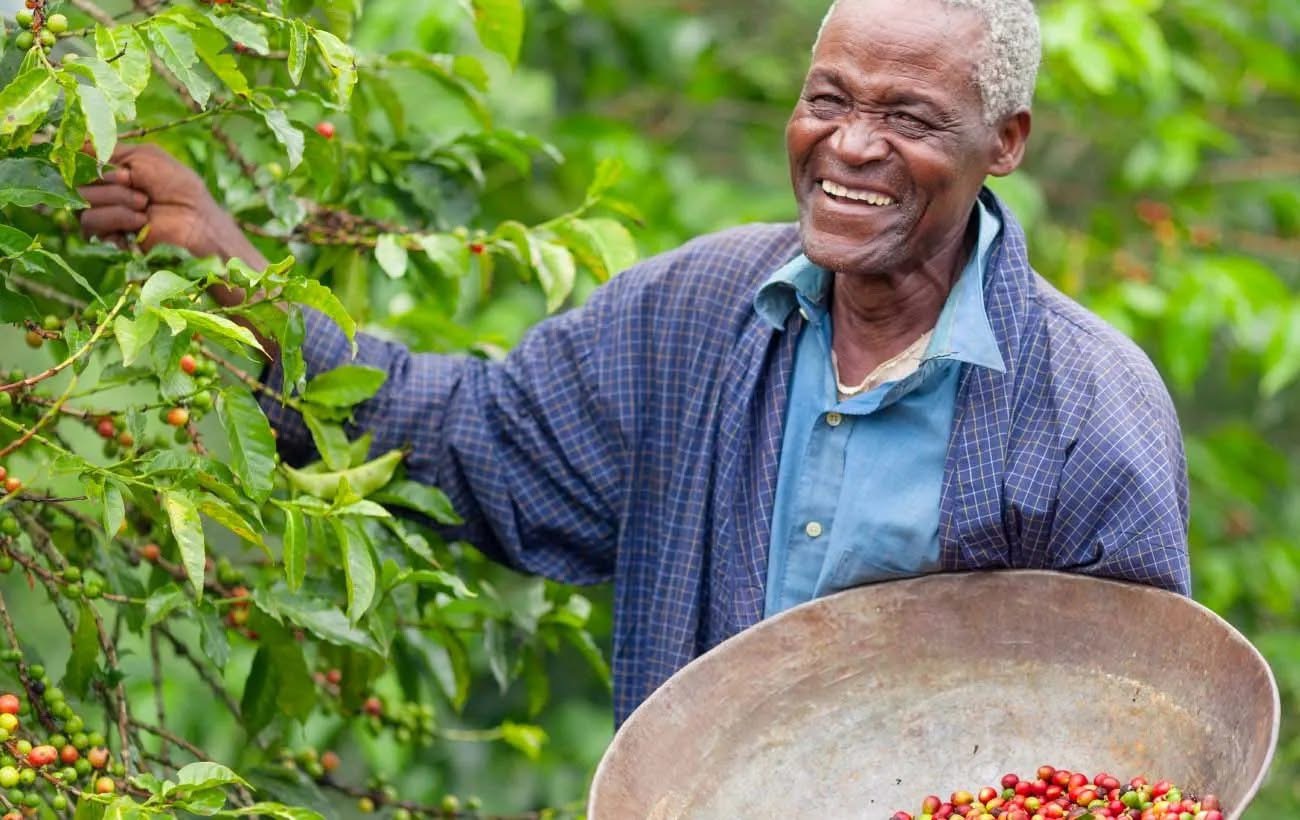
Amid rising production and favourable global prices, Angola is introducing new export rules to improve quality and capture greater value from its recovering coffee industry

Article by:
PUBLISHED:
Angola, once one of Africa’s largest coffee producers, is moving to tighten its export regulations as part of efforts to rebuild a sector that collapsed following independence and a prolonged civil war. The country’s coffee production peaked in the late 1960s, with an annual output exceeding 235,000 tonnes, a figure the industry is only now producing a small fraction of.
The sector is currently undergoing a structural recovery, Forbes Africa reports. The National Coffee Institute of Angola says output reached 10,500 tonnes in 2025, which represents a 40 percent increase from the previous year. This followed a solid performance in 2024, when production was 7,584 tonnes, up 21.8 percent year-on-year, according to FAO data.
Exports are also on the rise; Angola shipped 3,288 tonnes of commercial coffee in 2025, generating US$12 million in revenue due to favourable international prices.
Against this backdrop, the government has reviewed a draft presidential decree that sets out new norms and procedures for green coffee export. The proposal was discussed during the 5th Ordinary Session of the Council of Ministers, which was led by President João Lourenço.
Authorities claim that the new framework is intended to enhance quality standards, better organise the export supply chain, and strengthen the position of Angolan coffee in global markets.
[See more: Angola’s capital boosts green transport with Chinese electric buses]
Agriculture minister Isaac Francisco Maria dos Anjos said the measures were designed to re-establish coffee as a key income-generating crop for thousands of families. The minister added that the government wants producers to secure greater value from their work.
This reform is timely, occurring when global coffee prices are historically attractive, which Luanda views as an opportunity to turn the crop into a more profitable activity and create economic chances for young people in rural areas.
To support the recovery, the government is investing in expanding plant nurseries across multiple provinces, with financial backing from both the Coffee Development Fund and the Agricultural Development Fund.
This overall strategy aims to increase cultivated areas, boost seedling availability, and accelerate the sector’s revival. For oil-dependent Angola, reconstructing the coffee value chain is a crucial part of a broader plan to diversify exports, increase non-oil revenues, and stimulate rural development.
UPDATED: 03 Jun 2026, 9:22 am