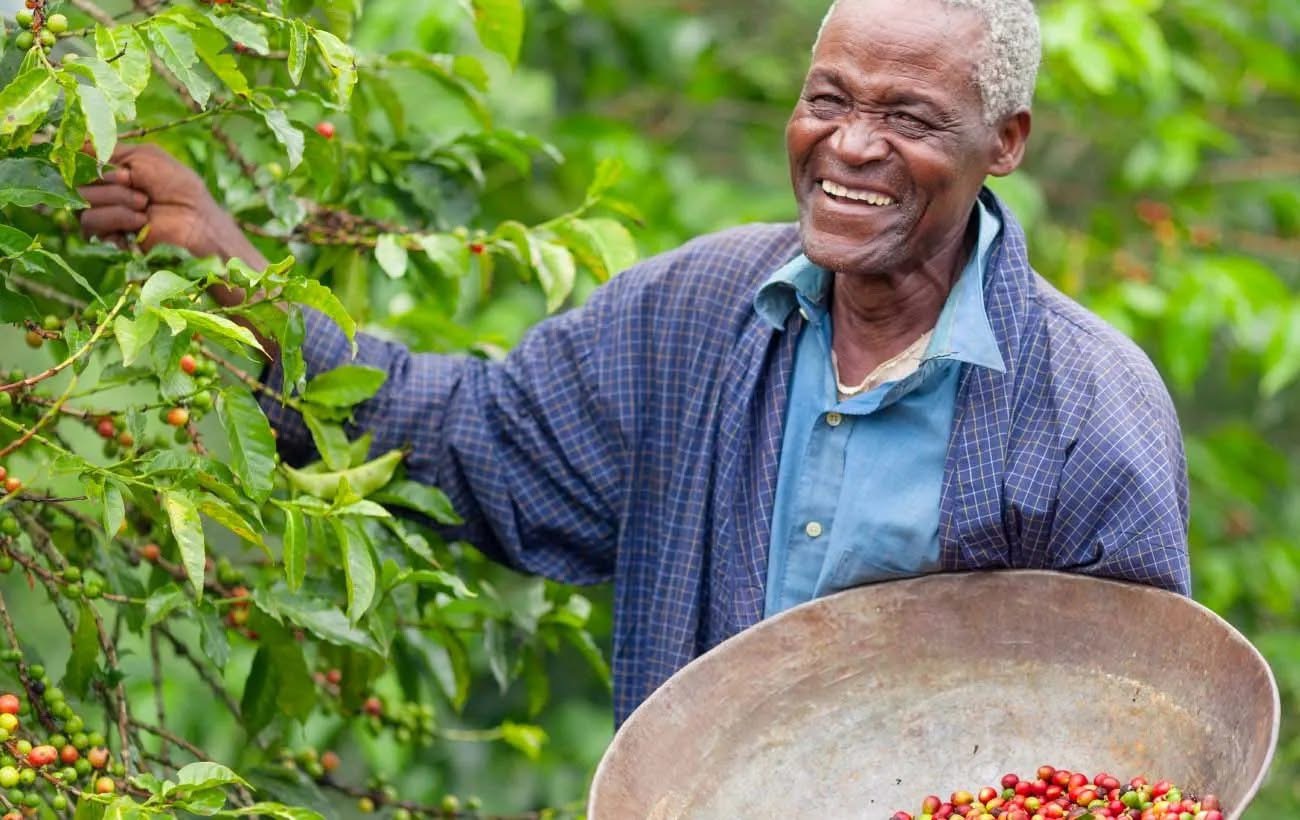
Border surveillance is being strengthened across Angola's provinces, which share a 2,511-kilometre boundary with the Democratic Republic of Congo


Article by:
PUBLISHED:
Angola has placed its border provinces on maximum health alert as the Ebola outbreak in the Democratic Republic of Congo (DRC) continues to intensify. The situation has prompted elevated surveillance and prevention measures across the country, according to the Portuguese language service of Radio France International (RFI).
The logistical challenge of monitoring the country’s border with the DRC is significant, given its length of 2,511-kilometres. The border connects seven Angolan provinces: Cabinda, Zaire, Uíge, Malanje, Lunda Norte, Moxico, and Moxico Leste.
Heitor Andrade, public health director for Lunda Norte province, stated that border control and screening procedures have been reinforced to prevent cross-border transmission. António Manuel, provincial health office director for Cabinda – Angola’s northernmost province – affirmed the region is prepared with robust epidemiological monitoring and response measures, RFI says.
The DRC remains the epicentre of the outbreak. According to a bulletin published by the Congolese Ministry of Communication, 1,077 suspected cases, including 238 suspected deaths, have been recorded. Laboratory testing by Congolese health authorities confirms 121 cases and 17 deaths. Meanwhile, the World Health Organisation (WHO) reported 906 suspected cases, including 223 fatalities; of 295 samples analysed, 105 cases were confirmed, with 10 deaths.
[See more: Angola commits over $1 billion to tackle devastating southern drought]
Last week, the Africa Centres for Disease Control and Prevention identified Angola as one of 10 African nations at high risk of being affected due to its shared border. Uganda was also classified as high risk. Following this assessment, the WHO elevated the risk level in the DRC and Uganda from “high” to “very high” on Friday.
The risk level remains “high” across Sub-Saharan Africa and “low” globally, RFI reports. The WHO declared the Ebola outbreak a Public Health Emergency of International Concern on 17 May. This is the 17th Ebola outbreak recorded in the DRC since the virus was first identified in 1976.
The current epidemic is viewed as particularly complex as there are no approved treatments or vaccines available for the Bundibugyo strain of the virus. According to the WHO, this strain carries a fatality rate that ranges between 30 percent and 50 percent.
Separately, Ugandan authorities have temporarily closed their border with the DRC to contain a cholera outbreak that began on 15 May.