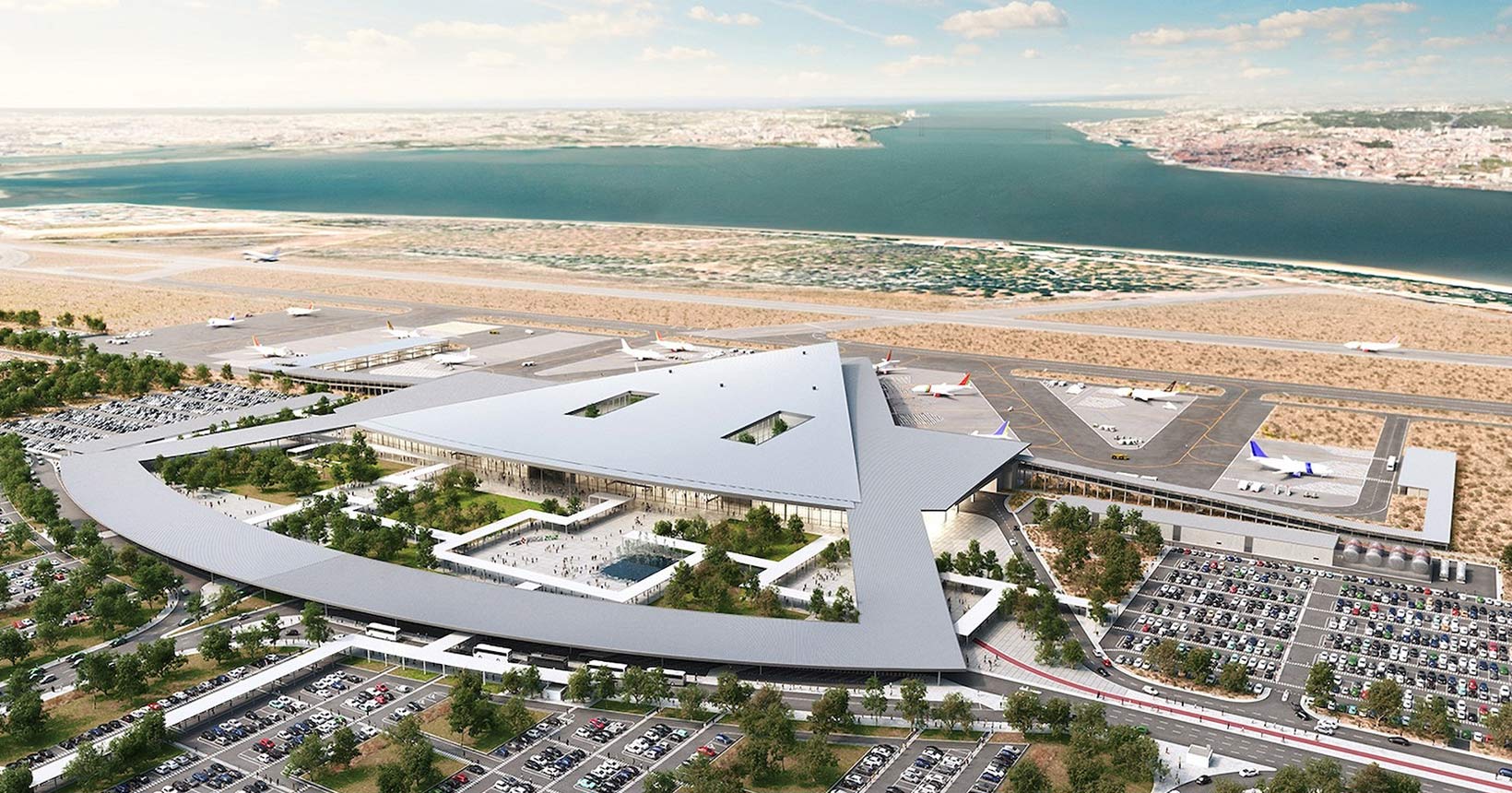
A significant delivery from Shanghai has landed in Brazil, marking the start of on-site construction for the 12.4-kilometre Salvador–Itaparica Bridge

Article by:
PUBLISHED:
The Salvador–Itaparica Bridge project, a massive structure planned to span 12.4 kilometres between the capital of Bahia, Salvador, and Itaparica Island, has received its first shipment of materials from China.
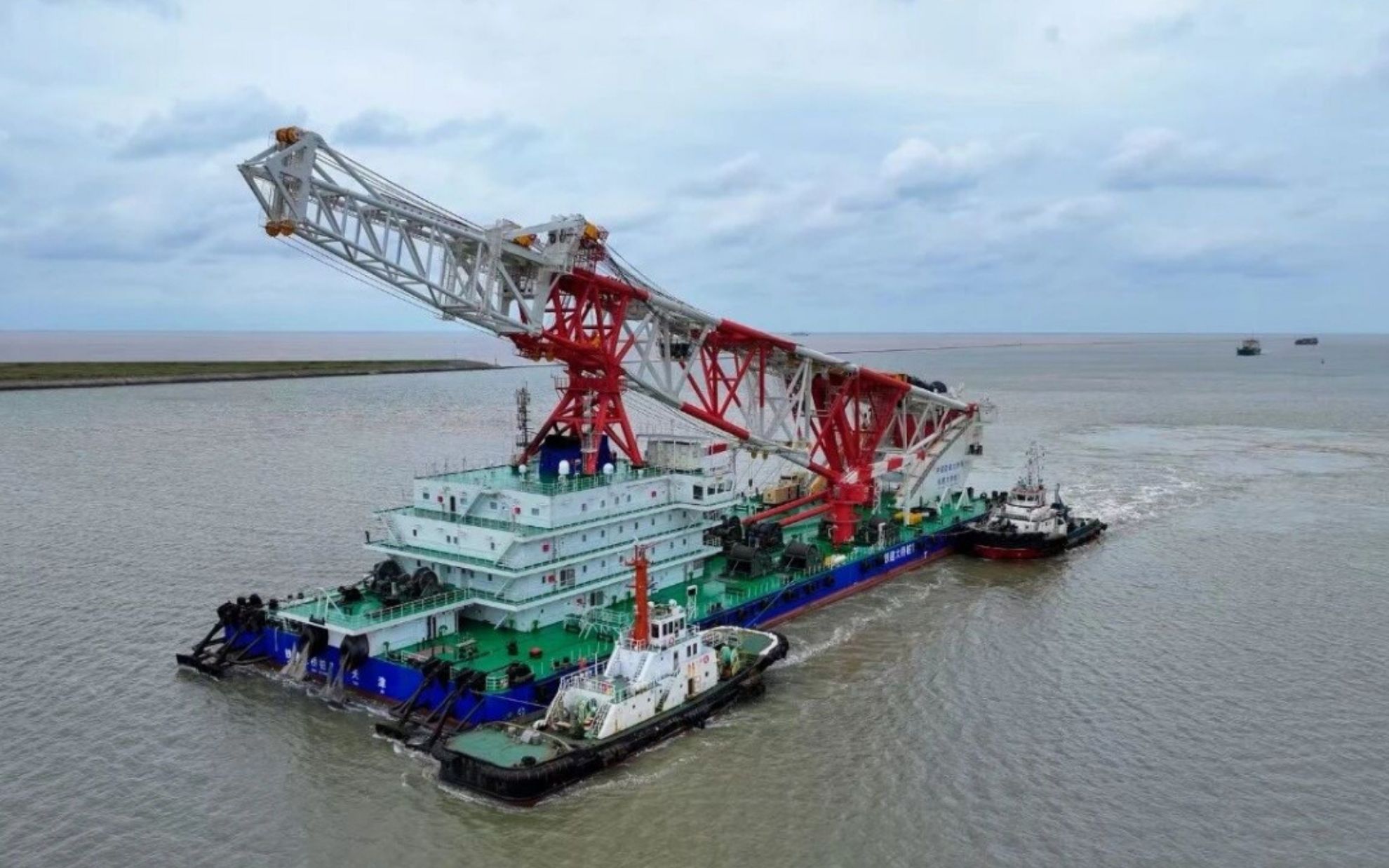
A vessel from China recently docked at the Port of Salvador, having completed a journey of roughly 17,000 kilometres after departing from Shanghai on 30 March, according to a Brazilian government handout. The cargo comprised more than 800 tonnes of equipment valued at approximately US$3.5 million.
The US$1.9 billion infrastructure scheme is being undertaken by two Chinese entities, China Railway Construction Corporation (CRCC) and China Communications Construction Company (CCCC). Construction is set to commence in early June, with the planned completion date scheduled for June 2031.
The components in the consignment, numbering 1,550 items, include essential parts such as metal structures, beam panels, locking pins, and support bolts. These materials are vital for the construction of a temporary offshore platform. This critical structure will facilitate construction work by enabling the movement of equipment, technical teams, and heavy machinery across the marine work sites.
[See more: China and Mozambique boost cooperation in key strategic sectors]
Officials estimate that using the platform will substantially improve maritime traffic management in the bay by reducing the requirement for support vessels by almost 70 percent.
The bridge is anticipated to deliver significant regional benefits. Upon completion, the commute between Salvador and Itaparica will be shortened to under 30 minutes, a considerable improvement compared to the current ferry crossing, which takes over an hour.
The five-year building phase is expected to generate an estimated 7,000 indirect and direct employment opportunities.
The entire initiative is structured as a public-private partnership between the concessionaire and the State of Bahia’s Government. The overall concession period is 35 years, incorporating one year for preparation and studies, five years dedicated to construction, and 29 years for operating the bridge.
UPDATED: 22 May 2026, 10:54 am