Regulators are consulting with major domestic technology firms on new restrictions aimed at safeguarding strategic assets and limiting foreign access to key AI data.

Article by:
PUBLISHED:
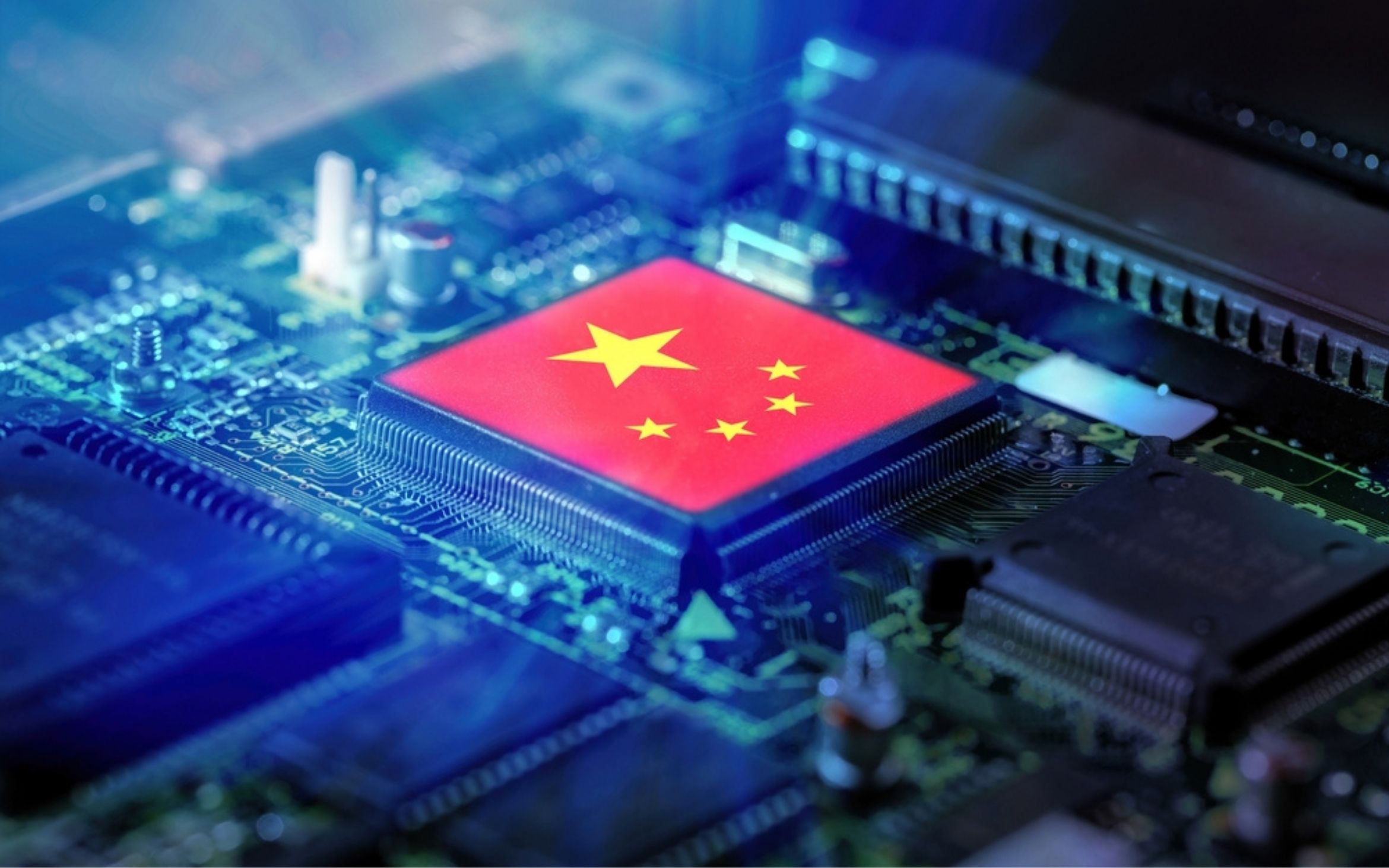
Chinese authorities are reportedly exploring the implementation of more stringent export controls on artificial intelligence and semiconductor technologies. The move underscores Beijing’s growing recognition of advanced AI as a vital national asset that necessitates tighter state oversight to ensure domestic dominance, the Financial Times reports.
The Ministry of Commerce has been engaging with leading homegrown AI and chipmaking companies to formulate strategies for export controls that would hinder the foreign acquisition of advanced domestic technologies and start-ups. Consultations are understood to involve major industry players, including Alibaba, ByteDance, and Zhipu.
[See more: Major Chinese export surge posted in June]
The discussions focus on curtailing the transfer of critical data used for training models, as well as restricting the ability of overseas users to download model weights (numerical parameters that determine how strongly an input feature influences the output of the model).
Potential export controls under review may also prevent Taiwan’s TSMC and foreign manufacturers, such as Qualcomm, from fabricating advanced semiconductors based on designs originating from mainland Chinese firms like Huawei, Alibaba, and ByteDance, the Financial Times says. The proposed restrictions may further extend to the overseas acquisition of strategic technology in areas such as agentic AI.
These proposals are currently in the consultative phase, with regulators assessing feedback from the industry before finalising any decisions. The new measures could be incorporated into a future revision of the national catalogue of technologies that are restricted or prohibited from export.