The Taobao operator loses a tenth of its market value in a single day, highlighting intensifying competition to build out its AI ecosystem.
Hong Kong stocks fall after Alibaba announces an equity placement
Article by:
PUBLISHED:
Hong Kong’s Hang Seng Index dropped 2 percent on Monday after Alibaba announced it would issue 710 million new shares to bankroll its artificial intelligence (AI) and cloud computing infrastructure. For the e-commerce company that makes up more than 7 percent of the closely watched benchmark, the share price tumbled by as much as 10 percent with the placement set to raise HK$80 billion (roughly US$10 billion) for the group.
The offering comes a week after the tech firm reported a 75 percent drop in quarterly profits. The company had indicated that its committed AI infrastructure was supporting a mid-teen return on invested capital with a payback period of less than three years.
[See more: Gold and bitcoin prices are moving higher. Here’s why.]
Earlier this month, Alibaba released its latest AI model, Qwen 3.8-Max, which features 2.4 trillion parameters with 95 billion active parameters.
The announcement extends the tech industry’s aggressive AI spending. which analysts have cited as indirectly pushing US Treasury yields higher as larger corporate debt issuances flood the bond market. Coupled with rising energy prices, inflation concerns have pushed capital to alternative assets like gold and bitcoin.
Beyond Alibaba: AI and robotic driven rally
Alibaba’s equity placement is taking place as AI enthusiasm continues to draw mainland investors. The stock price of ChangXin Memory Technologies (CXMT) has risen nearly sixfold since listing in late July, quickly becoming one of China’s most valuable companies. Last week, Unitree Robotics’ market valuation jumped more than sixfold on its first trading day.
Unlike other loss-making AI companies raising equity, Unitree issued public shares as a profitable entity, providing assurance to fund managers allocating capital to unprofitable business models.
[See more: Shenzhen-backed robot breaks Usain Bolt’s 100m record]
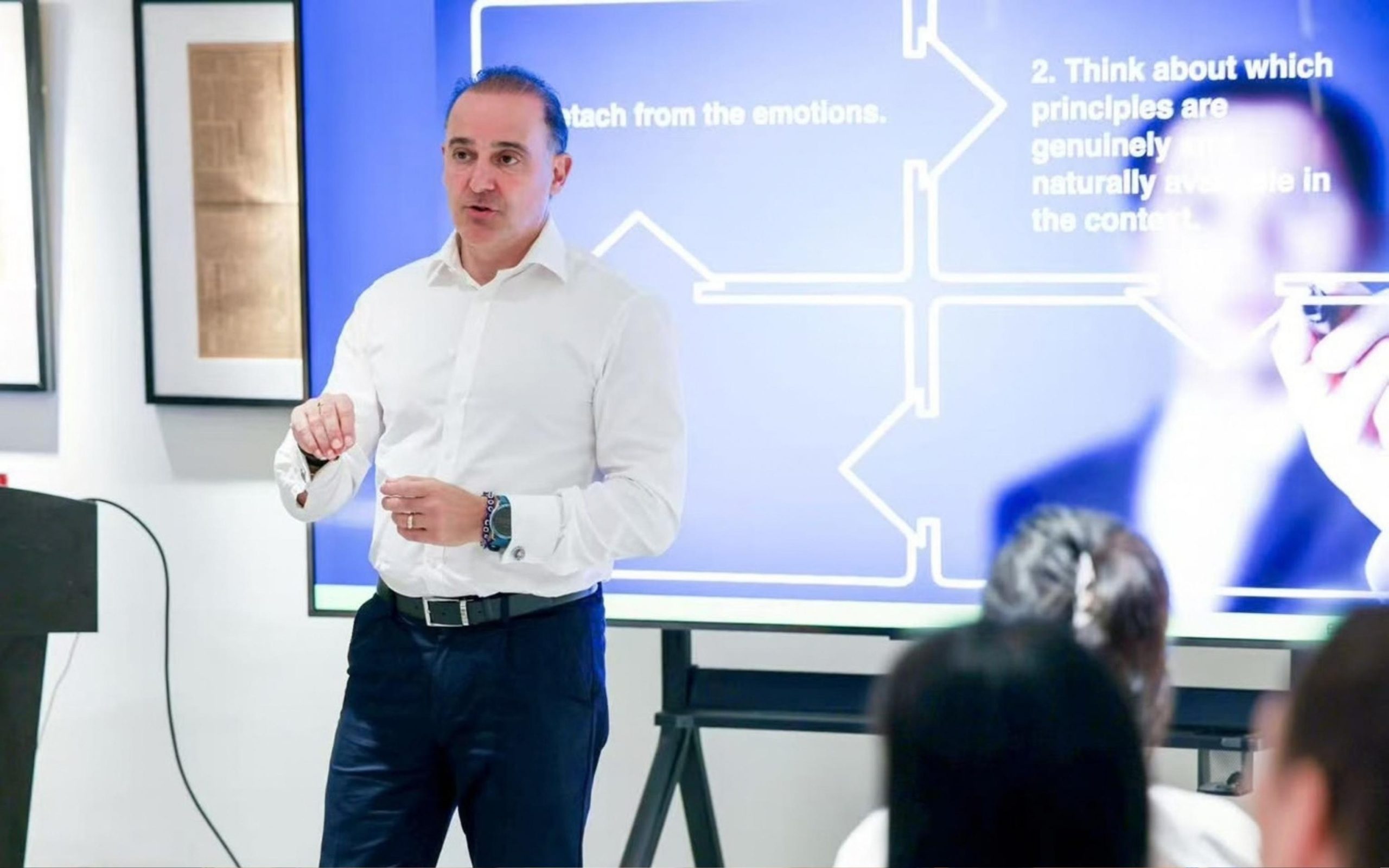
“In this enthusiastic market, a compelling story and genuine scarcity value can carry an unprofitable name a long way,” shared Alan Tse, chief investment officer at AA Capital, speaking to The Bay. “But while profitability helps the valuation conversation, it does not gate entry to a party,” he said.
For the first five months of the year, AI-related IPOs in Hong Kong have raised nearly HK$100 billion, accounting for 55 percent of total public money raised.