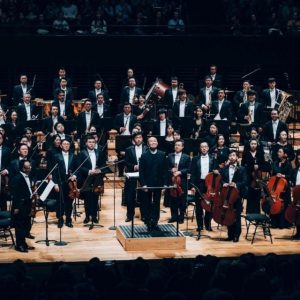
“Political stability, latent demand, and unmatched supply continue to work in Macao’s favour,” he said in his opening remarks at the G2E conference in Macao
‘Macao was a supply-side revolution’ says Sands China’s CEO Grant Chum
Article by:
PUBLISHED:

When the chief executive officer of Sands China, Gramt Chum, opened yesterday’s G2E Asia Conference, he spoke about Macao’s future by taking a walk down memory lane.
“Everything we see today came from Sheldon Adelson’s vision,” commented Grant Chum, who recalled that when the late chairman of Las Vegas Sands Corporation asked where the land (and location) for a Las Vegas–style casino for the Chinese consumer would come from, the answer came as a surprise.
“At some point, somebody responded that it was under the water,” Chum remarked.
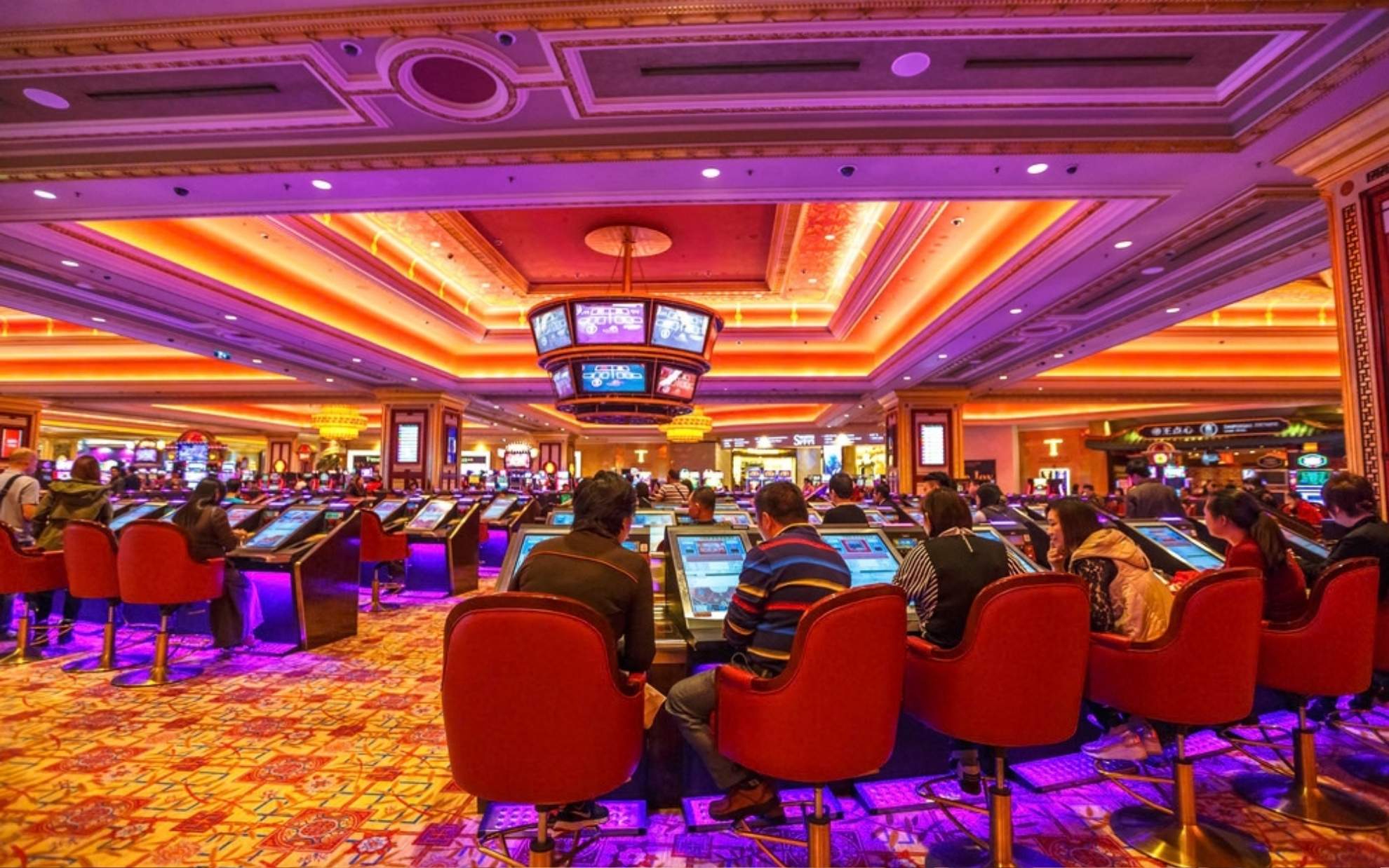
The Macao story would become a supply-side revolution. In January 2005, the city housed a modest 9,600 hotel rooms, with occupancy rates hovering around 67 percent. Adding a 3,000-room Venetian was simply unimaginable, the speaker described.
Fast forward two decades later, the landscape has completely changed. Led by six gaming concessionaires, nearly 90 percent of the 45,000 rooms are occupied today, making the Macao story almost unreplicable anywhere, Chum said.
“The Venetian only cost $2.5 billion to build then, but to construct it now would be closer to $12 billion due to the competition,” he shared, noting that factors that drove the market then are still in place to help foster a diversification offering, particularly in entertainment, retail, and MICE.
“Political stability, latent demand, and unmatched supply continue to work in Macao’s favour,” Chum concluded, adding that this formula would continue to serve well in the decades ahead.
Rising optimism meets fading ROIC
With as much focus on the hardware, attention is also needed on the software, with the emphasis on data and intelligence, noted attendees of this year’s expo and conference. “To build out Macao is really building out the future of hospitality with innovation and industry professionals to respond to that insight,” said Winson Tam, business development manager at the Digital Hotelier, speaking to The Bay.
“This is what truly makes Macao’s hospitality unmatched anywhere not just in Asia, but the world,” Tam added.
But despite the structural tailwinds mentioned by Chum and Tam, investment challenges linger, particularly as returns on investments are fading and cashflows come under pressure, commented Praveen Choudhary, gaming analyst at Morgan Stanley, who spoke during the afternoon session.
With Macao’s gaming stocks having lost 15 percent of their market value this year, selling pressure stems from downward revisions of earnings before interest, taxes, depreciation and amortisation (EBITDA), explained Choudhary, who downgraded the sector back in March amid concerns over softening gaming revenues.
The pivot towards higher-margin players in the premium mass segment has not strengthened the earnings mix due intensifying competition and rising player reinvestments, the analyst said. Stocks have followed the sector EBITDA outlook, with sell-side having already cut its outlook this year to $8.4 billion, which is still 10 percent lower than the $9.3 billion reported in 2019 despite a full recovery in tourism.
Both the concessionaires and the policymakers understand the importance of driving non-gaming revenues in Macao, Choudhary says, noting that non-gaming revenues now account for an estimated 15 percent of gross revenue, up from 10 percent in 2018, according to the bank’s estimates.
G2E Asia and the Asia IR Expo continue today. Niall Murray, chairman and chief executive officer of Murray International, will moderate a panel on how technology is shaping the future of the gaming floor and optimising the casino floor mix.
UPDATED: 13 May 2026, 8:39 am