Economic diversification is one of the key components of the plan, which will undergo public consultation between now and 28 June
Macao’s third five-year plan targets a non-gambling GDP share of 60 percent by 2030
Article by:
PUBLISHED:

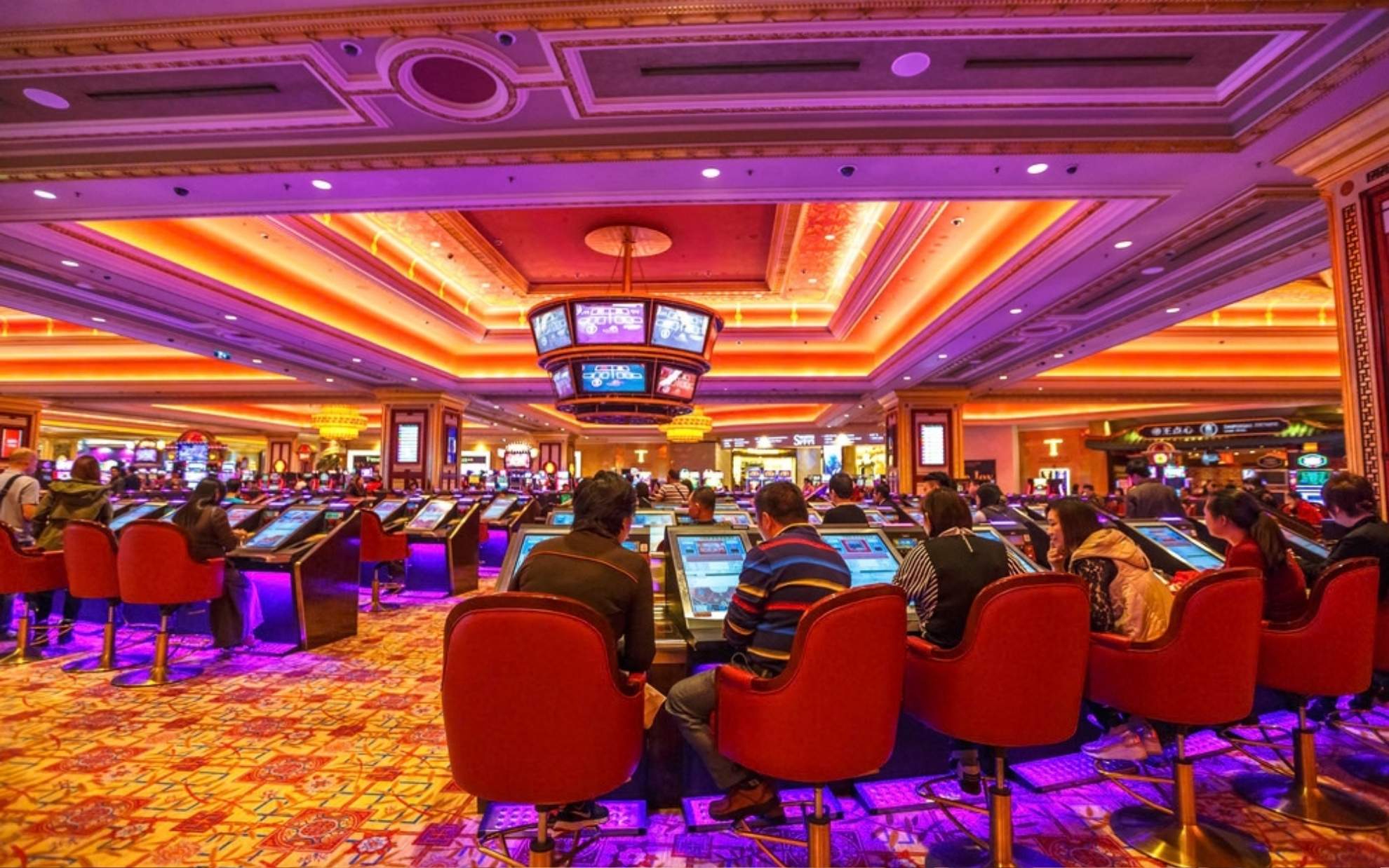
Macao is looking to further reduce its reliance on the casino industry, with the consultation document for the third five-year plan aiming to increase the gross domestic product (GDP) contribution of non-gambling sectors from 56.7 percent in 2024 to around 60 percent by 2030.
Published yesterday, the document – consisting of 10 sections and 36 chapters – is part of a 40-day public consultation that runs between today and 28 June.
The Policy Research and Regional Development Bureau (known by its Portuguese initials DSEPDR) told local media the aim was not to “lessen” or “shrink down” Macao’s casino industry but to economically diversify in tandem with the development of the gambling sector.
The five-year plan mentions measures such as boosting capital investment and institutional policy support, establishing government guidance funds and expediting the development of a featured finance sector.
Seven other main goals were outlined in the plan, one of which included promoting the development of Hengqin. The SAR government is looking to further enhance integration between Hengqin and Macao in areas such as infrastructure, regulations and public services.
A number of ambitious plans were mentioned in the plan, including the construction of new transport routes between Macao and Hengqin. The authorities said they would make sure that the conditions are in place in Macao’s Light Rapid Transit (LRT) network for such links, adding that they would continue to carry out research on a route between Hengqin Financial Island, the Macao peninsula and Taipa.
[See more: Hengqin at 5: A policy project or a genuine second home?]
Similarly, the government intends to fast track the development of the Hengqin LRT’s L1 Line, which would connect important locations such as Hengqin Port, Macao New Neighbourhood and the planned Hengqin High-Speed Rail Station. Eventually, the authorities hope to link the Macao LRT’s Hengqin Line to the Hengqin LRT’s L1 Line, further strengthening transport connectivity.
Other key goals mentioned relate to areas such as national security; integrated development between education, technology and talent; improving the livelihoods of residents; the construction of a “beautiful and smart” Macao; and further integration into China’s national development.
During yesterday’s press conference, the head of the DSEPDR, Cheong Chok Man, noted that strengthening coordination and planning with Macao’s neighbours in the Greater Bay Area (GBA) would also be a major task. As part of this goal, Guangdong and Macao have requested that China’s central government provide support across ten projects.
Cheong pointed out that most of these projects were Hengqin-related, covering items such as a connection between Hengqin’s proposed high-speed rail station and Macao, the Macau International Airport Hengqin Upstream Cargo Terminal, and the Macao-Hengqin International Education (University) Town.
During the consultation period, eight specialised consultation sessions and three public consultation meetings will be held.
Those who wish to share their opinion can do so via DSEPDR’s dedicated webpage, the Macao One app or website, telephone (+853 2883 9919), email ([email protected]), mail (Rua do Desporto, no. 185-195, Taipa, Macao) and fax (+853 2882 3426).