UNESCO-recognised Cantonese cooking, a Tadao Ando museum, and the world’s busiest furniture district await – all just over an hour from Hong Kong
A travel guide to Shunde, the Greater Bay Area’s hidden gem
Article by:
PUBLISHED:

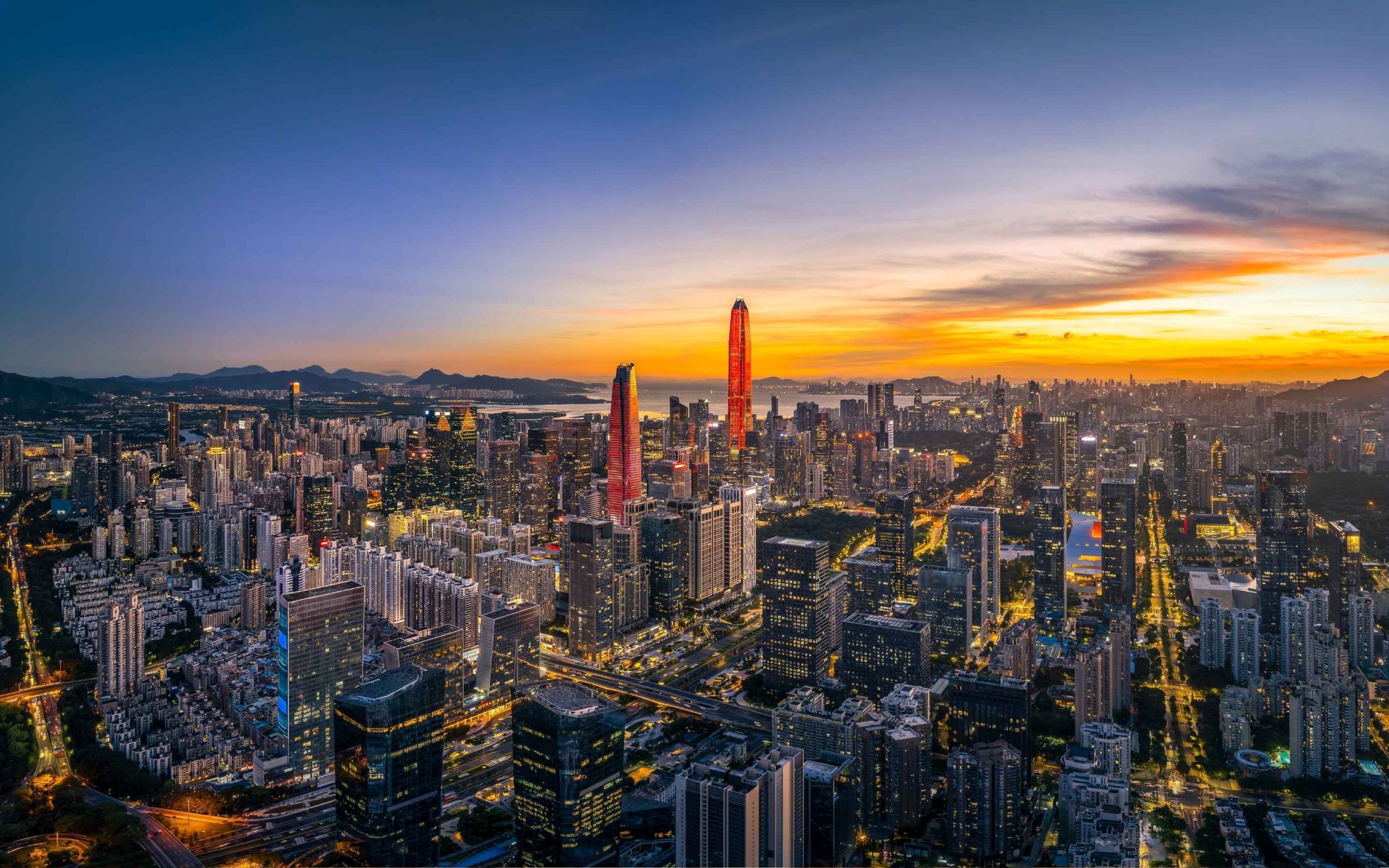
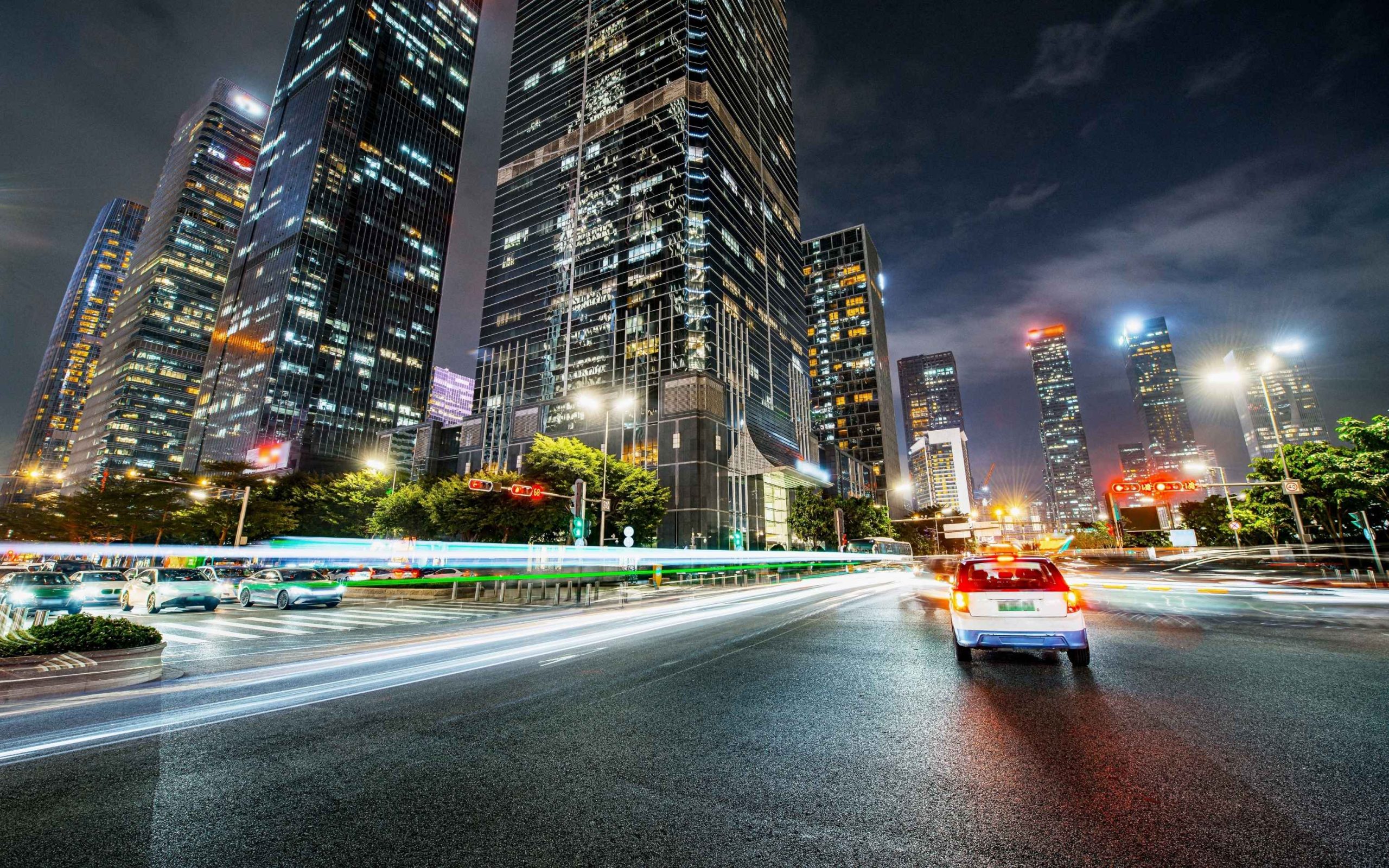
Tucked into the Pearl River Delta between Guangzhou to the north and Hong Kong and Macao to the south, Shunde punches well above its weight. Officially a district of Foshan, it is treated by locals as a city in its own right – and for good reason. It is a cradle of Cantonese cuisine, home to one of the world’s largest furniture-trading hubs in Lecong, and the birthplace of household-appliance giant Midea. It is also, quietly, one of the most photogenic corners of the Greater Bay Area.
In December 2014, Shunde was named a UNESCO Creative City of Gastronomy, the first city in the Cantonese-speaking region to hold the title. Long known as the cradle of Cantonese cuisine and the hometown of many of its master chefs, the district has 30,000-plus restaurants and a deep bench of culinary talent. Whether you are visiting for the food, the architecture, or simply a change of pace from the bigger GBA cities, here is where to spend a day or two.
Eat your way through a UNESCO kitchen

Start with the classics. Min Xin Lao Pu (民信老舖), a Daliang institution operating since the 1930s, is one of the Shunde shops that helped make double skin milk – a silky, twice-cooked dessert traditionally made with fresh buffalo milk – a regional icon. Come at the right hour and you’ll queue alongside locals for a warm bowl topped with red bean, ginger syrup or peach gum.
For a full meal, seek out Xing Tan Gong Ping Liang Zheng Congee Hot Pot (杏壇公平靚正粥底火鍋), where each diner gets their own mini pot of slow-cooked white congee to poach fish, seafood and greens in. The decor is no-frills; the flavour is the point. For something more atmospheric, De Yun Ju (德雲居) sits on a canal strung with red lanterns and tree-shaded tables – one of those rare spots near Bijiang Jinlou where the setting is as memorable as the cooking.
Lingnan heritage, layer by layer

The district’s most remarkable heritage site is Bijiang Jinlou (碧江金樓) in Beijiao, a Ming-Qing residential complex built by the Su family, once a local scholar-official dynasty. The name translates as “Golden Building,” and the residence’s screens, doorways and ceilings are sheathed in some of the finest gilded wood carving in southern China – an encyclopaedic showcase of Lingnan craft with hints of European influence absorbed through centuries of Pearl River Delta trade.
For a quieter detour, Qing Lan Garden & Tearoom (晴嵐之野) offers a Japanese-influenced landscape of clipped podocarpus pines, stone lanterns and a koi pond – a calm counterpoint to Shunde’s urban edges. Tea-lovers should also make time for Chencun Flower World (陳村花卉世界), a sprawling flower market with more than 2,000 years of horticultural history behind it. Its onsite tearoom, glass-walled under a pitched roof, makes for a serene pause before you wander the seasonal blooms.
Art and design, old and new

Shunde’s contemporary standout is the He Art Museum (和美術館), or HEM, a Tadao Ando commission that opened in 2020. Funded by He Jianfeng, son of Midea’s founder, the 16,000-square-metre museum draws on Lingnan and ancient Nanyue cosmology – the square earth and round sky – to produce a tiered cylindrical building with a five-storey atrium and a double-helix concrete staircase at its heart. Just across the plaza, ALSO Creative Park (ALSO 創意園) rounds out the afternoon with independent cafés, design shops and live music.
Design obsessives should save time for Lecong (樂從), Shunde’s furniture district and, by some measures, the world’s largest furniture trading centre. The Dojus Furniture Showroom (Dojus 家俬展廳) is the most photogenic entry point: floor-to-ceiling bookshelves, carefully curated mid-century pieces, and a gallery feel that makes a stroll worthwhile even if you aren’t in the market for a sofa.
Where to stay, and getting there

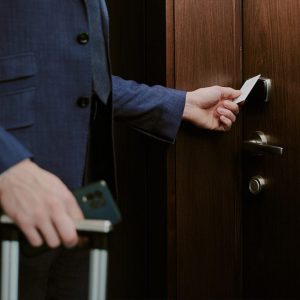
Midea Shunde, a Tribute Portfolio Hotel (順德美的臻品之選酒店) is the natural base – clean modern lines, a calm lobby, and a Beijiao location that puts He Art Museum, ALSO Creative Park and Bijiang Jinlou all within easy reach.
From Hong Kong, direct high-speed trains from West Kowloon Station reach Shunde in a little over an hour. From Macao, the simplest route is to cross into Zhuhai and connect onward to Guangzhou South or Shunde by rail or road. Sights are spread across sub-districts, so a rental car or a day of Didi rides will make the trip flow. Don’t be fooled by the size of the map – Shunde rewards a slow, hungry, wandering visit.
UPDATED: 08 May 2026, 11:22 am