Everyone’s watching Lamine Yamal, but these five underrated young stars could light up the 2026 World Cup. Meet Mora, Bouaddi, Ordóñez, Uzun and Diomande


Article by:
PUBLISHED:
The 2026 World Cup is already up and running. Five days into the group stage, the tournament is doing what it always does, handing the spotlight to the names everyone expected. Lamine Yamal, PSG’s Champions League-winning trio of Désiré Doué, João Neves and Warren Zaïre-Emery, Real Madrid’s Arda Güler and Endrick, Barcelona’s Pau Cubarsí, Turkey’s Kenan Yıldız, Argentina’s Nico Paz. FIFA tipped most of them for its Young Player Award before a ball was kicked, and they’ll take plenty of headlines over the next month.
The World Cup also has a habit of making household names out of players nobody saw coming, the way it did for Michael Owen in ’98 or a teenage Pelé in ’58. So we went through the same 48 squads for five underrated young players worth your attention at the 2026 World Cup. Two of them appear on FIFA’s shortlist; the other three you’ve probably barely heard of.
[See more: Where to watch the 2026 FIFA World Cup in the Greater Bay Area]
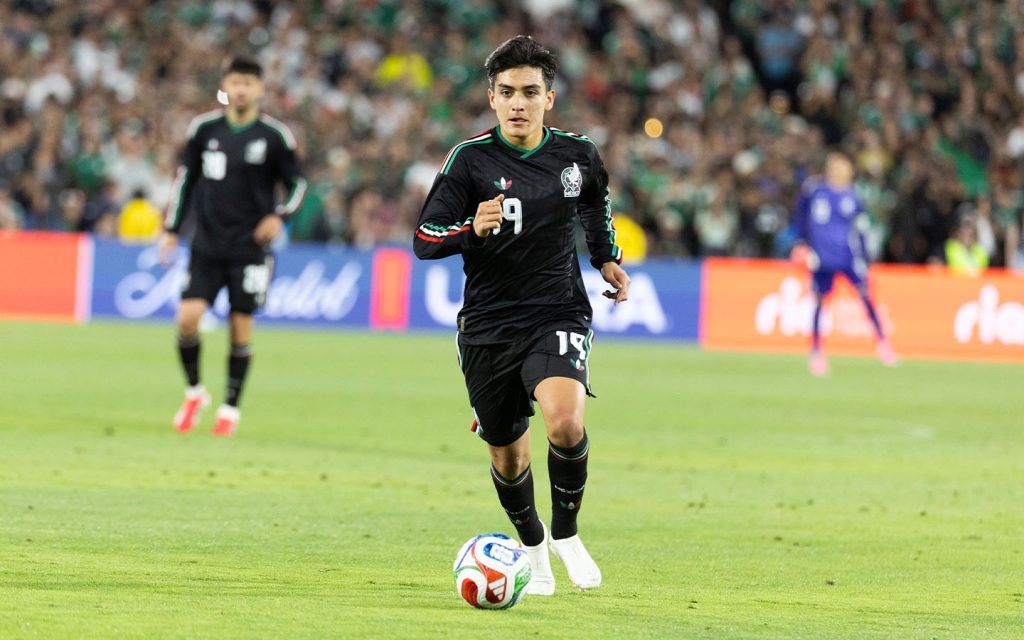
Gilberto Mora was born in October 2008, which makes him the youngest player at this World Cup and, by one neat measure, only five days older than Pelé was on his tournament debut in 1958. He grew up in Tuxtla Gutiérrez, near the Guatemalan border, and crossed the length of the country to Tijuana to chase a professional career.
He played his first game for Club Tijuana at 15 and scored his first senior goal less than two weeks later. Last summer, he helped Mexico win the 2025 Gold Cup, becoming, at 16, the youngest player ever to win a major international tournament, a record Yamal himself had set only a year earlier.
Across the league season, he scored six goals in Liga MX, more than any other Under-21 in the division, despite a spell sidelined by injury.
They call him the “Mexican Pedri,” though there’s a touch of Kaká in the way he glides forward. His youth-tournament form drew Real Madrid’s attention, even if a new Tijuana contract has cooled that talk for now.
He doesn’t turn 18 until October, but Mexico aren’t bringing him along as a mascot. In front of his own crowd, he has the licence and the composure to unlock a game with one pass, which is exactly what makes him worth watching at a home World Cup.
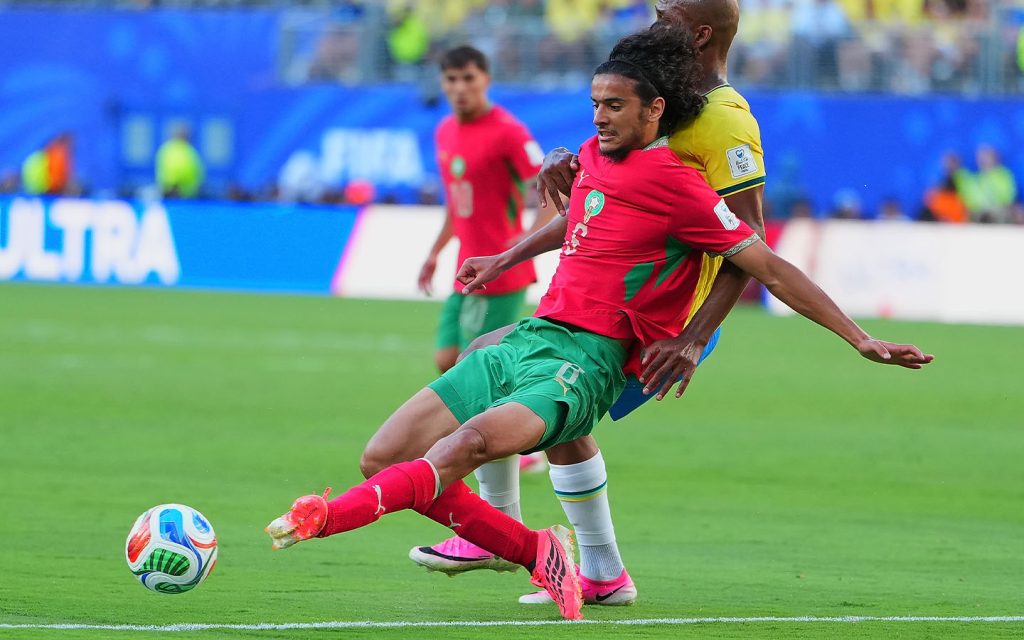
When Bouaddi made his Ligue 1 debut for Lille, he was 16 years and three days old, the youngest player in the French top flight since 1981. He has barely slowed down since, turning himself into a fixture in Lille’s midfield while still a teenager.
Among Under-21 midfielders in Europe’s top five leagues last season, he ranked third for possessions won, fifth for tackles won and sixth for completed dribbles, doing it across some 2,200 minutes of football.
In May, he chose Morocco, his parents’ country, over France, where he was born, and walked straight into the national side. He featured in all three pre-tournament friendlies as the holding midfielder behind Brahim Díaz, Ismael Saibari and Azzedine Ounahi.
He won’t be the name on the highlight reels, but if Morocco live up to their dark-horse billing, the 18-year-old screening their defence and starting their attacks will be a large part of why.
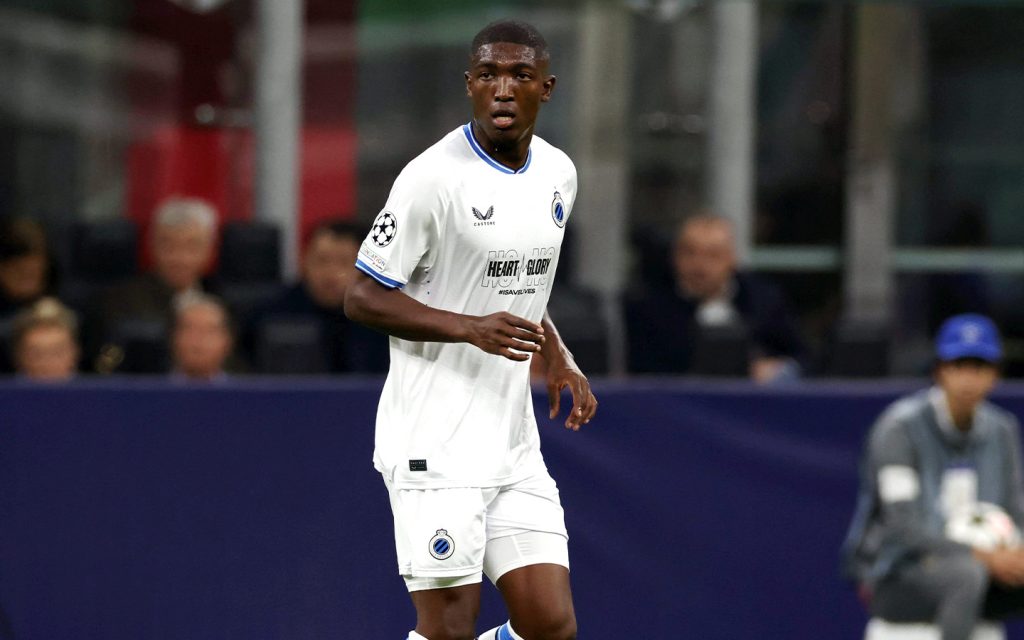
Ecuador conceded only five goals across 18 World Cup qualifiers, the joint-best defensive record in South American qualifying since the current format began, and Joel Ordóñez was at the heart of it. With him on the pitch, Ecuador conceded once in eight games – without him, four times in ten.
Comparisons to William Saliba follow Ordóñez around, and the same blend of recovery pace, composure and clean distribution earns them. In the eight qualifiers he played, only Willian Pacho recorded more defensive contributions. Across 33 games for Brugge last season, he made a single error that led to a shot, and completed roughly 95 percent of his passes in his own half.
He’s 22, already a Belgian champion, and the sort of defender who will command a serious fee before long, while plenty of fans still can’t quite place the name. Ecuador share a group with the Ivory Coast, which means a direct meeting with our No. 5 pick and a clean look at how he handles the quickest forwards.
[See more: World Cup 2026 debutants: the stories behind Cabo Verde, Curaçao, Jordan and Uzbekistan]
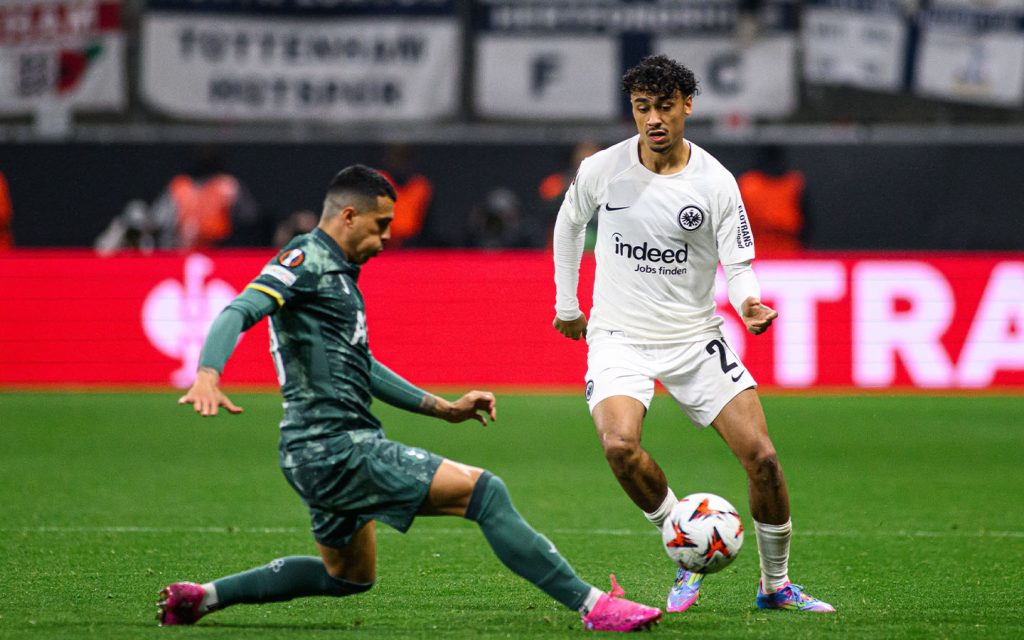
Most of Turkey’s attacking noise surrounds Juventus’ Kenan Yıldız and Real Madrid’s Arda Güler. Can Uzun is the one who might quietly start ahead of both of them up front.
At Eintracht Frankfurt last season, he had a hand in 16 goals, and his finishing stood out even more than the raw total. He scored with close to a fifth of his shots and converted four of his five clearest chances, among the most ruthless rates of any Under-21 in Europe’s leading leagues. He is, in the old-fashioned sense, a penalty-box finisher.
After debuting in early 2024 for Turkey, he managed barely half an hour of football over the next two years as coach Vincenzo Montella shuffled his options. A goal and an assist against North Macedonia in the warm-ups changed the conversation, and he’s now competing with Porto’s Deniz Gül and Fenerbahçe’s Kerem Aktürkoğlu to lead the line.
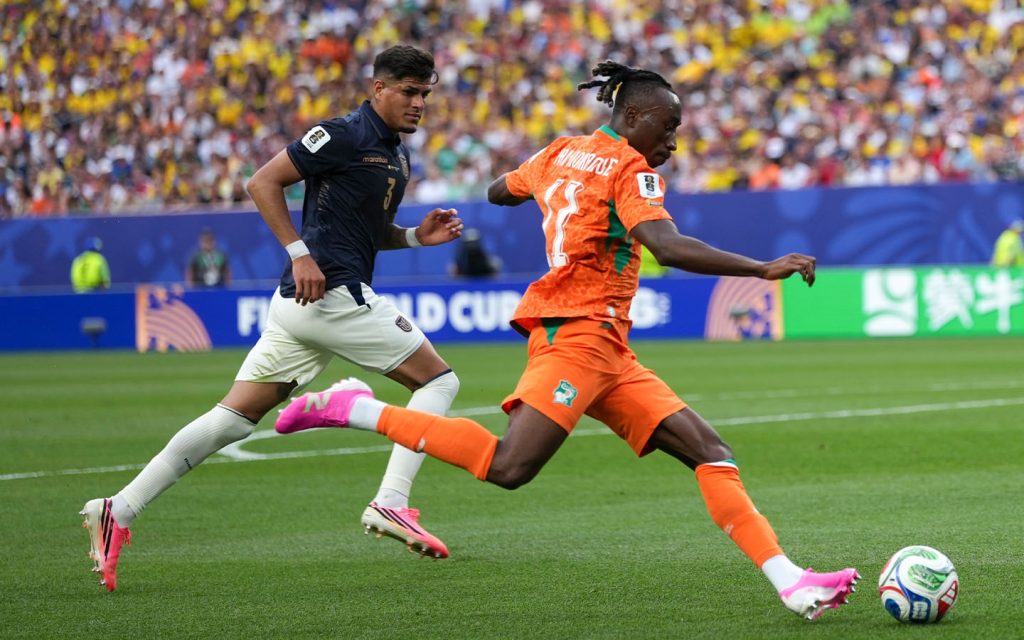
Just over a year ago, Yan Diomande’s senior career amounted to a handful of appearances for Leganés, who were relegated from LaLiga, plus trials at Chelsea and Crystal Palace that led nowhere.
Then RB Leipzig signed him, and he took off. Twelve goals and nine assists in his first Bundesliga season, the league’s Rookie of the Season award, and a dribbling count bettered only by Michael Olise across the entire German top flight. Liverpool and PSG are now competing to sign him, with Leipzig holding out for north of €130 million and Liverpool weighing him up as a successor to Mohamed Salah.
On his tournament debut, he pulled Ecuador apart and created five chances – only two Ivorians have ever set up more in a single World Cup match. Quick off the mark, direct and tough to mark, he’s the rare young winger who already finishes and creates in equal measure, and the size of that transfer fee tells you Europe’s biggest clubs have seen enough.