Inside the Greater Bay Area Sports Centre, Zaha Hadid’s fan-roofed, 60,000-seat Guangzhou stadium was built in under two years
Everything you need to know about the Greater Bay Area Sports Centre
Article by:
PUBLISHED:
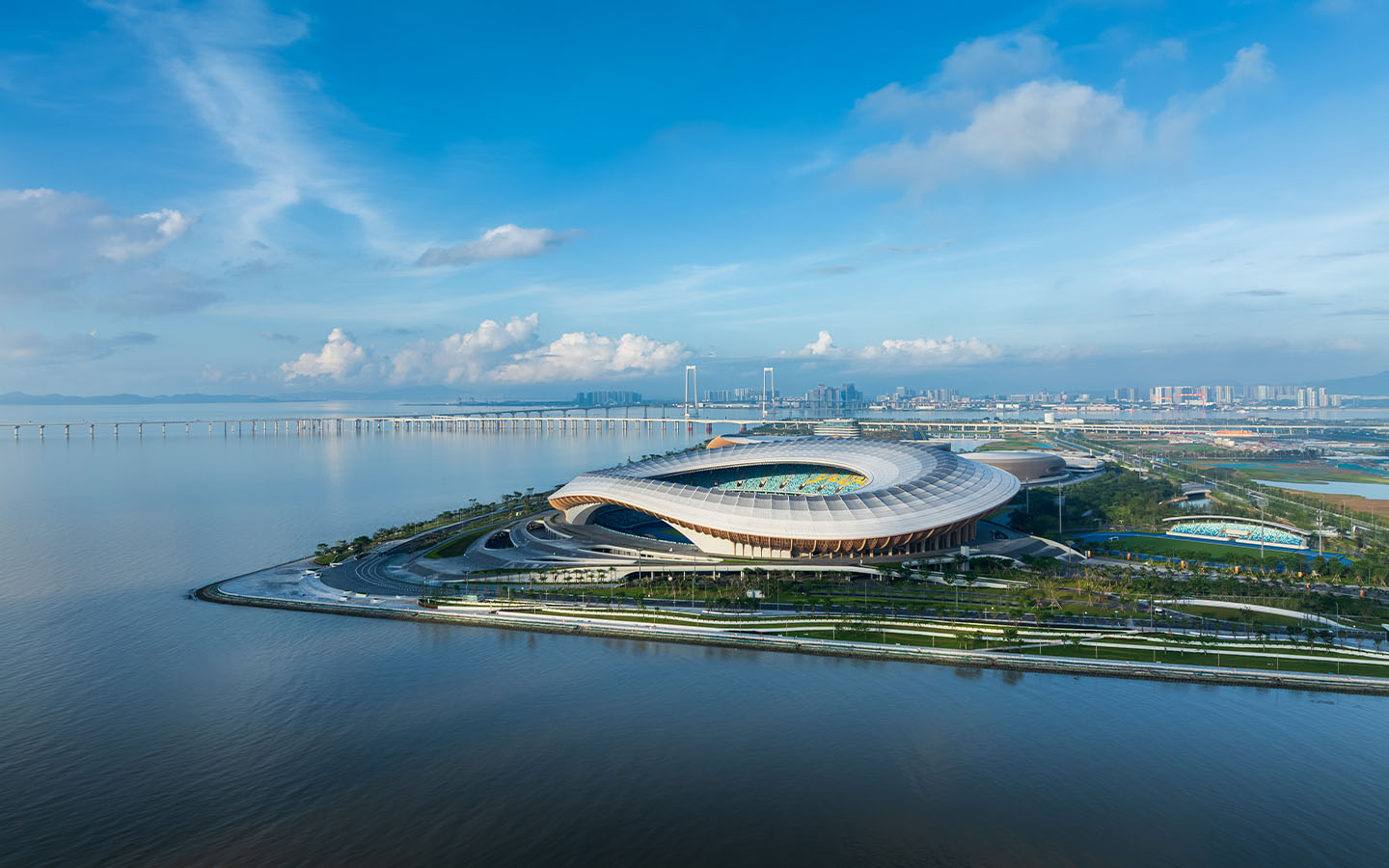
For most of the last decade, the southern tip of Guangzhou’s Nansha District was a flat, half-empty peninsula sticking out into the Pearl River estuary, about 80 kilometres from the city centre. Today, the Greater Bay Area Sports Centre holds a 60,000-seat stadium with a roof shaped like a pleated silk fan, an indoor arena for 20,000 people, an aquatics centre, and 70 hectares of riverside park. It went from groundbreaking to handover in under two years and cost close to a billion US dollars.
Neither the speed nor the location was an accident.
[See more: 5 futuristic buildings in the Greater Bay Area that don’t look real]
Why here, and why so fast
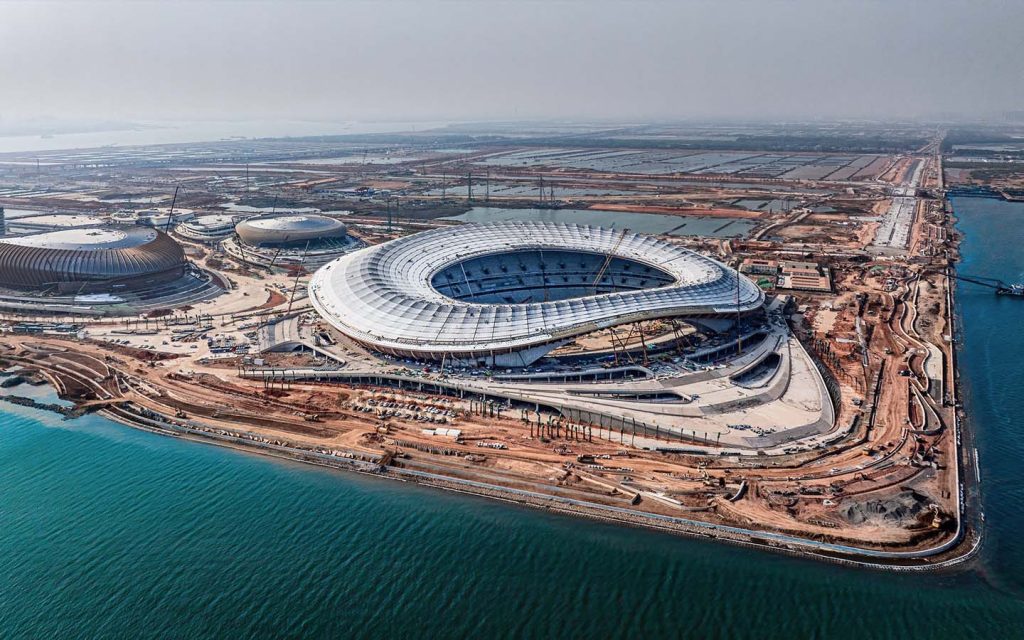
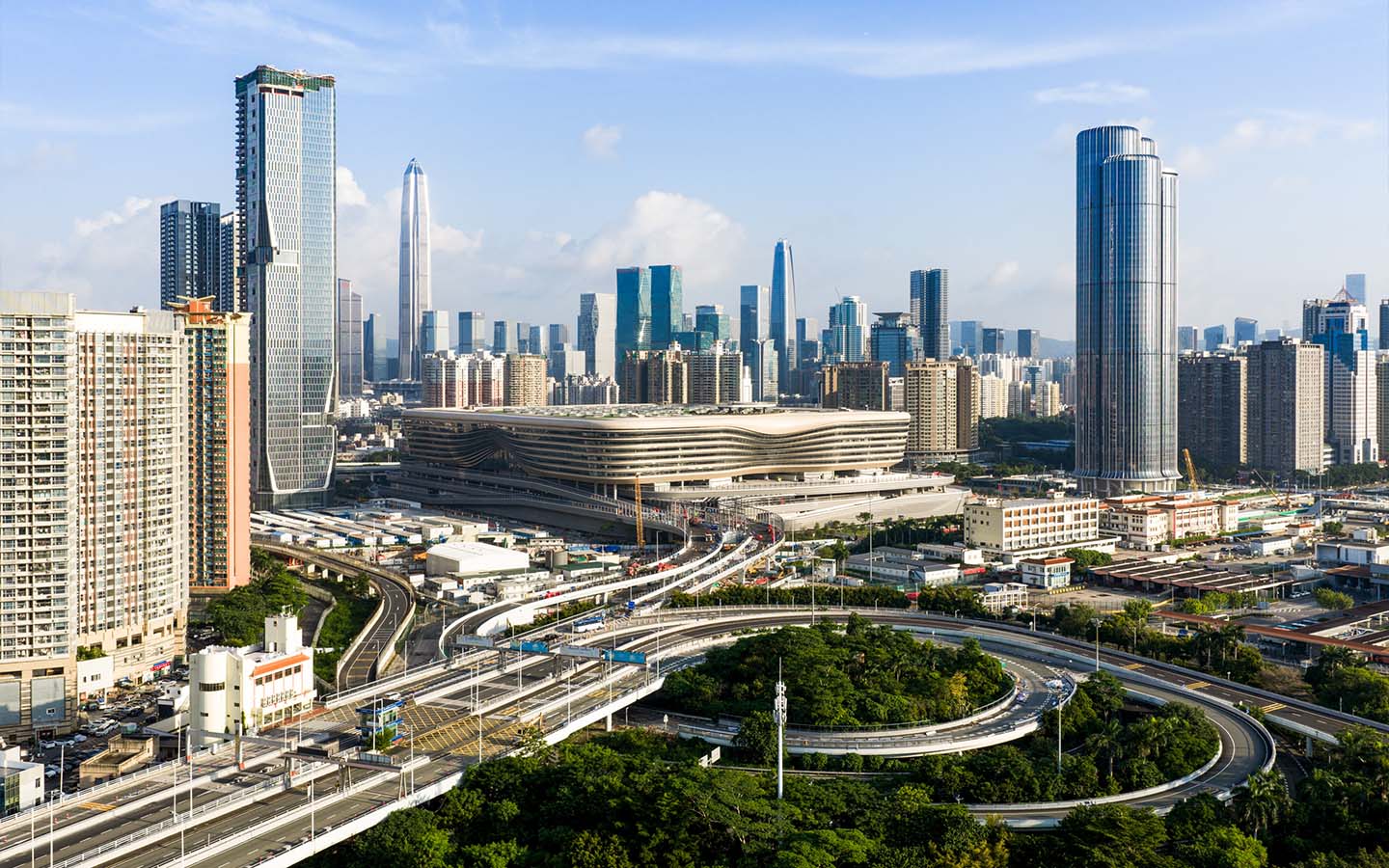
The site sits near the middle of the Greater Bay Area, the urban region linking Guangzhou, Shenzhen, Hong Kong, Macao and the rest of the Pearl River Delta – home to a projected 100 million people by 2030 and often called the world’s largest urban area. Nansha is roughly equidistant from several of the region’s biggest cities, which helps explain why a previously underdeveloped stretch of riverbank ended up with a billion-dollar sports complex.
The deadline was the 15th National Games of China, held across Guangdong, Hong Kong and Macao in November 2025 – the first time the country’s biggest multi-sport event had been co-hosted by the three together. Once that date was fixed, everything downstream had to move.
Construction began on 31 August 2023. Crews drove all 1,019 foundation piles in just 88 days, a national record for a project of this scale. The main structures topped out in early 2024, with the stadium reportedly finishing ahead of schedule, and the complex was handed over in mid-2025. The reported bill came to about 7.18 billion yuan – close to US$1 billion – covering the stadium, arena, aquatics centre and park together.
By August that year, it was already hosting football. The stadium’s first public event, a Guangdong Super League match, drew around 25,000 people to a pre-match carnival where fans took in sea views from the stands.
It had been built for the National Games, but it never got to headline them. The southern extension of Metro Line 18, the rail link meant to carry crowds to the door, ran late, and the main events were instead handed to older venues in central Guangzhou. The stadium found its own moment a month later, when Taiwanese band Mayday played six nights in December – the first time it had been configured for concerts rather than sport.
[See more: Macao to fast-track four major infrastructure projects, transport chief says]
The design of the Greater Bay Area Sports Centre
Zaha Hadid Architects won the commission through an international competition in 2023, working with the Guangdong Architectural Design & Research Institute.
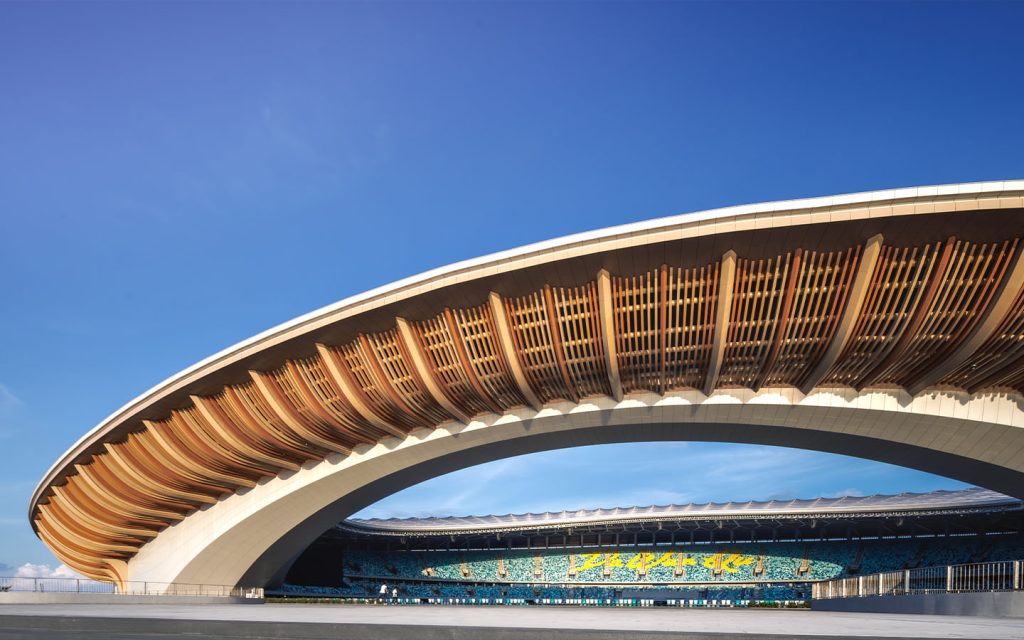
The roof is the part everyone notices first. It wraps the stadium in overlapping layers that taper and fold, referencing traditional Chinese silk fans. The design is not purely decorative: the folds shade spectators while letting warm air escape through openings in the structure – worth having in a city where summer temperatures regularly hit the mid-30s with heavy humidity.
The wider complex draws on the maritime history of the Pearl River. The tapering forms of the buildings echo the wooden trading vessels that worked these waters as far back as the Song dynasty, a thousand years ago, linking southern China with ports across Asia.
A large arch lifts the roof clear of the eastern side of the stadium, opening the seating bowl towards the Pearl River estuary. Rather than sealing the venue behind a continuous wall, the design lets air move inland from the South China Sea pass through the stands. That airflow holds down heat during events, and it keeps spectators in sight of the water throughout. Most large stadiums could sit almost anywhere; this one is tied to the waterfront beside it.
The same thinking runs through the rest of the complex. Vertical louvres wrap the buildings, shading them while helping steer prevailing winds through the public spaces. The strategy draws on Lingnan architecture, the traditional building style of southern Guangdong, which has long relied on natural ventilation and shade rather than mechanical cooling alone.
[See more: Hengqin at 5: A policy project or a genuine second home?]
More than a stadium
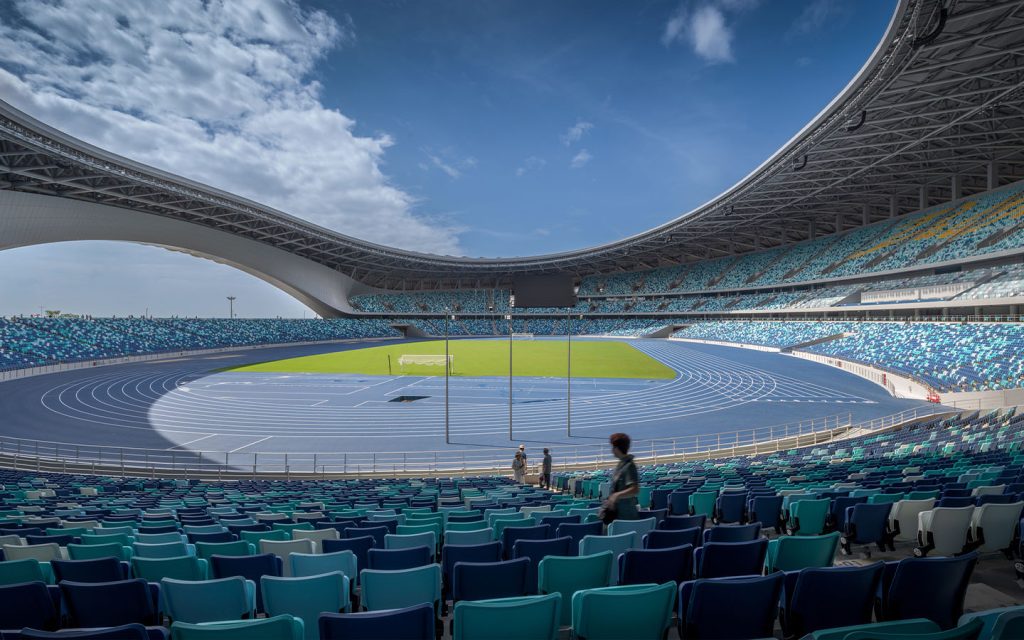
Inside, the seating can be reconfigured for athletics, football or concerts. The stadium holds a full athletics track and a hybrid grass pitch that combines natural turf with synthetic reinforcement for durability. Alongside it sit a 20,000-seat indoor arena and a 4,000-seat aquatics centre with a 50-metre competition pool and diving well.
Training grounds, athlete accommodation, community facilities and youth sports programmes are meant to keep the site busy long after the big events have moved on, and Nansha’s mild winters make year-round outdoor training possible.
Around the venues, 70 hectares of landscaped parkland tie the complex to the waterfront. The coast here sits in a subtropical monsoon climate, so the park is also a flood defence: its wetlands and water-retention areas are built to soak up storm surge and seasonal tides when the estuary rises.
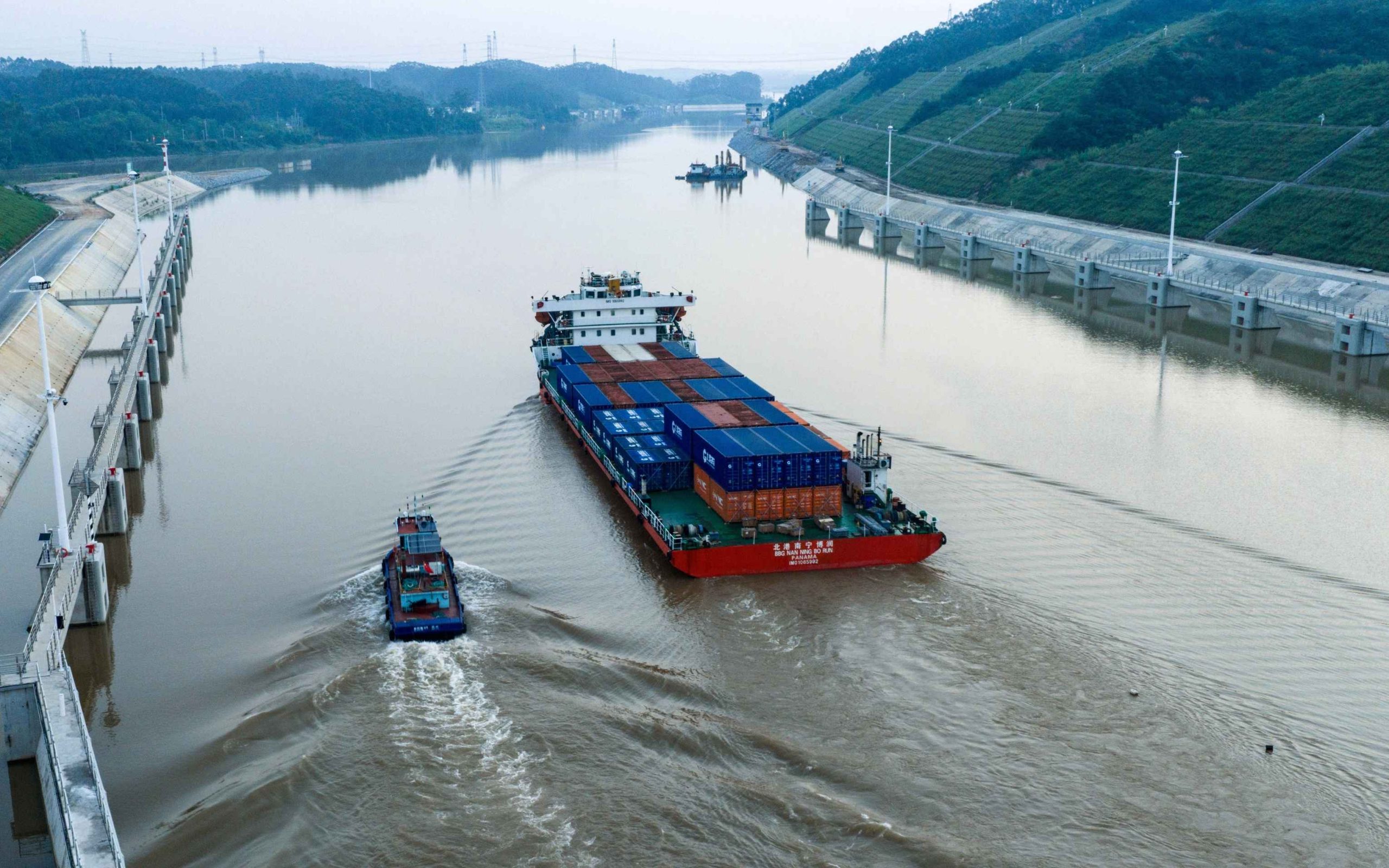
The site still feels closer to the edge of the estuary than to central Guangzhou. Container ships move through the shipping channels nearby, and much of Nansha remains a building site. The sports centre arrives as part of that transformation, not at its end.
Getting there still leans on the new Shenzhen-Zhongshan Link, the 24-kilometre estuary crossing that opened in 2024 and pulled a far larger regional population within reach. The southern extension of Metro Line 18 is meant to bring rail to the door; until it does, the centre’s transport promise is only part-delivered.
What happens next falls to China Resources Culture & Sports Development, the state-owned operator now running the venue, and to a district that spent the past year turning itself into a concert-and-festival magnet. The stadium was built for the National Games, but it never headlined them. Whether schools, clubs, touring acts and regional events fill it often enough to justify the scale is something only the next decade will settle, on a stretch of estuary that sat close to empty until a few years ago.
UPDATED: 19 Jun 2026, 1:00 pm