Official data reveals a significant contraction in traditional Chinese restaurants, prompting calls for government support to preserve the city’s culinary heritage
Hong Kong’s Cantonese restaurants hit hard by changing consumer tastes
Article by:
PUBLISHED:
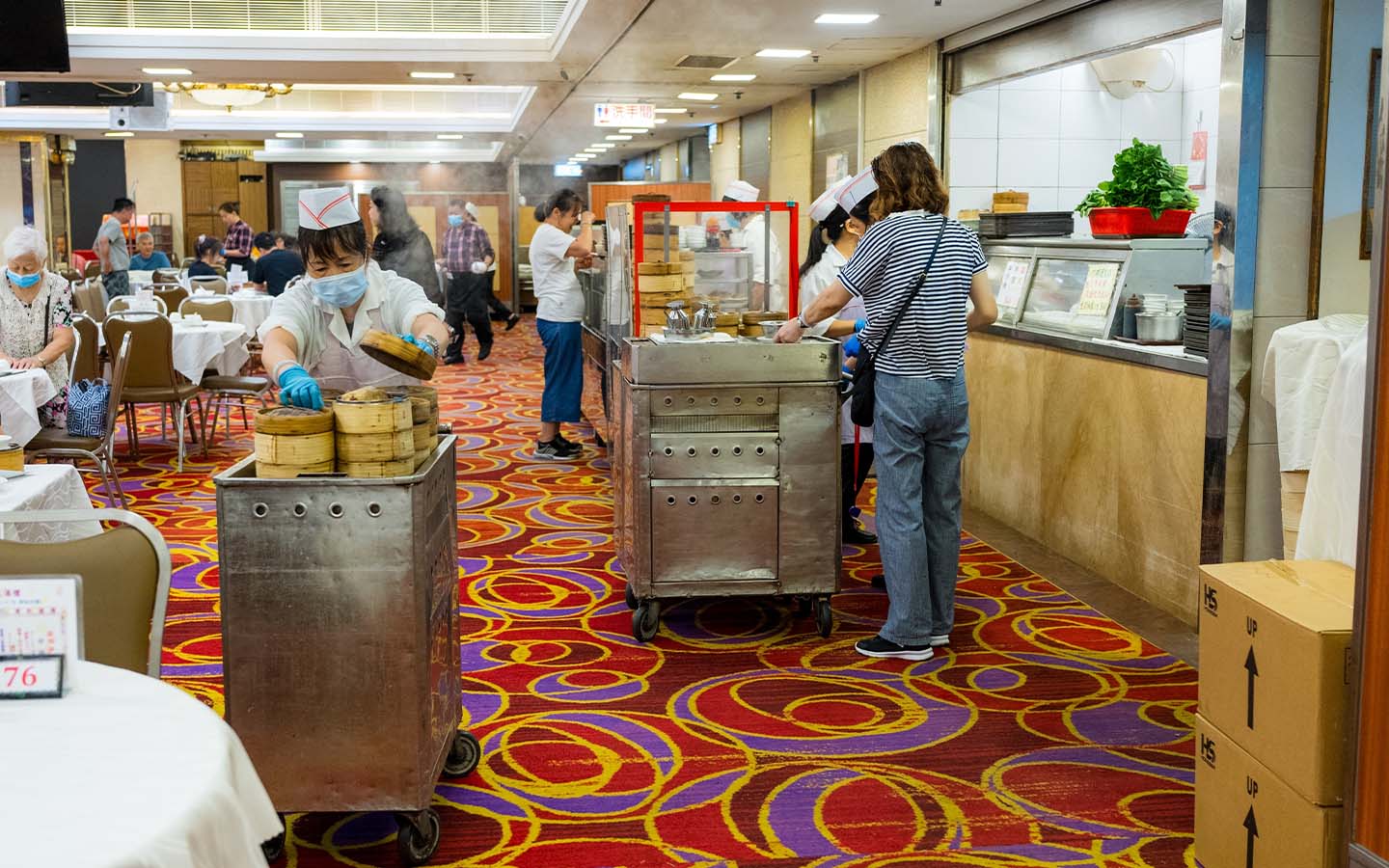
Hong Kong’s traditional Chinese restaurant sector is shrinking sharply, with new data showing fewer outlets and steep revenue declines even as non‑Chinese dining businesses grow. The trend has been documented in multiple media reports.
A Legislative Council research report found that the number of Chinese restaurants fell from 4,902 in 2018 to 4,470 in 2023, a drop of about 9 per cent. Within that, Cantonese restaurants and large banquet halls recorded a 16 per cent decline, while casual eateries, known as cha chaan teng, fell 7 per cent, and bars, lounges and herbal tea shops saw reductions of more than 20 per cent.
Earnings have fallen rapidly. Chinese restaurant receipts in the first quarter slipped 27.9 per cent, from HK$13.44 billion in 2018 to HK$9.7 billion in 2026, according to official data. Over the same period, non‑Chinese restaurants saw a 10.9 per cent increase in takings, highlighting a clear shift in dining patterns. Total catering revenue remains about 7.2 per cent below pre‑pandemic levels, the legislature’s study noted.
Researchers said the trends reflect a local move towards more casual, flexible dining and the growing popularity of non‑Chinese fare, from fast‑casual concepts to international chains. Industry representatives also point to the surge in cross‑border consumption, as residents travel to Shenzhen and other mainland cities for cheaper or trendier options, eroding the customer base for local Cantonese eateries.
[See more: Michelin Guide 2026: These are the Hong Kong and Macao restaurants awarded Michelin Stars]
Operators of long‑standing restaurants have reported weaker banquet business, fewer late‑night diners and more cautious spending, amid broader economic pressures and emigration of some higher‑spending residents.
In response, sector leaders and lawmakers are urging the government to support legacy brands and help Hong Kong export its food culture. Suggestions include targeted relief or promotion for long‑established restaurants, campaigns to highlight Cantonese cuisine to visitors, and stronger backing for operators looking to expand into mainland or overseas markets.
One veteran restaurateur warned that if Guangdong‑style restaurants fail to innovate and adapt, the market will continue to shrink, and both residents and tourists may regret the loss of familiar dining institutions. The Legislative Council study similarly flagged concerns about the erosion of traditional dining choices and the competitiveness of some local dishes, calling for policies that balance modernisation with preservation of Hong Kong’s culinary heritage.