‘French is everything I’ve learned, Chinese is everything I am’ – the VEA and Wing chef on fish maw, showmanship and opening Estuary at Capella at Galaxy Macau
Article by:
PUBLISHED:
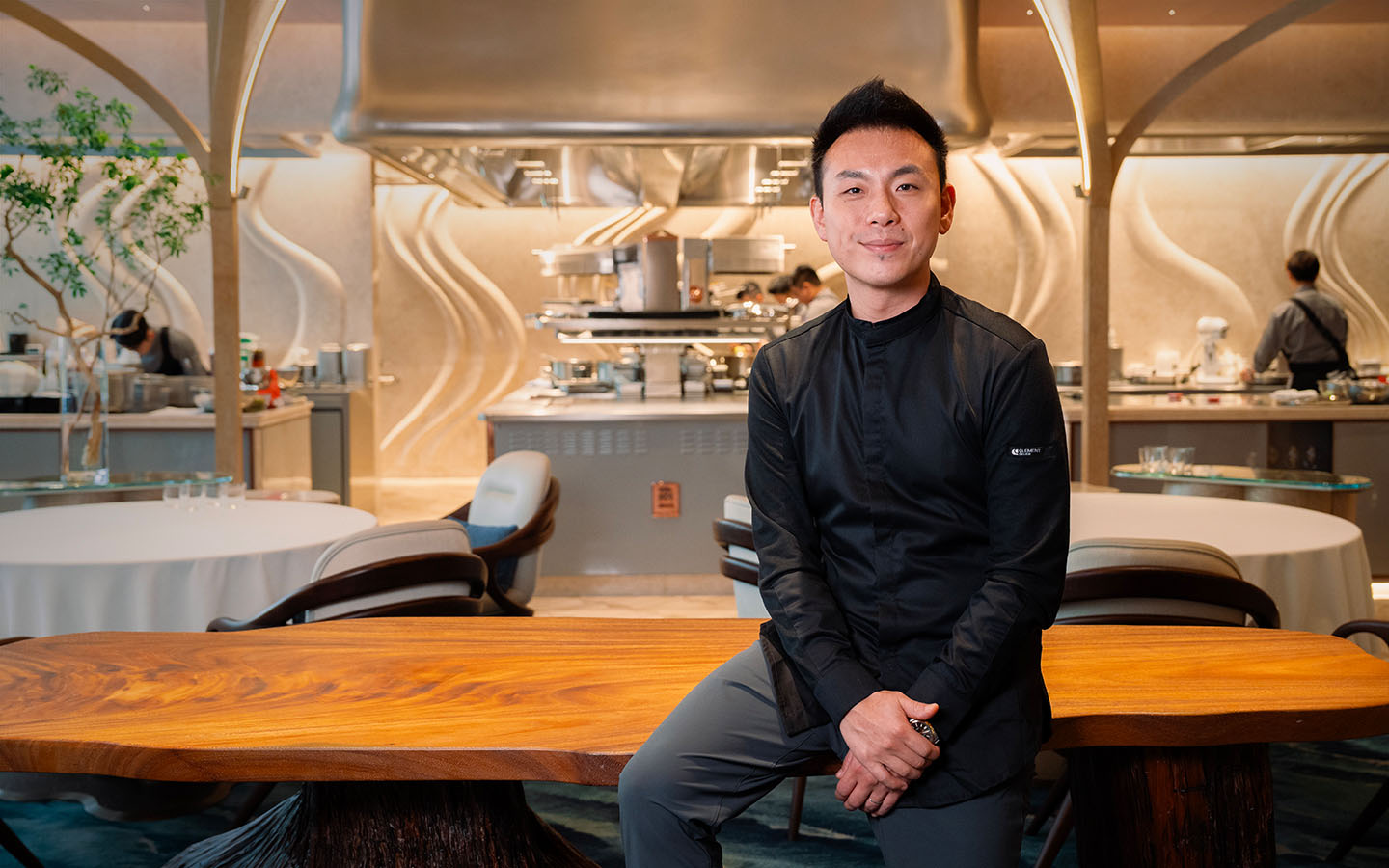
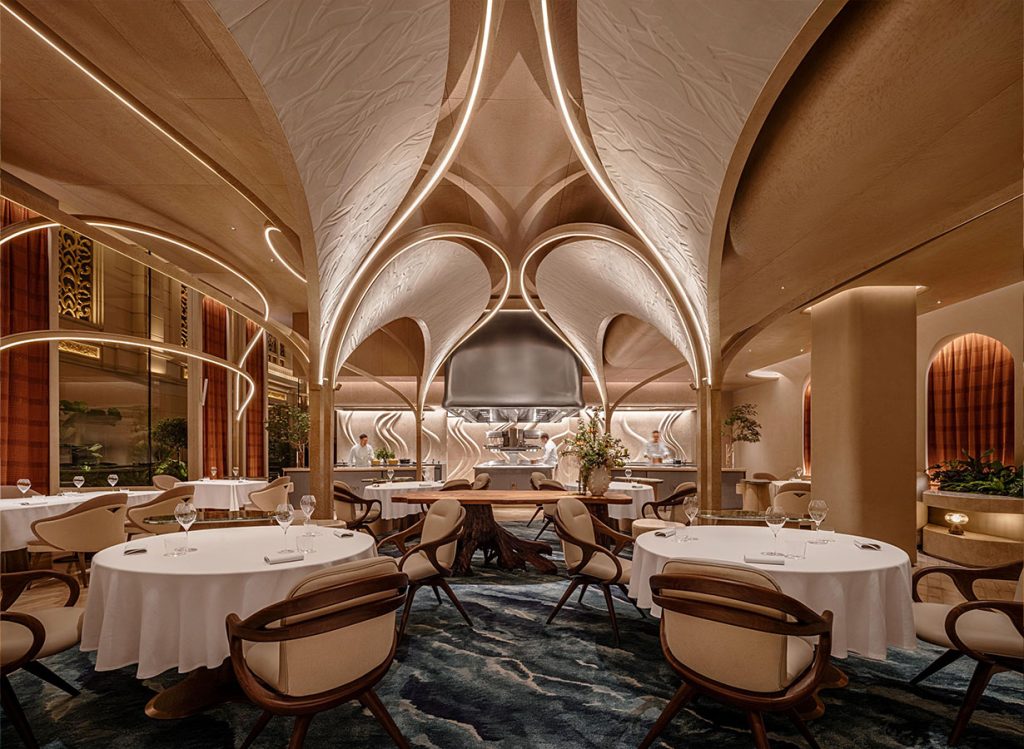
Vicky Cheng trained in classical French kitchens, then spent a decade in Hong Kong turning Chinese ingredients into French plates: first at his Michelin-starred VEA, then at Wing, currently No. 2 on Asia’s 50 Best Restaurants list. On 29 May, he opened Estuary at Capella at Galaxy Macau, his first fully French restaurant: a domed, Art Nouveau-inspired dining room entered through a towering 5.7-metre ash-wood door and built around an open kitchen, lit from above by a water-like glass installation by Czech manufacturer Lasvit.
We met in the mid afternoon, hours before the first dinner guests, and yet the kitchen was already humming – a low percussion of knives, pans and whispered instructions. To that soundtrack, we talked fish maw, showmanship and why Cheng swapped cream for collagen.
About 25 years, though not with Capella; that conversation came much later. Those classical French kitchens were the only ones I ever trained in. When Galaxy Macau and I did sit down, the brief was simple: Macao already had plenty of very good Chinese restaurants, so they wanted French, but cooked by an Asian chef. So this feels like a full circle.
I’ve been a guest at Capellas around the world for years. They’re luxurious but personal, with a bit of nature in them. We’d spent a long time wondering where Estuary should go, and when Capella came up it made sense straight away. Two brands that suit each other.
Slowly. In Hong Kong I can open and fix the small things day by day, because I’m there. Here I can’t, so we gave ourselves nearly two months of trials, soft openings and role plays before the grand opening, and pushed the date back a few times rather than open half-ready. It helps that my executive chef, Harvey Hsieh, has cooked with me in Hong Kong for years and leads the kitchen here when I’m across the water. The menu never changed the whole way through.
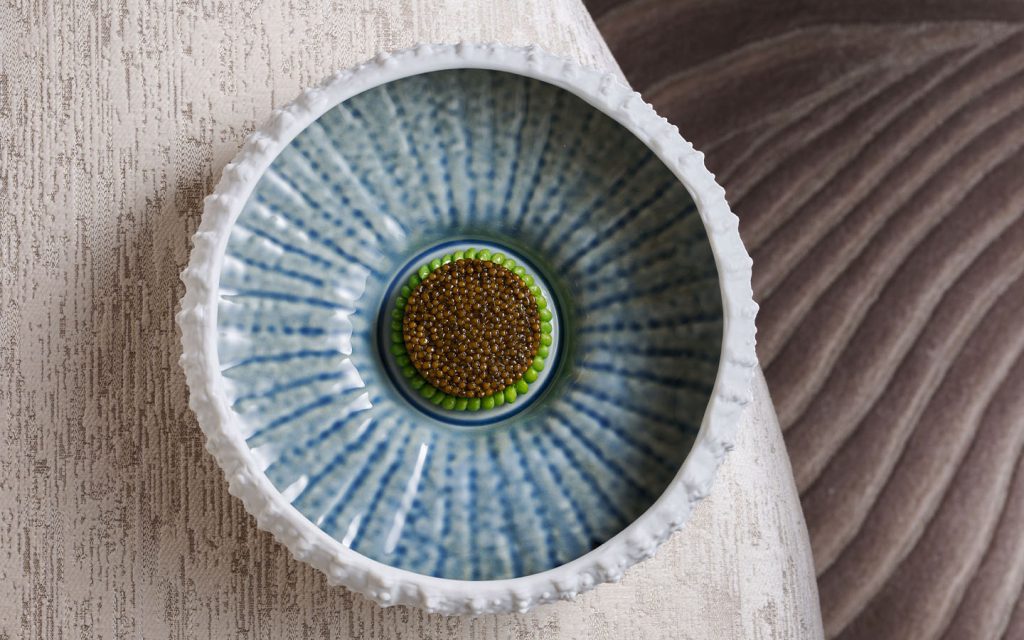
No, and I wouldn’t. People here and in Hong Kong aren’t that different, and I’m not going to cook to a stereotype. What I will say is that Asians love a French restaurant; it’s a treat, and part of that treat is the butter, the cream, the richness. We didn’t want to lean on all that, but we still wanted the velvety mouthfeel. So we get it from collagen instead: reduced stocks and a lot of fish, emulsified until it behaves like a cream sauce. It’s a very Chinese technique, but on the plate it reads as French.
The theatre of it. Trolleys, tableside service, herbs muddled at the table for your tea. That kind of thing takes time and shows a bit of craft, and my kitchen in Hong Kong never had the room for it. The catch is that it still has to move. This is Macao. People want to see the city, and there’s plenty waiting to pull them back into the resort afterwards. So we give you the full experience without keeping you at the table for four hours.
Very. We’ve worked with J Candice on nearly all my Hong Kong restaurants, so she knew the language. The one thing we settled on before anyone drew a line was the open kitchen: not a counter like Hong Kong, but a room where guests feel like they’re sitting inside it, the way friends do when I cook at home. The first thing we bought was the Molteni stove, and the whole dining room went up around it, under that domed ceiling.
The barbecued fish maw. It’s my favourite ingredient in the world, and really it’s just a dried fish swim bladder. It comes from all over, almost never from China, yet only Chinese cooking ever treasured it, usually braised or in soup. I kept wondering what would happen if we grilled it. So we bloom it, braise it, rub it with black garlic and cook it over charcoal, then serve it with cordyceps and ginkgo. It comes out smoky and sweet, with a crisp edge you’d never expect from fish maw.
(Laughs) Most mornings, yes. I love it, so I keep asking how else it could be cooked. Take that same grilled dish, put everything in a bowl with Chinese master stock and double-boil it, and you’d have a wonderful soup. But a clear Chinese soup like that isn’t easy for a guest from France or America to read. Grill it, and everyone understands smoke and caramelisation. That’s the point.
Humbly, there were a few moments like that. But the real turning point was deciding to cook Chinese-French at all, which became VEA. There was no template; there wasn’t one successful Chinese-French restaurant in Hong Kong at the time. It came naturally, though, because French is everything I’ve learned and Chinese is everything I am. I’m not here to be named best chef, or to top a ranking. What I want is to take flavours that are so historically Chinese and make them easy to understand anywhere.
(Grins) That one’s for next time.
UPDATED: 24 Aug 2026, 6:55 pm