The upcoming exchange conference in Guangzhou aims to leverage regional complementarity in new energy, artificial intelligence, and manufacturing.
Guangdong-ASEAN synergy comes under spotlight
Article by:
PUBLISHED:
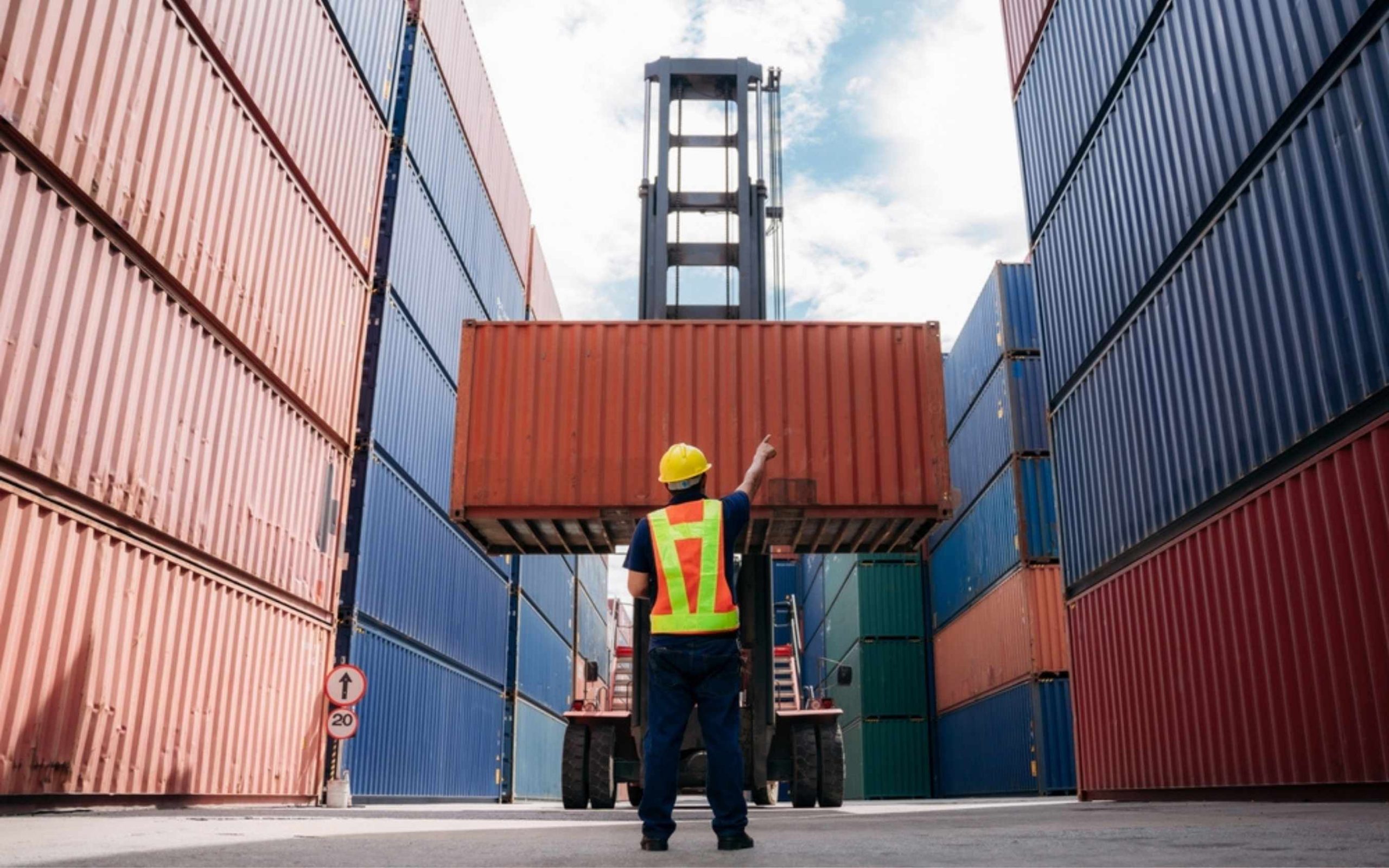
Guangzhou is set to host the 2026 ASEAN-China (Guangdong) Trade Promotion and Supply Chain Cooperation Mechanism Exchange Conference next week, an event designed to deepen industrial alignment between the province and Southeast Asian nations and foster greater Guangdong-ASEAN synergy.
The conference, which will take place from Wednesday to Thursday, is expected to attract over 1,000 delegates, including government officials, academics, and industry leaders. For this year’s gathering, the ASEAN-China Centre – an intergovernmental body – has joined the event as a co-organiser.
[See more: Guangzhou targets ASEAN markets with major year-long trade drive]
Yao Xinmin, vice-chairman of the China Council for the Promotion of International Trade (CCPIT) Guangdong Committee, indicated that discussions on Guangdong-ASEAN synergy will centre on artificial intelligence-driven industrial upgrading, the coordination of supply chains, and cooperation within the new energy sector.
Guangdong-ASEAN synergy: benefits
Highlighting the industrial connections between the two regions, Ou Shaobin, deputy director of the trade, investment promotion and development research department of the CCPIT Guangdong Committee, described a complementary model based on mutual strengths. According to Ou, Guangdong provides mature supply chains and manufacturing capacity in areas such as photovoltaic power, wind power, energy storage, hydrogen energy, and new energy vehicles.
Conversely, ASEAN nations offer upstream resource advantages, including supplies of bauxite and nickel ore, while representing a substantial market for Guangdong’s energy storage systems, electric two-wheelers, and photovoltaic infrastructure.
Ou characterised Guangdong-ASEAN synergy as a sound model of “Guangdong manufacturing plus ASEAN resources” and “Guangdong technologies paired with ASEAN markets.”