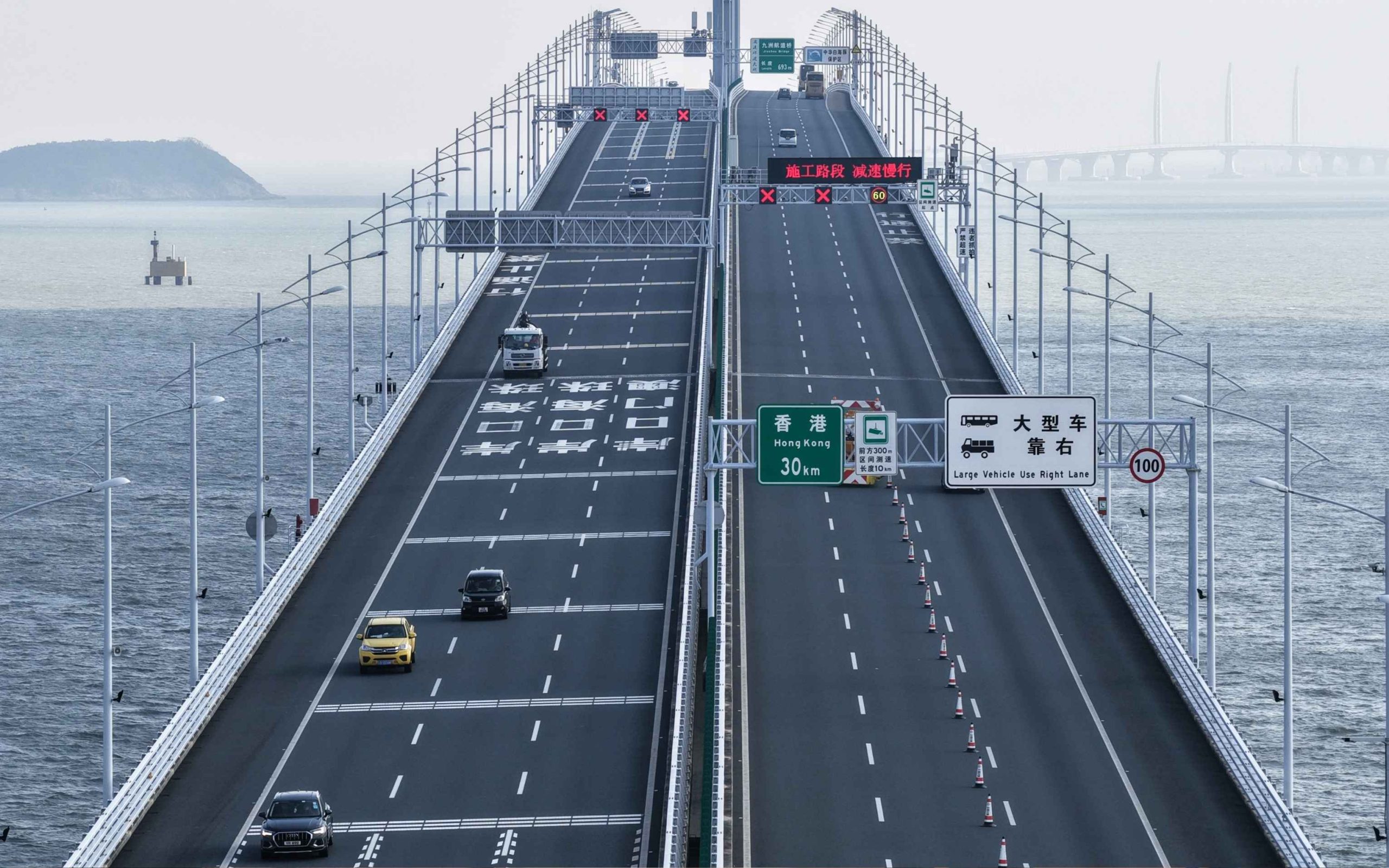
The government says the new cross-border travel policy in Hengqin will be implemented when the preparatory work has been completed
Macao vehicles may soon be able to travel throughout Guangdong
Article by:
PUBLISHED:
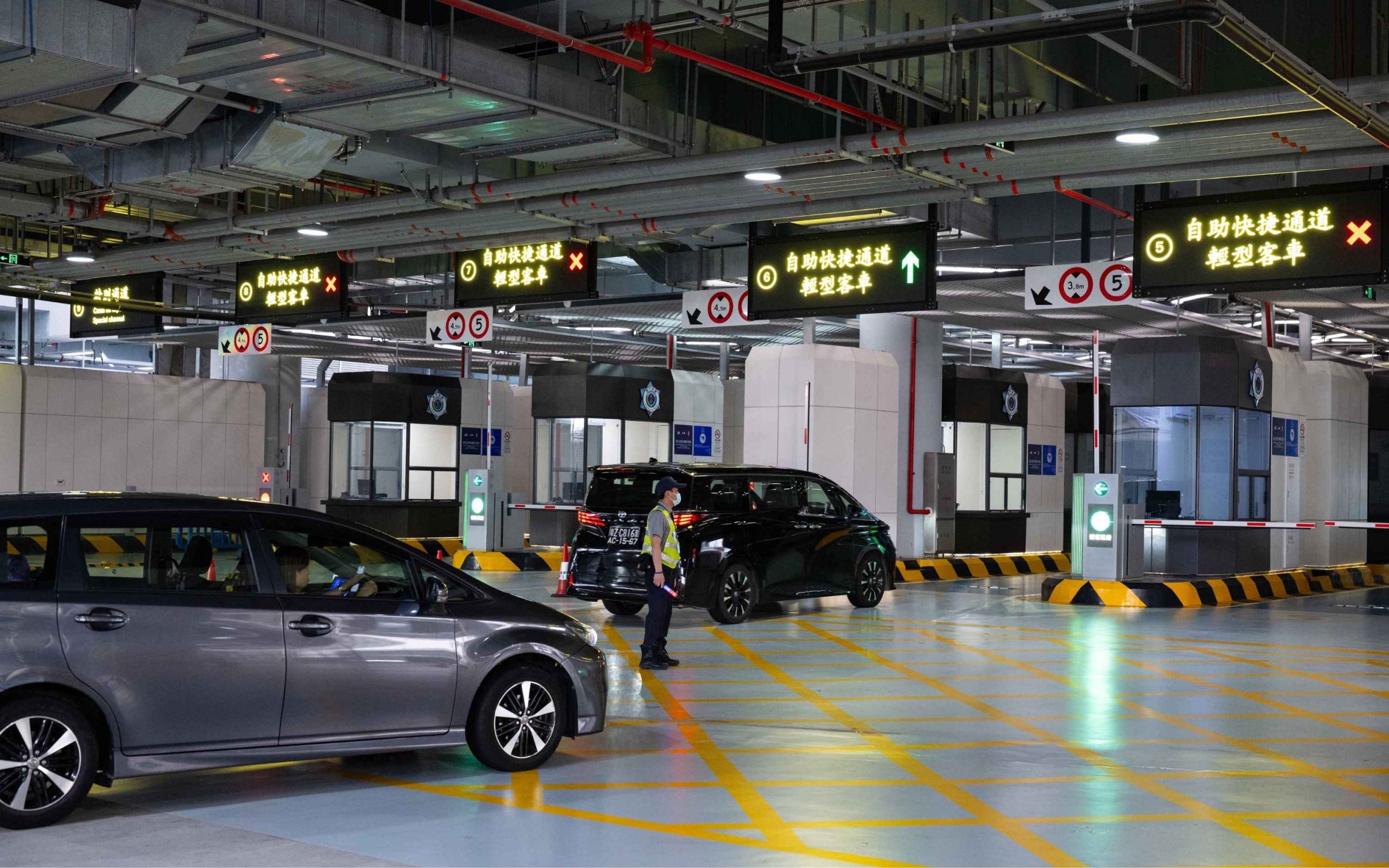
Macao-licensed vehicles registered to drive in Hengqin under the single-plate scheme could be allowed to enter the rest of Guangdong before the end of 2026, the Legislative Assembly’s Follow-Up Committee on Public Administration Affairs revealed on 6 August.
In comments cited by local media, the committee stated that the much-anticipated policy, known as the northbound vehicles scheme, would enable single-plate vehicles from Macao approved for travel to Hengqin to access other parts of Guangdong via the island.
According to committee chairman, Ma Chi Seng, the authorities plan to employ a booking system in the preliminary phase to manage the flow of Macao-licensed vehicles and to ensure their orderly passage through Hengqin Port.
Ma said the reservation system quota and timeline for the policy’s implementation had yet to be decided.
Why has the new policy for Macao-licensed vehicles taken so long?
Originally, the SAR government had been aiming to roll out the northbound travel policy for Macao single-plate vehicles in Hengqin in the first half of 2026, after China’s State Council endorsed a bond exemption for the policy in March 2026.
At the time, the council explained that the initiative would help to foster greater integration between Macao, Hengqin and the Greater Bay Area (GBA). Once implemented, the Hengqin route gives Macao-licensed vehicles a second channel to enter Guangdong, beside the current Hong Kong-Zhuhai-Macao Bridge scheme for eligible cars.
The government’s rollout target, however, fell through. In a written reply to lawmaker Lei Leong Wong on 22 July, the office of the secretary for security in Macao explained the delay was due to the fact that “the policy’s implementation involves multiple authorities in both Guangdong and Macao.”
[See more: Hengqin at 5: A policy project or a genuine second home?]
It noted that various preparatory arrangements had to be carried out as well, including public consultation and assessment of the policy by the Guangdong authorities.
Meanwhile, the authorities have been working on upgrading the crossing facilities prior to the policy’s implementation.
“Once the preparatory work is complete, the new initiative can be issued and implemented,” the office stated. It mentioned that relevant policy details such as the application guidelines, document requirements, the stay limits and quotas would be announced at the same time as the policy’s introduction.
What else can be done to improve Macao-Hengqin border crossings?
In order to further streamline crossings between Macao and Hengqin for Macao-licensed vehicles, the follow-up committee outlined a number of suggestions for Hengqin Port.
These included trialling contactless clearance methods, improving smart crossing for vehicle passengers, and adding more parking lots. Authorities are also keen to fast-track the “hard connectivity” between Macao and Hengqin’s railway networks.
Individual border crossings via Hengqin Port have risen noticeably in recent years, with Macao law enforcement noting that 2026 crossings had exceeded the 20-million mark as of 24 July, up 28 percent year-on-year. A daily average of 12,000 vehicles passed through the port in the first half of 2026, a rise of 41 percent year-on-year.