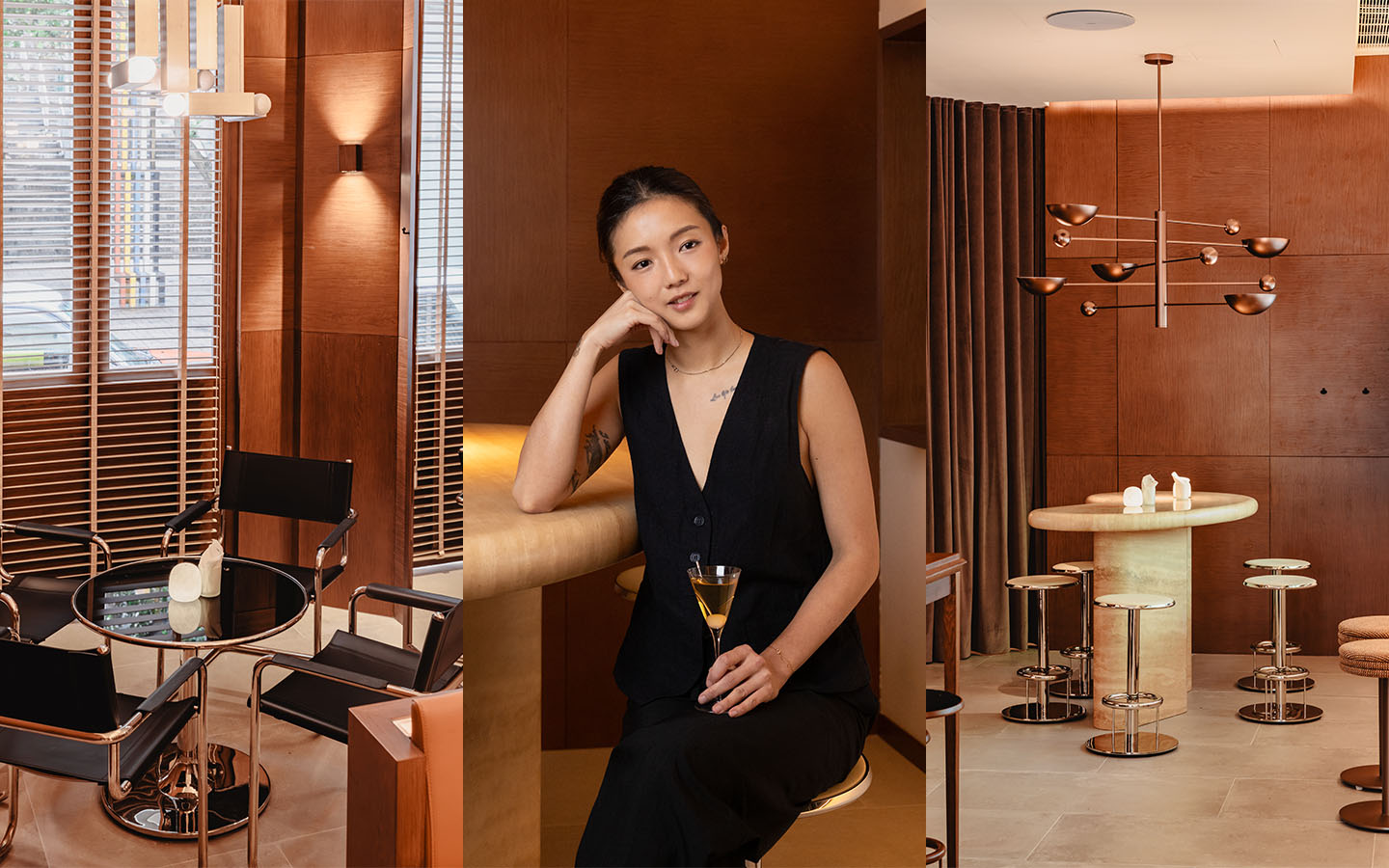
From the historic neighbourhood of Dongshankou to Asia’s No.1, Hope & Sesame’s decade-long journey has seen it preserve Cantonese identity while redefining Chinese bar culture.
The bittersweet journey to Asia’s No.1: How Hope & Sesame built more than a bar
Article by:
PUBLISHED:
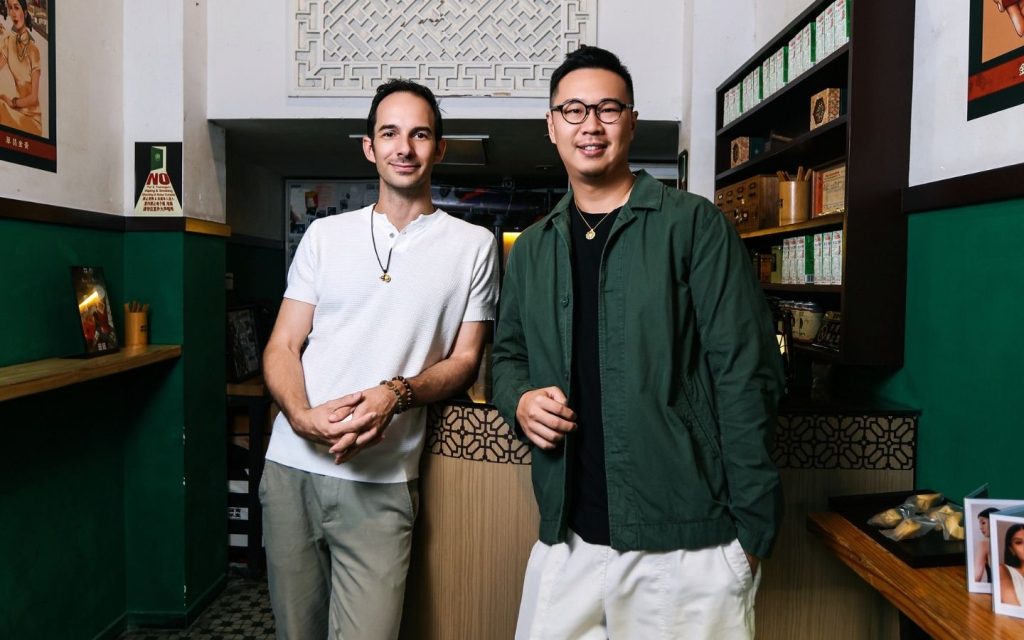
“Ten years ago, I never imagined Hope & Sesame would become Asia’s No.1 bar,” says Andrew Ho, co-founder of Hope & Sesame.
For him, rankings were never the reason he opened the bar. “That kind of end goal isn’t necessarily what every bar owner sets out to achieve,” he tells The Bay. “Even in Guangzhou alone, there are already many outstanding bars.”
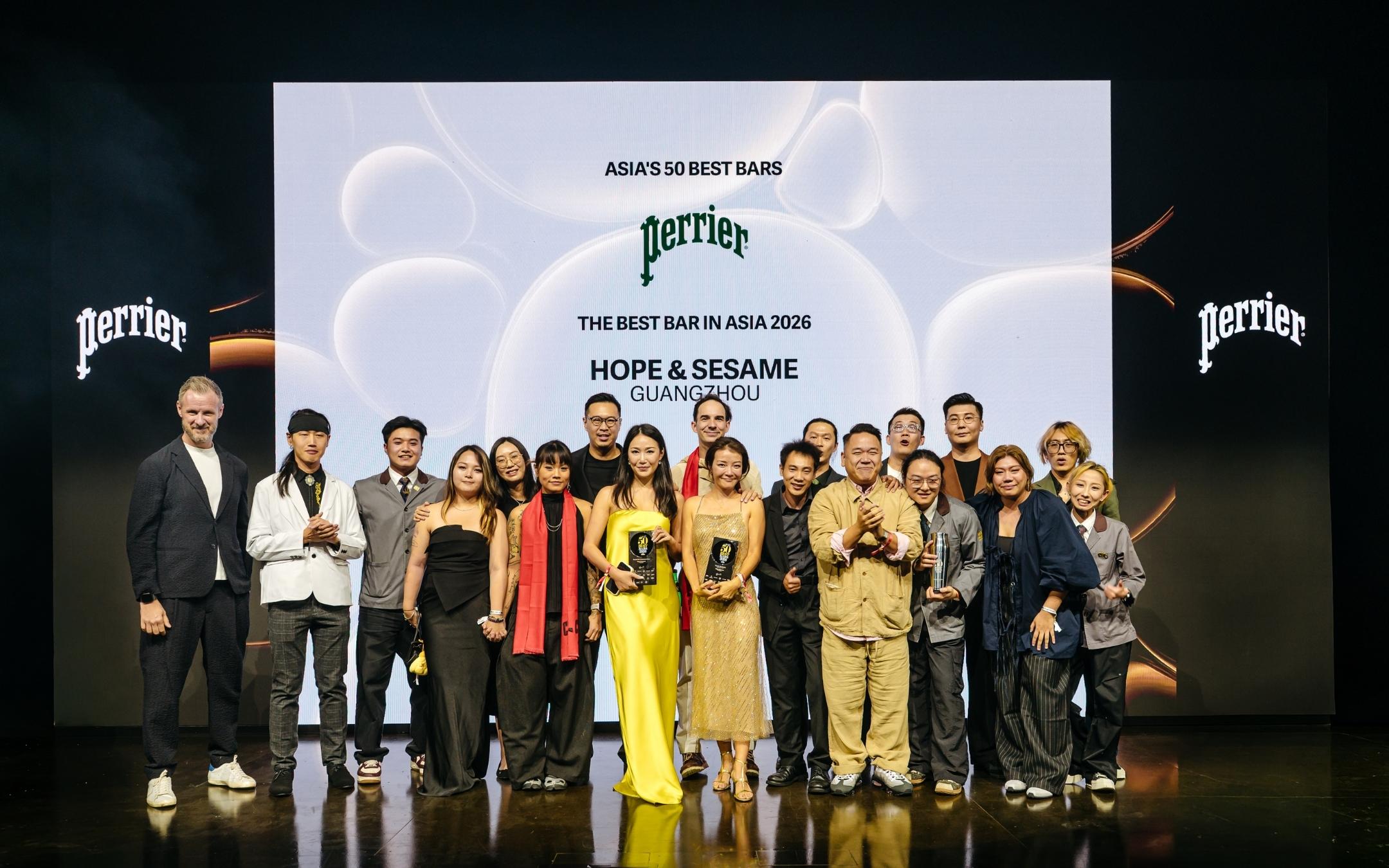
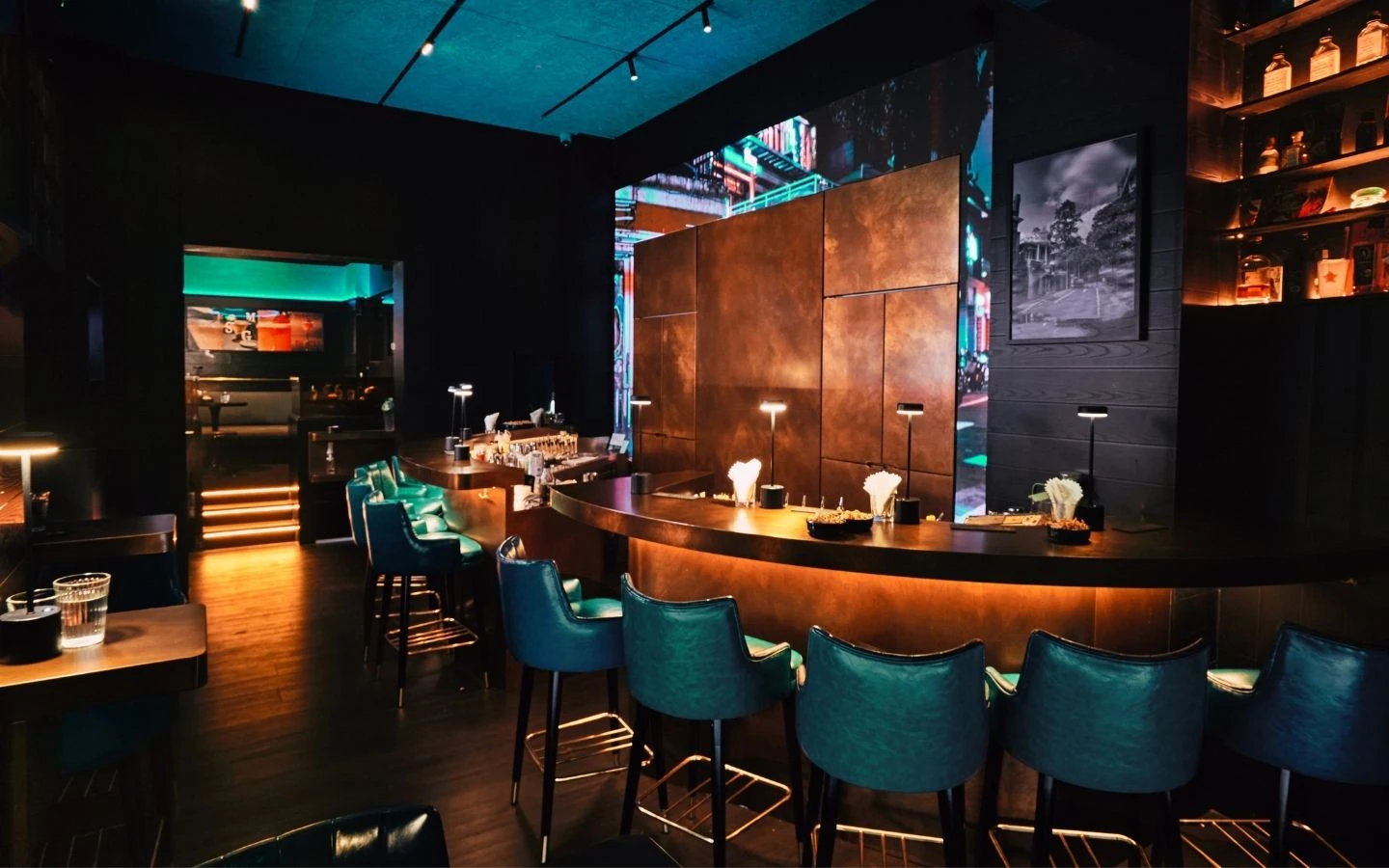
Over the past decade, China’s bar scene has evolved significantly – and 2026 marked a defining moment. Hope & Sesame, a speakeasy-style cocktail bar from Guangzhou’s Dongshankou district, was named Asia’s No.1 bar by Asia’s 50 Best Bars, becoming the first bar from mainland China to take the top spot in the rankings in the past decade.
The win also placed the spotlight on the Greater Bay Area, with 11 bars from the region making this year’s list and highlighting the growing recognition of Southern China’s cocktail scene. From a historic neighbourhood in Dongshankou to Asia’s No.1, Hope & Sesame’s decade-long journey represents more than a rise in rankings – it reflects how a local bar can preserve Cantonese identity while shaping a new chapter for the local industry.
Hope & Sesame was born from an unexpected turn. Ho and his partner Bastien Ciocca originally planned to open a restaurant – and they found a space that they loved in Guangzhou’s Dongshankou neighbourhood, but it could not accommodate a full kitchen. So instead, they created a bar.
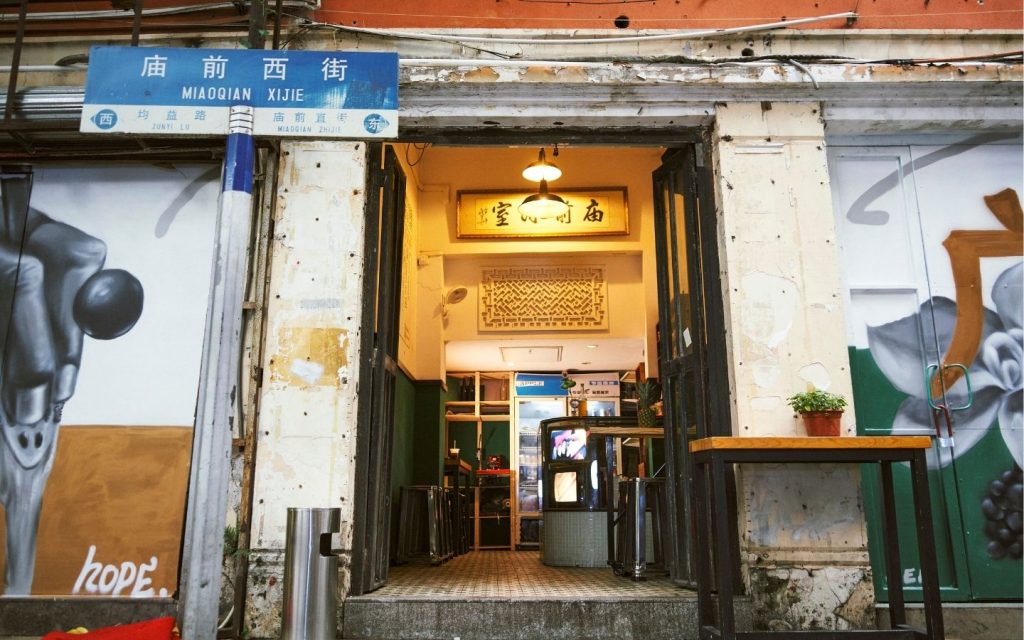
“This used to be a neighbourhood known for its schools,” Ho recalls. “A few well-known schools nearby attracted many families who moved here for their children’s education. Back then, the area was full of small shops selling everything from fruit to old ladies’ underwear.”
A decade ago, Dongshankou had yet to become Guangzhou’s creative destination. Today, as independent boutiques and lifestyle brands move in, the historic district has found a new identity – one where old and new exist side by side. Looking back on the changes, Ho says: “I feel very lucky to have witnessed the transformation of this area into a stylish neighbourhood full of life and possibilities – although I’m less happy about the rising rents.”
From bitter to sweet: A decade of perseverance that led to Asia’s No.1 slot
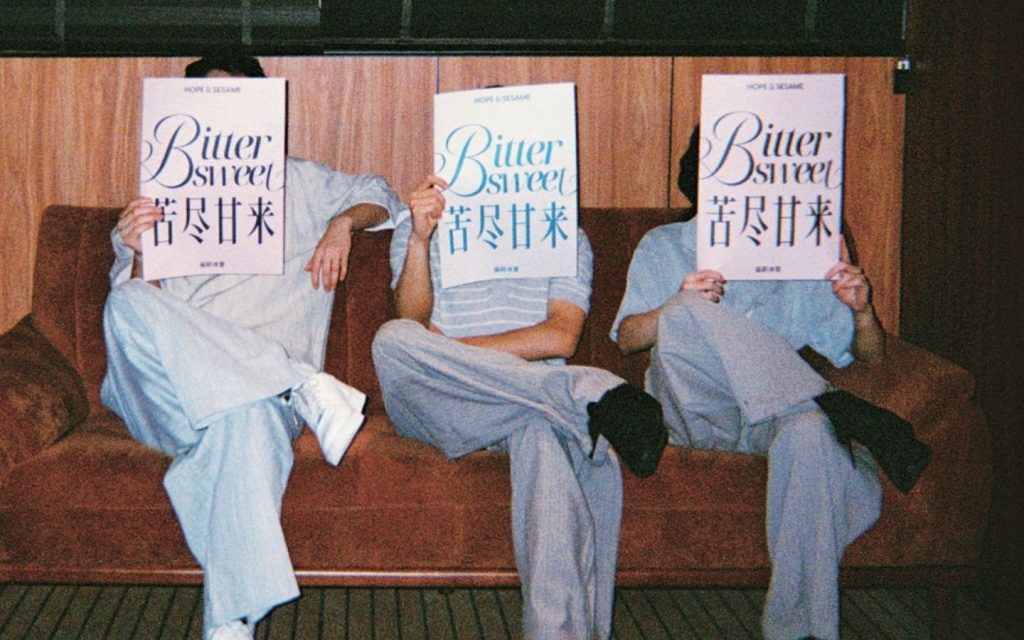
Hope & Sesame’s latest menu, Bittersweet (苦盡甘來), was born from a story of perseverance. Yet even Ho never imagined that the sweetness at the end of that journey would come in the form of being named Asia’s No.1 bar. Since opening, the team has experienced uncertainty, change and growth, while remaining focused on the curiosity and creativity that shaped the bar from the beginning.
The pandemic was one of the bar’s biggest tests. Ho believes the experience reaffirmed the approach he and Ciocca had taken: running the bar independently without external investors, allowing them to remain flexible during uncertain times.
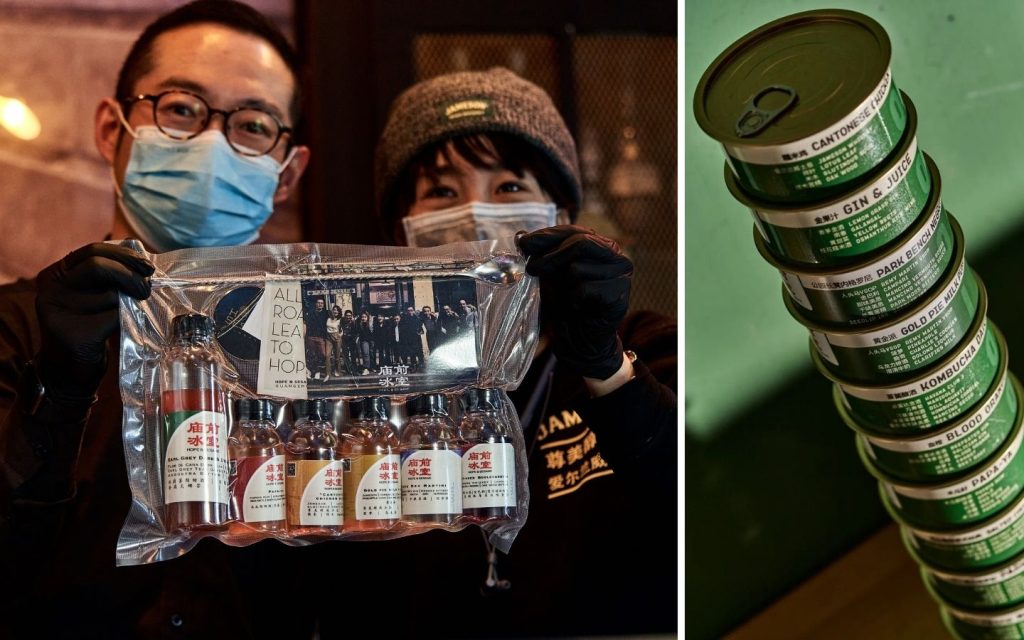
“When we knew the bar couldn’t open for regular service, it took us just three days to launch takeaway cocktails,” he says. From developing the drinks to creating packaging and sales channels, the team quickly brought the bar experience into customers’ homes. It was more than a survival strategy – it was proof of their resilience. “We didn’t have a backup plan. This is all we have, so we had our backs against the wall.”
International standards and Cantonese culture
Hope & Sesame’s identity has been shaped by two forces: global standards and local heritage. For Ho, they have never been opposing ideas.
“When we first started the bar, we were more focused on aligning ourselves with international trends,” he says. But over time, Hope & Sesame began to foreground Cantonese culture.
Rather than simply adding local ingredients into cocktails, the team sought to understand the flavours, memories and ways of life behind them – translating the everyday experiences of a place into a language that could be shared with the world.
In Guangdong, the belief that “food is the foundation of life (民以食為天)” reflects a deeply rooted relationship with taste: respecting ingredients while seeking harmony between different flavours. This understanding has become a key inspiration behind Hope & Sesame’s creations and the Bittersweet menu is an extension of this cultural exploration.
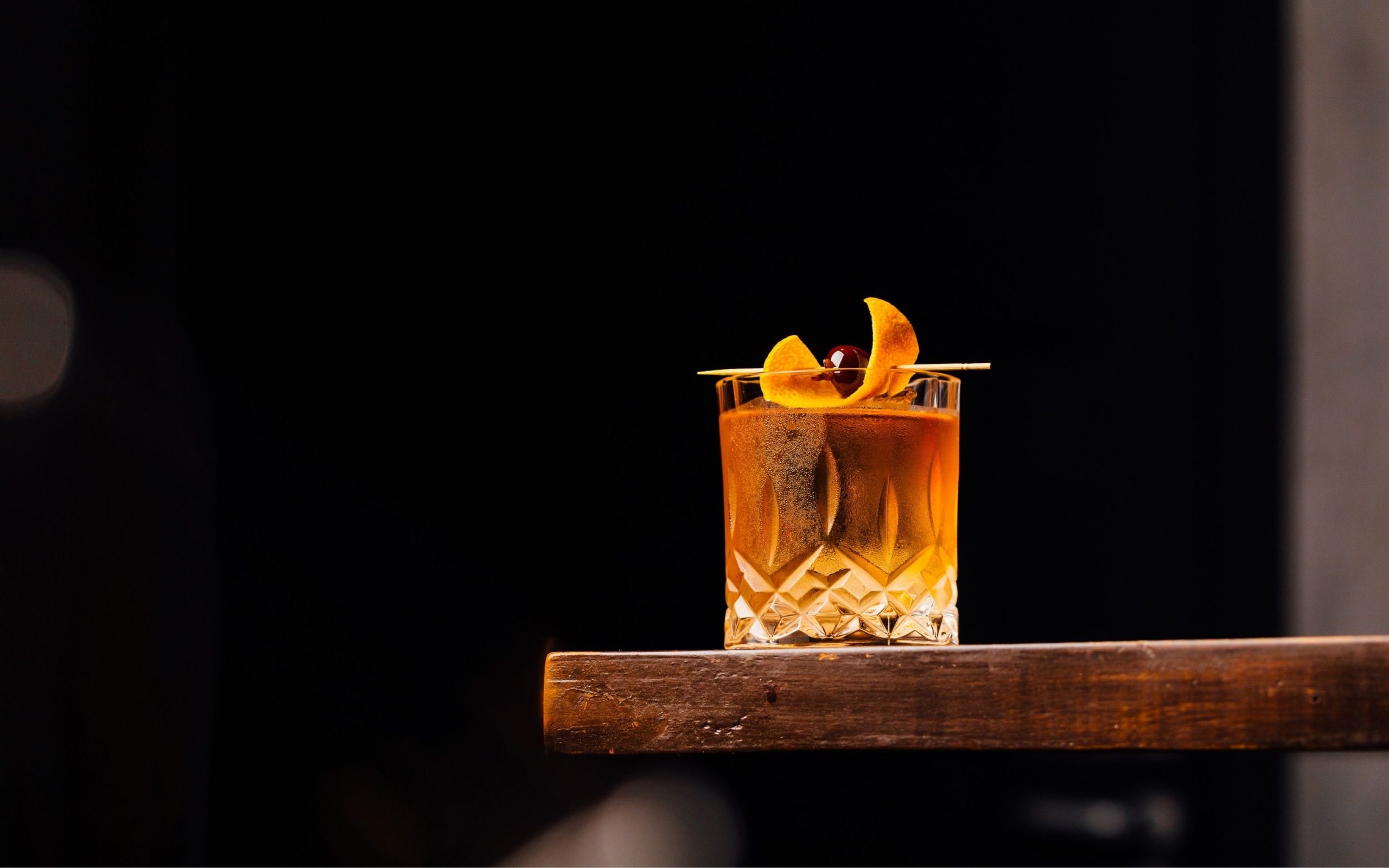
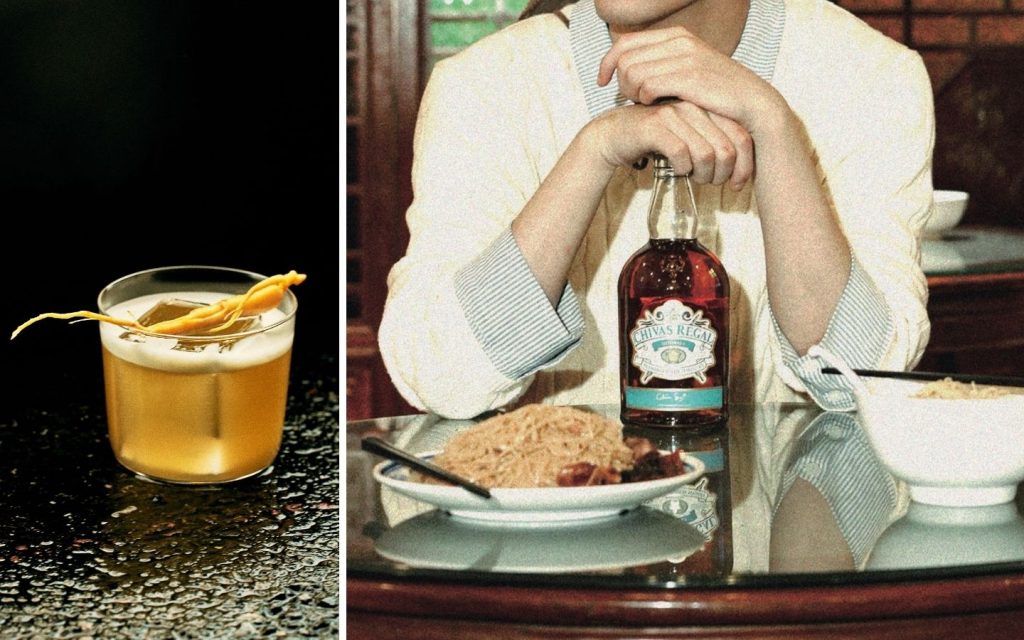
The menu draws from familiar flavours found on Cantonese family dining tables, reinterpreting the aromas and memories that have accompanied generations. Among them, the Ginseng Penicillin (西洋參盤尼西林) reimagines the classic Penicillin cocktail. While the original combines honey, whisky and ginger to create a warm, spiced profile, Hope & Sesame’s version combines the gentle bitterness of ginseng with the citrus aroma of aged tangerine peel in a house-made ginseng and ginger liqueur, offering a distinctly Cantonese twist on the classic Penicillin.
Beyond Dongshankou: Hope & Sesame’s extended vision
Over the past decade, the team has grown Hope & Sesame into a meeting point connecting the city, brands and the wider global bar community.
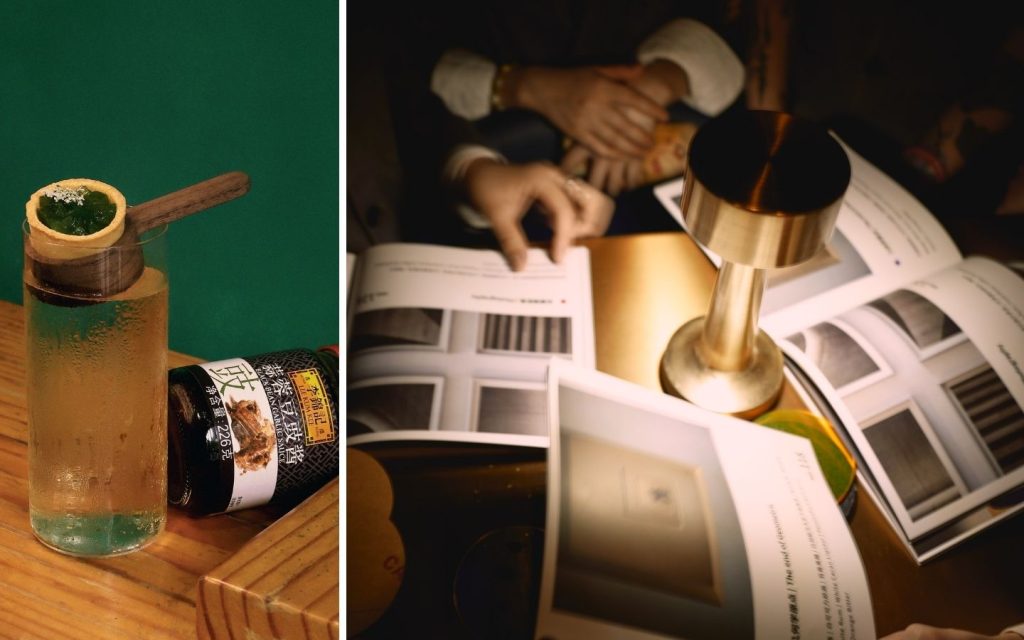
They have collaborated across different fields, reinterpreting familiar flavours through a new sensory language. Their collaboration with Lee Kum Kee, for example, explored how ingredients from Cantonese kitchens could be transformed into cocktails. This approach has also led to collaborations with beverage brands such as Heytea and cultural institutions including the He Art Museum, exploring how cocktails can connect with different aspects of everyday life.
Through guest shifts and exchanges with bars internationally, the team has also built meaningful connections within the global bar community. For Ho, a successful bar is not only about drinks and standards, but about continuous exchange – sharing ideas, learning from others and creating together.
“To keep going, you need to continuously increase your visibility,” Ho says, pointing out that the process allows more people to understand the culture and values behind the bar.
After becoming Asia’s No.1: The challenge of managing expectations
Becoming Asia’s No.1 bar brought Hope & Sesame not only recognition, but also a new level of expectation.
Ho believes rankings still matter, especially in Asia where cocktail culture continues to grow. “If Guangzhou has 20 million people and visitors come here, why would they choose you over another bar? From a business perspective, winning awards and climbing rankings are important.” But reaching the top comes with its own challenge: living up to what people expect. “When you are Asia’s No.1, guests start judging you before they even sit down.”
For Hope & Sesame, the answer is not simply creating better cocktails, but continuing to improve the overall experience – from the space and music to service and every interaction with guests. “We want guests to understand that what makes this award-worthy is not just one drink,” Ho points out.
Greater attention also inevitably brings greater scrutiny. “You make more enemies than friends, that’s normal,” he says. After ten years, the team has learned to find balance: staying open to constructive feedback while protecting the mindset and curiosity that brought them here.
The fact that Ho and Ciocca have hotel management backgrounds has helped. Their experience in the hospitality industry taught them how established brands create standards, build teams and design experiences around the guest experience. The pair also run Spirits Architects – a hospitality consultancy, helping other bars define their identity, strengthen operations and develop long-term strategies.
What comes next? “It’s actually difficult to answer,” Ho replies. “I haven’t completely figured it out myself yet.”
Ho still remembers the early days, when it was just him and Ciocca behind the counter, welcoming guests themselves and experimenting with cocktails that challenged expectations. “Letting guests experience cocktails they never expected, or flavours they had never tried before – that has always been our original intention, and something we continue to hold on to,” he says.
Ten years later, the stage has changed and the team has grown, but that curiosity remains unchanged. For Hope & Sesame, becoming Asia’s No.1 is not the end of the journey, but a new beginning – another opportunity to explore how a drink, a space and a moment of connection can continue to create new possibilities.
UPDATED: 07 Aug 2026, 5:14 pm