The monthly and hourly minimum wages of first, second and third tier cities in Guangdong will increase by around 7 to nearly 17 percent
Guangdong’s minimum wages will rise from September 2026
Article by:
PUBLISHED:
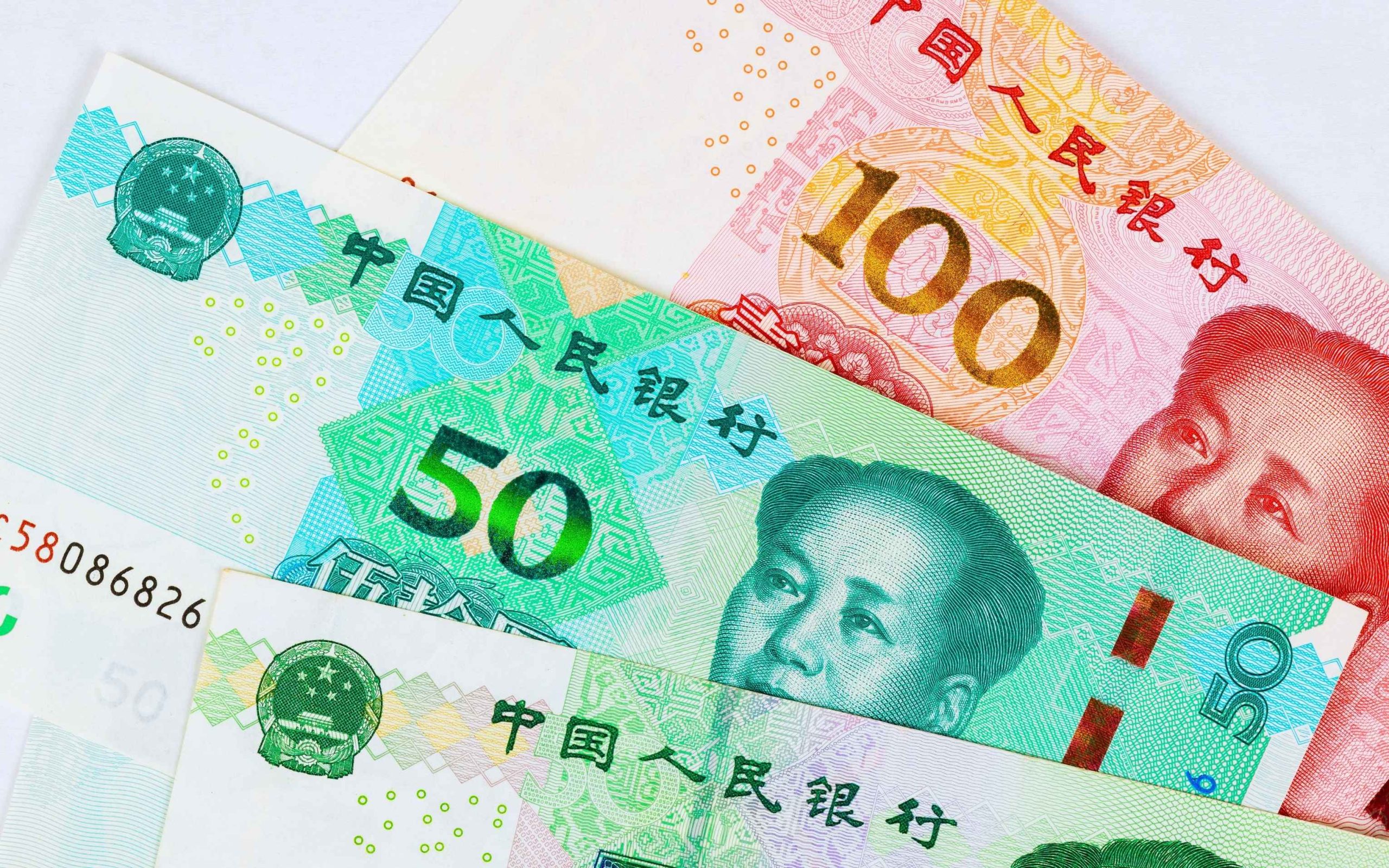
Twenty-one cities in Guangdong are set to increase their minimum wages by at least 7 percent from 1 September, the provincial authorities announced in a statement on 13 August.
The hikes will apply to cities across three tiers, including the first-tier cities of Guangzhou and Shenzhen. Guangzhou will see its monthly remuneration figure jump by 7.2 percent, from 2,500 yuan (US$370.74) to 2,680 yuan (US$397.44),
Meanwhile, workers in Shenzhen can look forward to a 7.14 percent rise to their monthly pay, from 2,520 yuan (US$373.71) to 2,700 yuan (US$400.40).
Both cities will see their lowest hourly compensation for non-full-time workers grow from 23.7 yuan (US$3.51) to 25.4 yuan (US$3.77), an increase of 7.17 percent.
How much is the pay rate rising in second and third tier cities?
Zhuhai, Foshan, Dongguan and Zhongshan are grouped in the second tier, and will boost their monthly rates by 10.58 percent from 2,080 yuan (US$308.46) to 2,300 yuan (US$341.08).
These four cities will also raise their hourly pay by 10.61 percent, from 19.8 yuan (US$2.94) to 21.9 yuan (US$3.25).
Rounding out the list are 15 third-tier cities that include: Shantou, Shaoguan, Heyuan, Meizhou, Huizhou, Shanwei, Jiangmen, Yangjiang, Zhanjiang, Maoming, Zhaoqing, Qingyuan, Chaozhou, Jieyang and Yunfu.
[See more: Most Macao residents are unwilling to work in the GBA, survey finds]
Shantou, Huizhou, Jiangmen, Zhanjiang and Zhaoqing were originally grouped under tier three in the 2025 minimum wage listing, and will see their monthly work compensation shift from 1,850 yuan (US$274.35) to 2,040 yuan (US$302.53), up 10.27 percent.
As well, the hourly wage of these five cities will grow by 10.38 percent, from 18.3 yuan (US$2.71) to 20.2 yuan (US$3).
By contrast, the remaining 10 third-tier cities were previously classified under the fourth tier in 2025, with lower minimum wage levels compared to Shantou, Huizhou, Jiangmen, Zhanjiang and Zhaoqing. After the wage hike, the 10 cities’ monthly and hourly salaries will grow by 16.57 percent and 16.09 percent respectively.
Where does Guangdong’s minimum wage stand nationwide?
According to official data cited by guominjinglve (国民经略), a WeChat media account founded by the vice-president of the South China Urban Research Association Kai Feng, after the wage hike, Guangdong’s minimum first-tier monthly salary level (2,700 yuan and 2,680 yuan) currently stands second in the country, behind Shanghai (2,740 yuan), but ahead of third-place holders Jiangsu and Zhejiang (2,660 yuan).
Meanwhile, Chinese finance media Cai Hua Lian Pian (财话连篇) noted that Guangdong’s second-tier monthly wage (2,300 yuan) was ranked second in the nation, behind Jiangsu and Zhejiang (2,430 yuan). By contrast, Guangdong’s third-tier compensation (2,040 yuan) only managed to earn a mid-point ranking.
In principle, China is supposed to modify its minimum salary figures at least once every two years. The previous adjustment took place last year, with multiple provinces raising their wage levels by more than 10 percent.
What’s the situation like in Hong Kong and Macao?
As Special Administrative Regions (SARs), Hong Kong and Macao operate a wage and labour system that is distinct from Guangdong province.
Earlier this year, both SARs increased their minimum wage rates. On 1 May 2026, Hong Kong boosted its hourly pay to HK$43.1 (US$5.49, +2.38 percent) and monthly record-keeping cap to HK$17,600 (US$2,243.01). Below that wage threshold, employers must log all hours worked by an employee.
Macao implemented similar measures on 1 January 2026, lifting the hourly figure to 35 patacas (US$4.34) and the monthly compensation to 7,280 patacas (US$902.97).