Indices with lower semiconductor exposure offer a defensive buffer as earnings for old-economy companies begin picking up, investment strategists say.
How Hong Kong and Macao equities can help hedge against an AI stock market correction
Article by:
PUBLISHED:
Stocks linked to artificial intelligence have pared back losses following a July sell-off with investors extending their bullish outlook for transformative technologies in emerging industries. However, despite the rebound, sentiment remains cautious, highlighting the difficulty of allocating capital in the current market landscape.
With earnings growth running up against a sector trading at historically high valuations, the immediate direction of the multi-year AI trade stands at a crossroads. There are grounds to be upbeat, as markets have shown their near immediate resilience from short-lived corrections, including the DeepSeek moment of early 2025 and the tariff tantrum that unfolded later that spring.
But among the major shifts is the rising yield environment. Higher energy prices are galvanising central banks to tighten borrowing costs to keep inflation in check, and with fuel prices unlikely to ease off at a time when global debt levels continue to rise, investors may be mired in a rising interest rate environment that weighs on asset prices.
[See more: Gold and bitcoin prices are moving higher. Here’s why.]
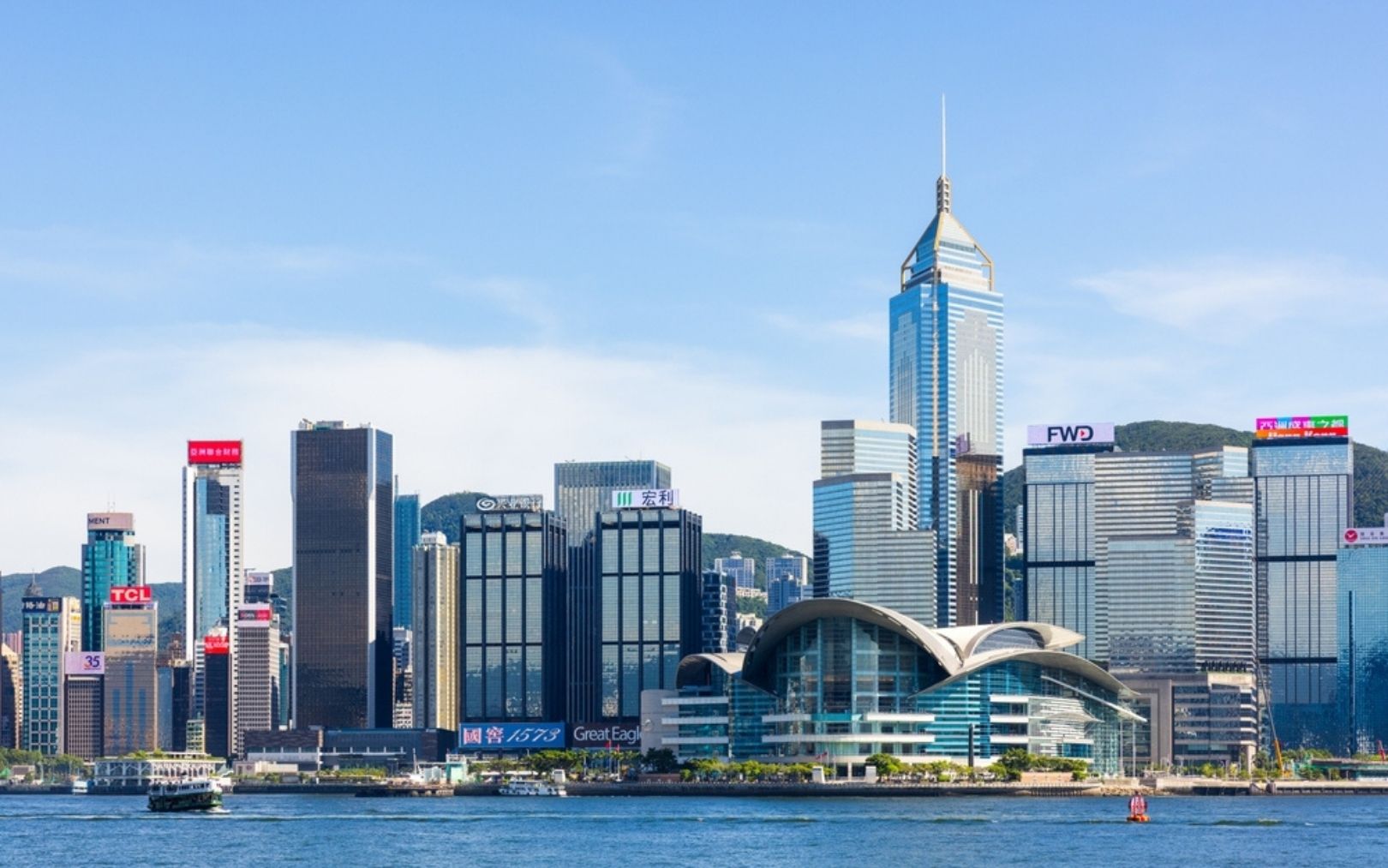
Should a market downturn unfold, hiding in underperforming indices that have not tracked the tech rally could offer shelter, driving capital to Hong Kong’s equity markets which have lagged regional bourses due to fewer AI-related hardware holdings.
Hong Kong’s old school growth
Simultaneous to these defensive features, Hong Kong’s earning profile is bottoming out, analysts say, including the benchmark’s heavily represented e-commerce platforms as policy makers become more vocal against neijuan, the practice of undercutting prices to win over market share.
Beyond these digital companies, appeal for so-called “non-AI trades” is garnering investor interest, according to a research note by Morgan Stanley, a brokerage. Among them are property developers experiencing an upswing in the physical market that could carry over into 2027, where JLL consultants forecast mass residential prices to rise between 5 and 10 percent this year.
[See more: Hong Kong property market: CBD office demand taking up supply faster than expected]
And while the talent flow from non-local students and expatriate professionals bolsters residential rents, robust capital markets should feed demand for Grade A commercial real estate in Hong Kong where the local exchange has raised HK$210 billion (US$27 billion) in deals so far this year, ranking second globally behind Nasdaq in New York, compared to the HK$285 billion reached last year.
Macao’s appeal
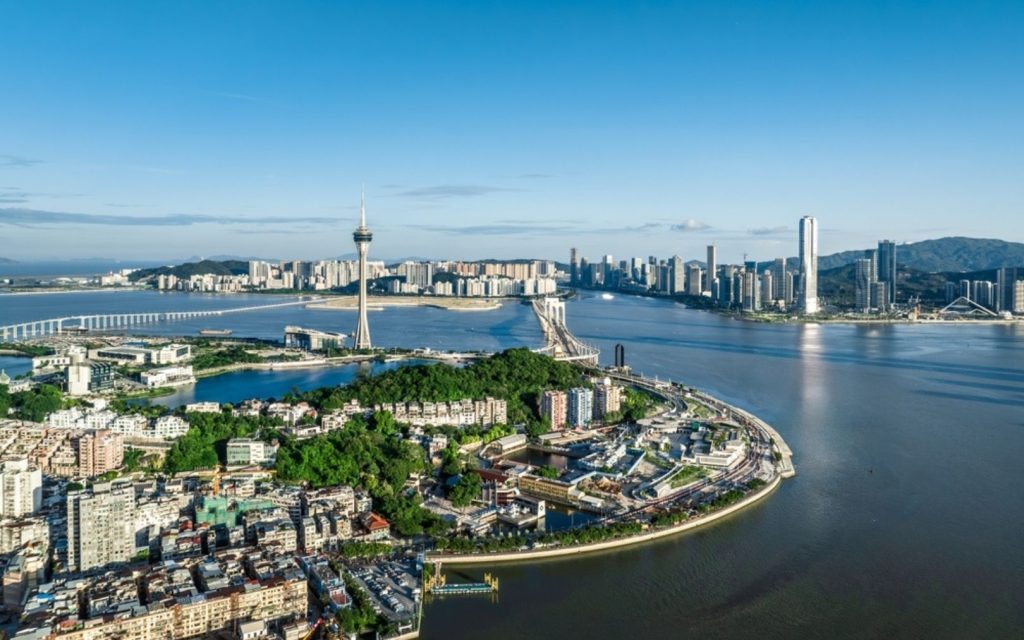
Similar defensive dynamics hold for the Hong Kong-listed Macao casino sector where equity valuations have fallen more than 20 percent due to decelerating gaming revenue concerns coinciding with climbing operating expenses.
That downbeat sentiment has been amplified this summer. Annualised gross gaming revenues (GGR) have contracted each month between June and August on account of last year’s higher base as well as the extended FIFA World Cup tournament, which saw 104 matches played compared to the 64 in the previous tournament, pulling attention away from the casino floor.
But with August’s GGR rising 8 percent from the previous month, a nascent recovery following the World Cup’s conclusion could bode well for the share price, notes Morgan Stanley, which holds an “in-line” view of the sector.
[See more: Macao’s casino revenue was down 1.2 percent in August]
Mass revenue now accounts for 130 percent of its pre-pandemic levels, highlighting the industry’s unwavering demand. However, cost discipline remains the critical factor, as profits come in at just 80 percent, reflecting the competition to attract affluent premium players.
Any indication of fiscal rationalisation, such as flat quarter-on-quarter operating expense growth, could support a late-year rally, the bank’s analysts say, particularly when free-cash flows and dividend yields are trading above their long-term averages.
The irony of shelter
As August’s tech rebound carries into September, investors are again returning to, and crowding into, the AI trade, pushing their valuations back to historical highs on the expectation of even faster income appreciation.
“Many of these new AI-related companies coming to the market are priced to perfection,” says chief investment officer Alan Tse of AA Capital, in conversation with The Bay.
“When markets are this enthusiastic, a compelling story and genuine scarcity value can carry an unprofitable name a very long way,” he says, but warns that when rates are higher, justifying market multiples becomes more challenging.
Yet, despite holding fewer AI-linked stocks, Hong Kong is susceptible to similar market headwinds. Rising interest rates which could make funding costs more expensive for debt heavy industries while an overhang from tighter capital curbs and tax liabilities could portend negatively for the recovery in GGR momentum.
These developments are playing out as AI-linked stocks are choosing to list their shares on onshore markets like Shanghai. And while Hong Kong and the mainland exchanges do not have any reciprocal IPO arrangements, the Stock Connect opens mutual trading access, positioning the SAR’s deeper liquidity pool as a funding source for international investors looking to accumulate mainland equity exposure.
[See more: Robots are already part of the GBA. What happens next?]
“At the moment, Shanghai has abundant IPO-chasing liquidity meeting scarce tech supply. Meanwhile Hong Kong is feeling the siphon as the attention rotates north where similar sectors are being priced in two different valuation asset classes,” Tse explains.
For Hong Kong and Macao linked equities to be seen more than an investment shelter, earnings stabilisation is key. For the index’s larger e-commerce constituents, operating efficiency gains or new business lines resulting from their AI-related investment would be welcome. Until then, providing shelter might not be enough as a market re-rating catalyst when everything is falling.