India posted the largest absolute increase of any country, while China's demand slipped 1.2 percent amid deflation
China tops world instant noodle demand in 2025
Article by:
PUBLISHED:
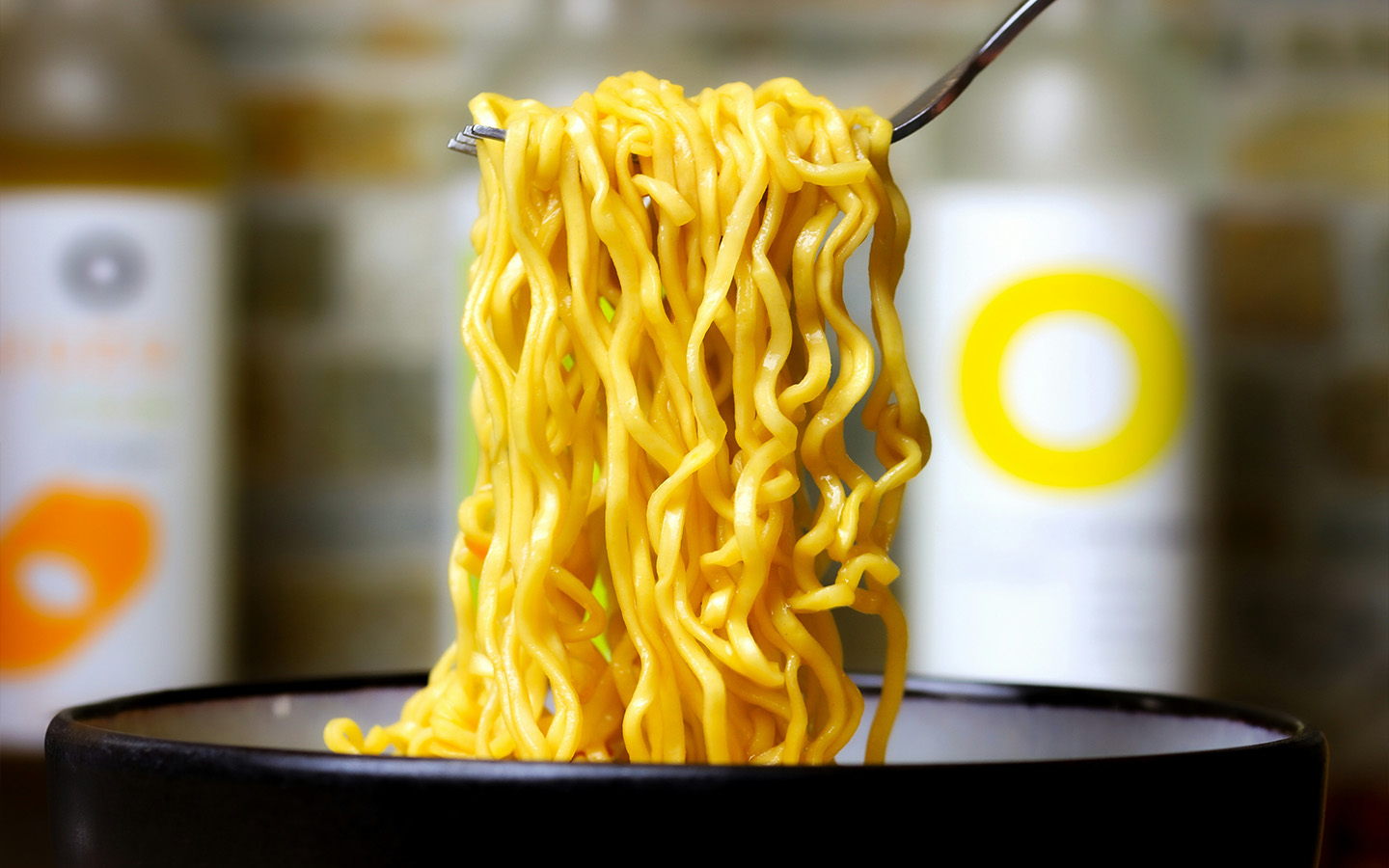
Global demand for instant noodles reached 124.21 billion servings in 2025, up 0.7 percent year on year, according to the World Instant Noodles Association’s latest data. China, which the association listed as “China/Hong Kong,” remained the world’s largest market despite a 1.2 percent decline, followed by Indonesia and India in second and third place.
How did the top five countries perform?
- China/Hong Kong: 43.27 billion servings, down 1.2 percent
- Indonesia: 14.54 billion servings, down 1.0 percent
- India: 9.60 billion servings, up 8.9 percent, the largest absolute increase of any country in 2025
- Vietnam: 8.23 billion servings, up 1.2 percent, and the world’s highest per capita consumption
- Japan: 5.95 billion servings, up 0.9 percent, its second consecutive year of growth
Why did China’s demand fall?
WINA attributed the decline to deflationary pressure pushing consumers toward more frugal, selective spending, even as China’s economy grew 5 percent for the year, hitting the government’s official target. The association expects cup noodles and mid to high priced bagged noodles to regain momentum through deeper reach into regional cities, e-commerce expansion and new product launches.
What drove growth elsewhere?
India’s surge came from a cut to the goods and services tax, wider e-commerce access and an expanding range of products. Curry and roast chicken are the country’s most popular flavours, and with roughly 60 percent of the population eating vegetarian for religious reasons, many broths lean on vegetable and tomato bases rather than meat. Smaller “Chota Pack” servings are also sold specifically as a children’s snack.
[See more: Michelin Guangzhou & Shenzhen Guide 2026: strong debut for Shenzhen]
Indonesia posted its first decline in five years, as currency depreciation and higher raw material costs squeezed household purchasing power, though cup noodles continued gaining ground there regardless.
What’s the bigger picture?
Demand grew in every region except Europe, with Asia leading overall growth and Latin America and the Middle East and Africa also posting strong gains. WINA flagged that US trade policy shifts and Middle East tensions raised raw material and export costs across Asia in 2025, a trend it expects to continue shaping pricing and procurement into 2026.