Unprecedented rainfall in key Brazilian regions has damaged harvests, raising alarm over the availability of premium arabica beans for international markets.

Article by:
PUBLISHED:
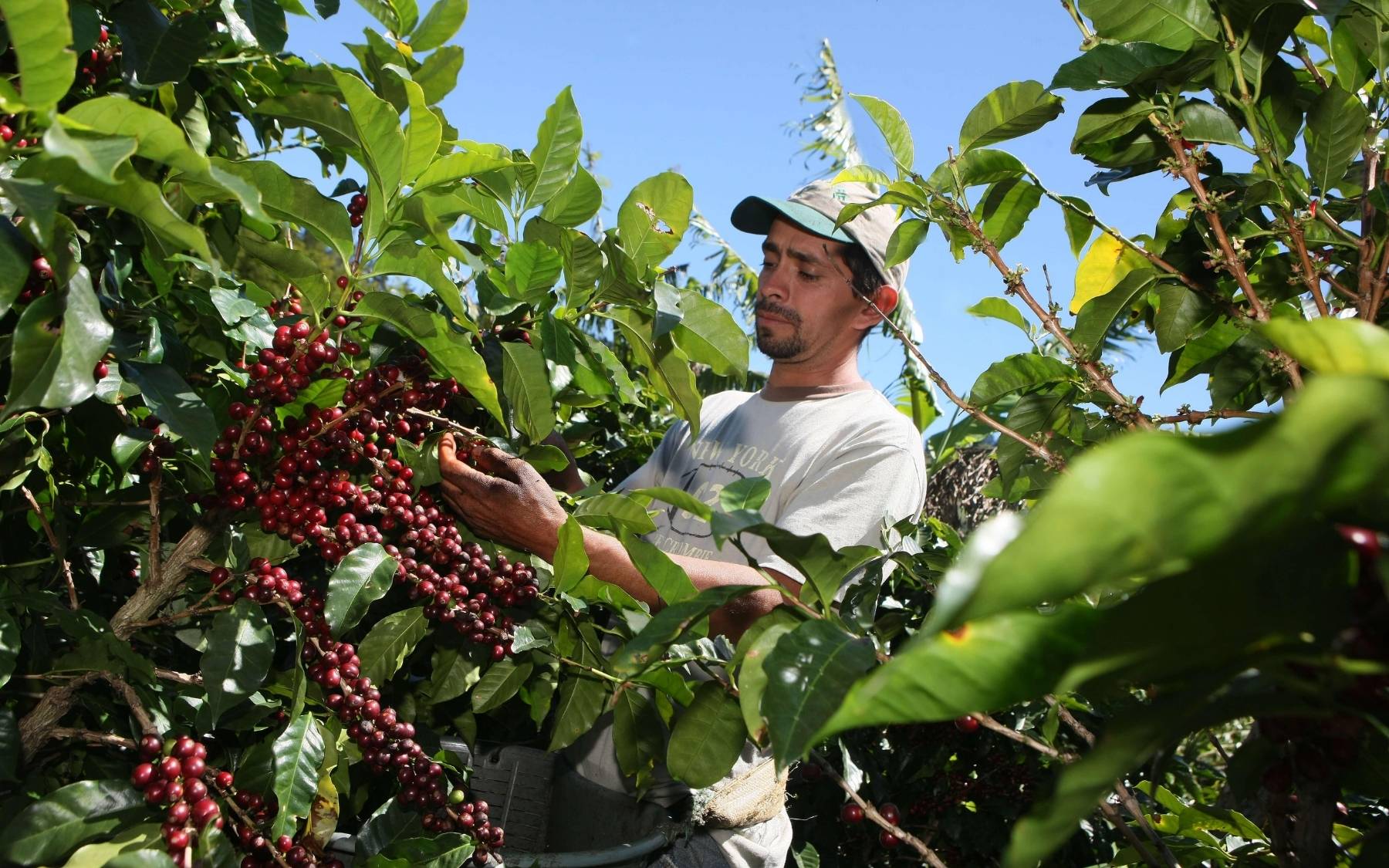
Extreme rains in Brazil, the world’s foremost producer of arabica coffee, are creating significant uncertainty for international roasters and major coffee chains. As the nation accounts for roughly 45 percent of worldwide production, the current weather disruption is causing substantial anxiety regarding the stability of the global coffee supply.
Throughout June and July, crucial coffee-growing regions in Brazil experienced rainfall ranging between two and a half and five times the typical precipitation levels for that period. The deluge has damaged crops, delayed harvests, and created significant obstacles for producers attempting to dry their beans effectively according to a Bloomberg report.
[See more: Brazilian AI infrastructure boosted through Chinese technology partnerships]
The report indicates that the downpours washed away approximately 20 percent of coffee cherries from trees in affected areas. Much of the fruit that survived the weather events was left saturated and vulnerable to infection, which can compromise cup quality, introducing stale, fermented, or mouldy notes to the final product. The situation was further compounded when a subsequent wave of rain necessitated restarting the drying process, further impacting the beans available for global coffee supply chain.
This development is problematic for the industry, which is already managing intense pressure from climate volatility, rising production costs, and high consumer demand. Major international firms, including Starbucks, Luigi Lavazza, and Illycaffè, are reportedly finding it increasingly difficult to source beans suitable for premium blends. Because Brazil is vital to the global coffee supply chain, these issues are resonating across its major export markets, including the United States, Germany, Italy, Belgium, and Japan.
Arabica is the most widely consumed coffee species, typically accounting for 60 to 70 percent of production worldwide. Known for its complex flavour, bright acidity, and fruity or floral notes, it remains a staple for specialty markets. While countries like Colombia, Ethiopia, and Guatemala are also key producers, Brazil’s dominance makes any quality dip a concern for international buyers.
Industry analysts suggest that if these quality challenges persist, roasters may be forced to increase prices for premium arabica or adjust their blends to compensate for the shortage, creating ongoing challenges for the global coffee supply moving forward.