A new investigation at a significant Late Bronze Age settlement in Portugal aims to reveal fresh insights into a 3,000-year-old defensive wall.

Article by:
PUBLISHED:
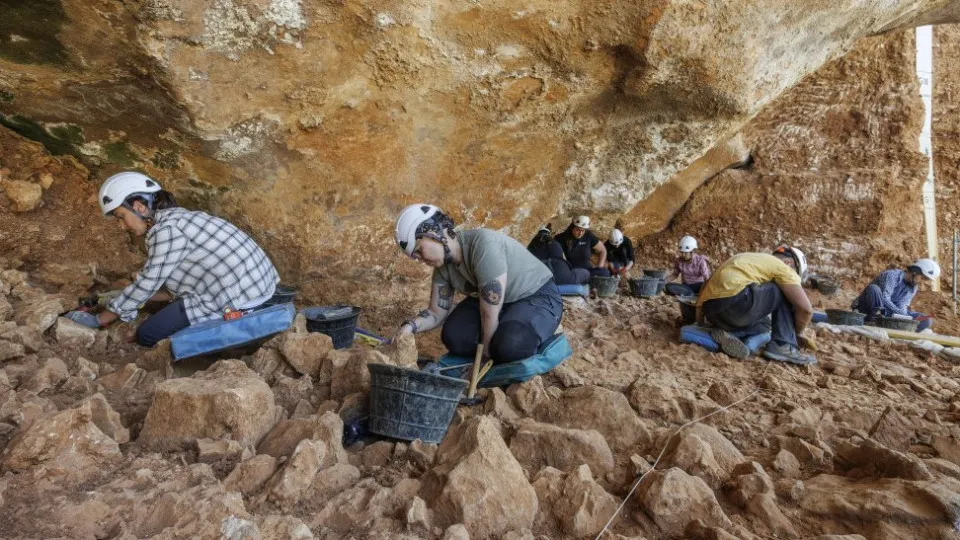
A significant new chapter is underway for historical preservation in Portugal’s Alentejo region, as the Outeiro do Circo archaeological project launches its latest investigation. Located in the municipality of Beja, this expansive site represents one of the most substantial Late Bronze Age settlements found across the Iberian Peninsula.
This ambitious initiative is scheduled to run until 2029 and will be spearheaded by Nelson J. Almeida, a distinguished archaeologist and professor at the University of Évora, according to a local media report. The primary objective of the Outeiro do Circo archaeological project is to gain a deeper understanding of a massive defensive wall that has stood for approximately 3,000 years.
Researchers aim to meticulously analyse the structure of this fortification and its spatial relationship with the various buildings and communal features that once defined the ancient settlement.
Spanning approximately 17 hectares, the site is widely considered to have been a vital regional power centre long before the emergence of Beja, a city whose own historical roots became firmly established during the Iron Age, circa the 7th century BC. While the site has been documented since the 18th century, it was not until 1977 that it received its first scientific investigation. Following various research campaigns between 2008 and 2021, the Outeiro do Circo archaeological project seeks to build upon previous discoveries, with over 30,000 artefacts having already been unearthed.
[See more: Two Portuguese beaches make Europe’s top 10 hidden seaside escapes]
According to Professor Almeida, the upcoming work will focus on a 53-square-metre area, enabling the team to examine a specific segment of the defensive wall in much greater detail. Over the next four years, Outeiro do Circo will utilise advanced geophysical techniques to characterise the site. Additionally, the team will investigate potential structures, specifically focusing on areas near what is believed to be a secondary entrance.
Beyond the excavations, plans are in motion to engage local communities and international audiences alike, developing a comprehensive heritage assessment. Ultimately, these efforts may facilitate structured public access, potentially transforming this significant site into a premier tourist destination in southern Portugal.