Hong Kong and Macao have collectively pledged to donate over US$10 million after the Nepal-Tibet floods on 26 August 2026

Article by:
PUBLISHED:
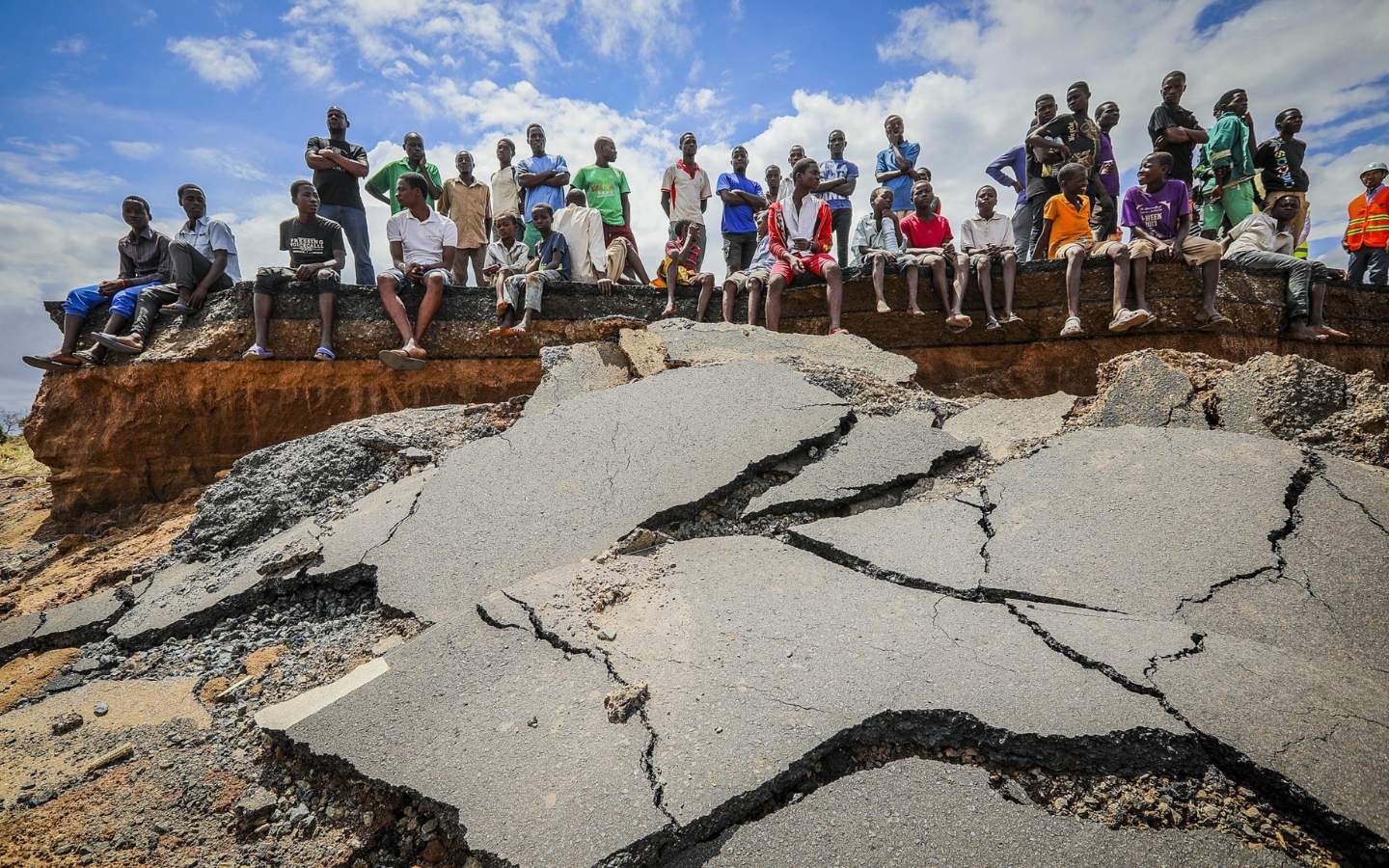
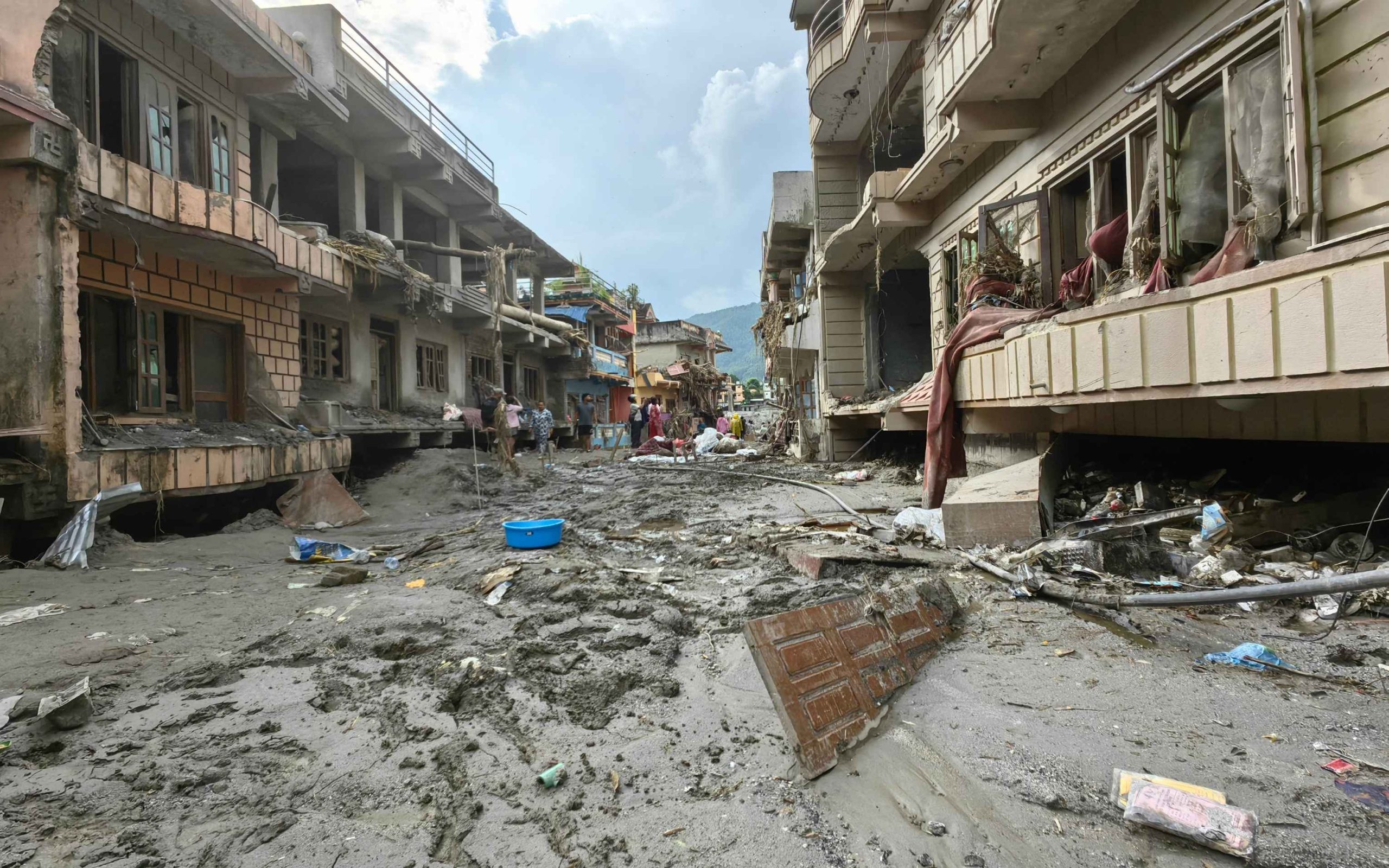
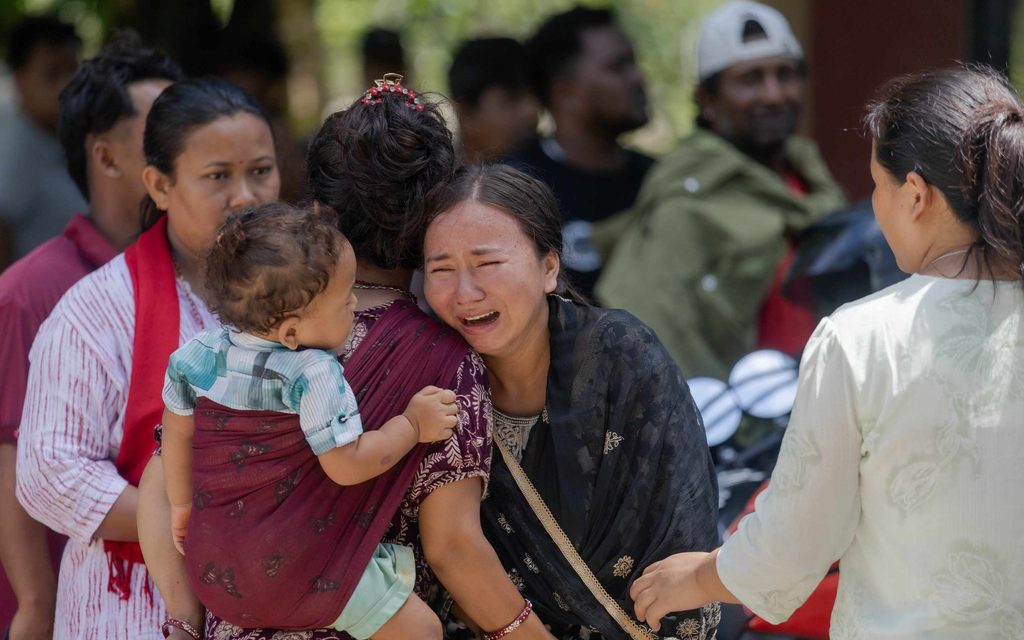
At least 903 people in Nepal and 16 people in China’s Tibet Autonomous Region have perished from the flash floods and landslides that hit the border region between Gyirong Port in Tibet and Nepal’s Rasuwa district on the morning of 26 August. That’s based on the latest figures cited by Nepal’s National Disaster Risk Reduction and Management Authority (NDRRMA) for 31 August 2026 (9 am local time), as well as data reported by Chinese officials.
Meanwhile, 4,247 individuals were missing in Nepal according to latest figures, a significant jump from the 2,498 reported earlier, following the revision of reports in Nuwakot district. In Tibet, 546 people were unaccounted for as of 29 August 2026.
Among those missing in Tibet, 261 were foreigners from 23 countries. Nepal had the highest number of missing nationals at 104 people, followed by India’s 49 and Latvia’s 33. Other countries with missing citizens included the US (18), the UK (15), Canada (6), Australia (6), South Africa (4), Malaysia (3), Germany (3) and Russia (3).
In Nepal, the number of missing foreigners totalled 592 people, with another 127 Nepalis who were accompanying the overseas visitors also declared missing.
The high number of missing foreigners is unsurprising, as the Tibet-Nepal border region is a popular cross-border travel route and hotspot for trekkers and pilgrims visiting religious sites such as Mount Kailash and Lake Mansarovar.
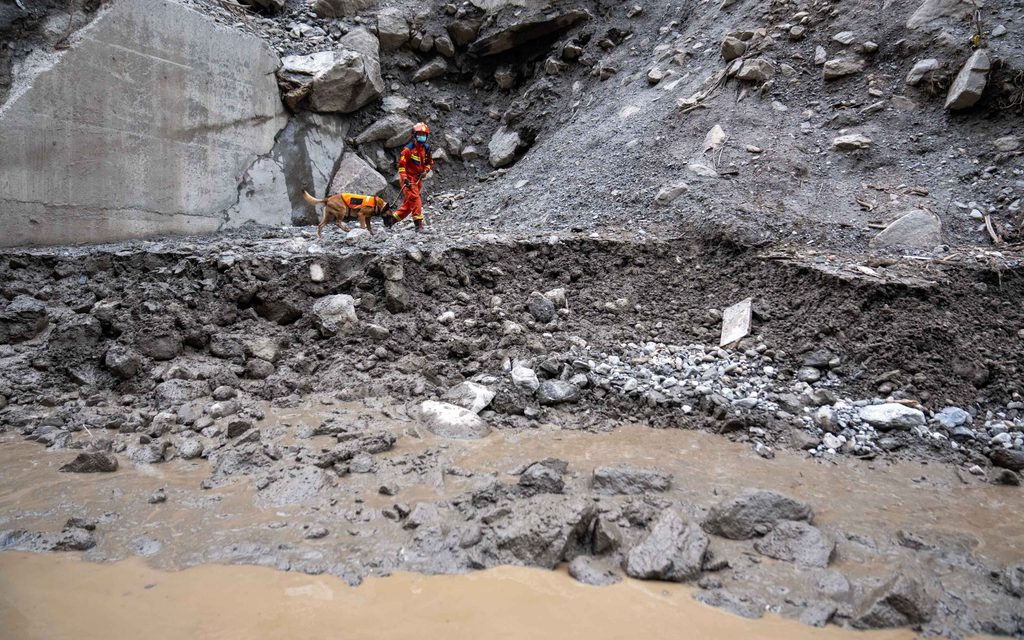
Rescue operations are currently underway on both sides of the border. At a press conference on 30 August 2026, Chinese officials said they had mobilised some 2,141 individuals from the People’s Liberation Army, the People’s Armed Police, China Fire and Rescue, border defence, public security and China Anneng Construction Group’s rescue team to assist with the search and rescue operations.
As well, 269 rescue vehicles and 3,922 rescue equipment kits had been sent to the areas impacted by the Nepal-Tibet floods.
[See more: Tibet-Nepal flood disaster: death toll hits at least 478, with over 1,400 missing]
Despite the all-out rescue operation, officials in Tibet quoted by the BBC on 30 August 2026 said rescue workers were struggling to find survivors, even though they had been searching for days.
BBC’s China correspondent Stephen McDonell noted that engineers in the region were on the cusp of reestablishing road access to one of the worst hit parts, although hopes of survival remain slim for the hundreds in the area who were hit with a destructive surge of water and mud.
On the Nepalese side of the border, rescue workers have been working to rescue hundreds of workers who are believed to be trapped inside various hydropower project tunnels, with their efforts centred around the Trishuli 3A and 3B sites.
Amid the tragedy, there are still specks of hope. Workers rescued 97-year-old Guna Maya Bohara from the rubble of her care home in Tupche, Nepal in a 4-hour operation that required the use of an excavator.
Similarly, a rescue team spent 2 hours rescuing a 5-year-old girl named Manisha who was trapped under rubble in Nepal on 28 August 2026.
Cities in the Greater Bay Area (GBA) are supporting the disaster-relief effort by offering financial assistance. Hong Kong Chief Executive (CE) John Lee announced in a Facebook post on that his government’s Disaster Relief Fund would set aside HK$50 million (US$6.37 million) for the emergency and recovery efforts following the Nepal-Tibet floods.
In neighbouring Macao, CE Sam Hou Fai said that his administration had decided to donate 30 million yuan (US$4.45 million) to Tibet via the Macao Foundation for relief and recovery purposes.
Major charitable organisations in cities such as Guangzhou, Shenzhen and Foshan have also pledged to donate large sums of aid money. The Shenzhen Sunshine Charity Foundation said it would give 30 million yuan (US$4.45 million) to Tibet’s Shigatse Charity Federation, while the Guangzhou Lishi Charity Foundation also said it would offer financial support.
The exact cause of the Nepal-Tibet floods has yet to be determined, although some experts have suggested that glacial thinning from climate change may have heightened the likelihood of the disaster, with geomorphologist Daniel Shugar of the University of Calgary telling reporters that “there was a big bedrock failure that took part of the glacier with it.”
Satellite photos taken before and after the floods do indicate that a massive glacier collapsed from the Langtang Lirung peak around the Nepal-Tibet border, likely sparking a chain of events that led to the disaster.
For its part, the Nepal government has already linked the disaster to climate change, with the country’s foreign minister, Shisir Khanal stating that the “people of Nepal have become major victims of climate change”, even though their contribution to global emission is only 0.1 percent.
UPDATED: 31 Aug 2026, 3:58 pm