The scrapping of the 20 percent federal levy on small international parcels has triggered a massive surge in imports from China-linked retail giants.

Article by:
PUBLISHED:
Brazil’s Congress has approved the abolition of a 20 percent federal import tax on small international parcels, providing a significant advantage for Chinese and China-linked digital retailers. Just days before the legislation was set to expire, politicians secured a tariff-free corridor into Latin America’s largest economy, directly benefiting major Chinese or Chinese-linked platforms like Alibaba’s AliExpress, Shein, and Shopee.
Under the certified Remessa Conforme programme, the new Brazil import tax exemption applies to international transactions valued up to US$50, the South China Morning Post reports. This decision has proven highly popular among lower-income consumers who rely on these platforms for affordable fashion items, kitchenware, and electronic accessories. The federal levy had previously been derided as the “little blouse tax” due to its heavy impact on low-value apparel.
[See more: Alibaba cloud infrastructure expansion reaches Brazil as AI focus intensifies]
However, international purchases are not entirely tax-free, as a state-level value-added tax of 17 to 20 percent continues to be applied to all orders. For purchases exceeding the US$50 threshold, up to a limit of US$3,000, a steep 60 percent federal import tax is still enforced, albeit offset by a US$30 deduction on the final calculated bill.
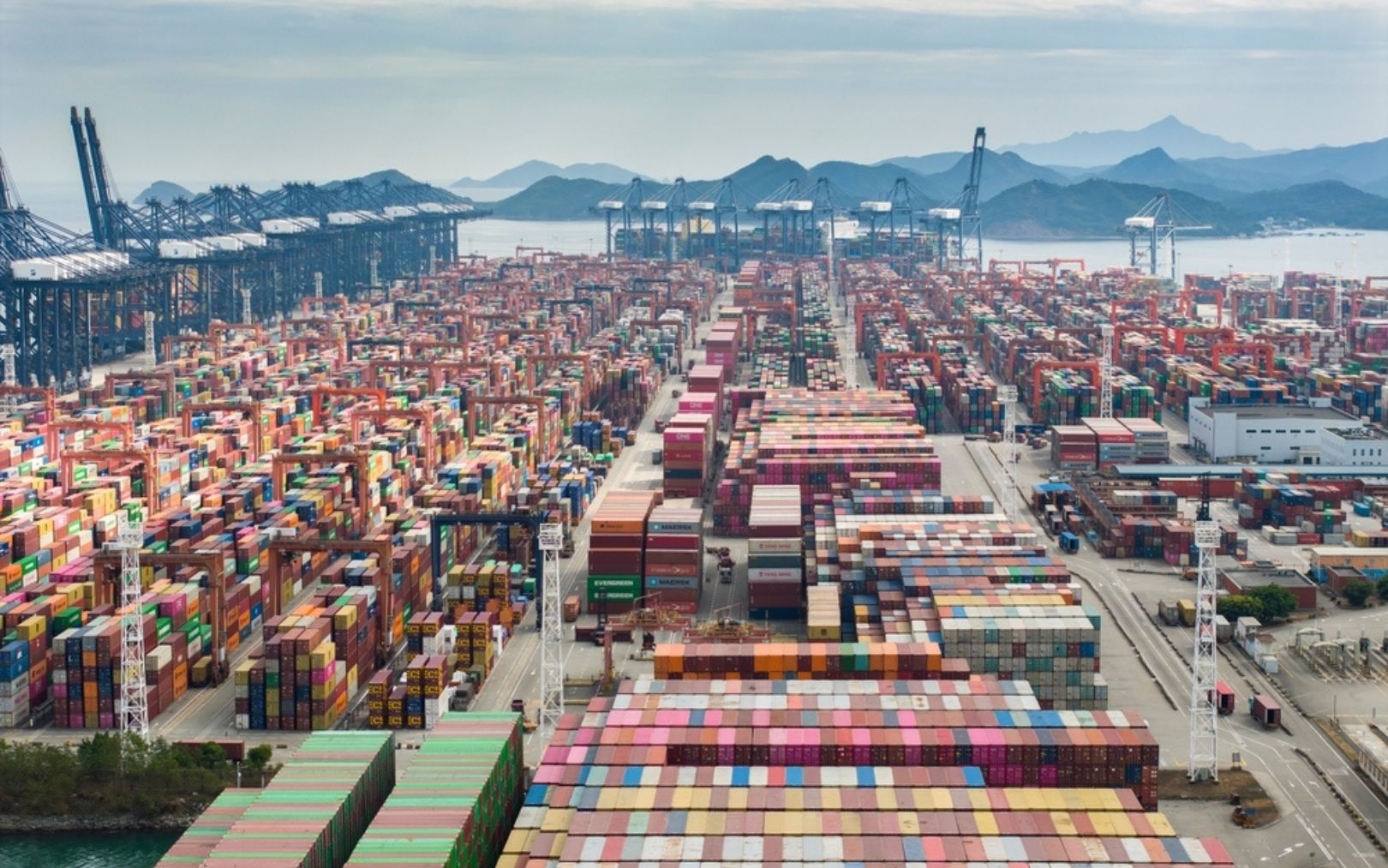
The introduction of this Brazil import tax exemption has led to an immediate boom in shipping volumes, the Post says. In June, the first full month following the suspension of the levy, Brazil welcomed a record 28.36 million international packages – a staggering 118 percent increase compared to the previous year. This far exceeded the average of 15.4 million parcels received monthly between January and April.
National manufacturing and trade groups, including the National Confederation of Industry, have fiercely criticised the policy. Representatives argue that the Brazil import tax exemption unfairly disadvantages domestic firms. The textile sector pointed out that 80 percent of clothing sold domestically is priced under the US$50 mark, leaving local factories exposed to cheap overseas competition.
While the Ministry of Finance estimates that the policy will cost the government US$360 million this year and up to US$1.8 billion by 2028, relief for local business may arrive soon. Under pending tax reforms mentioned by the Post, a federal levy is expected to be reintroduced on all international purchases from 2027.