An upgraded projection points to an 8.4 percent annual expansion driven by local wealth effects and a surge in mega events.
Deloitte revises Hong Kong retail sales forecast upwards
Article by:
PUBLISHED:
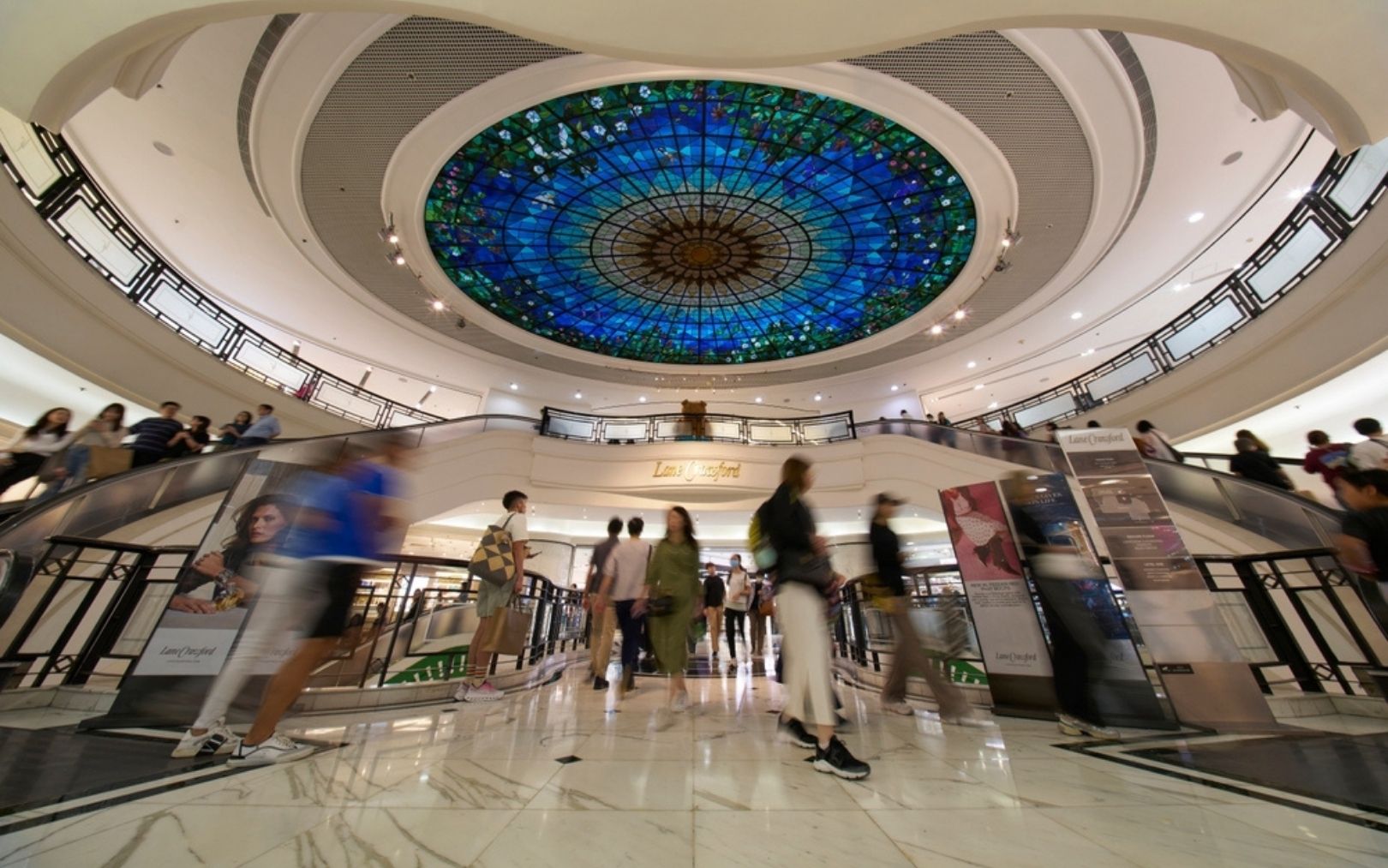
Deloitte China projects retail turnover in Hong Kong this year to expand by 8.4 percent year-on-year to HK$412 billion (US$52.8 billion). This updated figure represents an upgrade from the company’s February Hong Kong retail sales forecast of HK$410 billion, Hong Kong’s Standard newspaper reports.
According to Michael Cheng, consumer markets business leader at Deloitte China Hong Kong, a recovering property sector is strengthening the purchasing power of affluent local consumers. At the same time, a busy schedule of major festivals and international events is expected to attract overseas visitors and drive spending.
Retail receipts are predicted to grow by 7 percent during the second half of the year, following a robust first-half performance where sales surged 9.7 percent to approximately HK$203 billion, the report says.
Key factors shaping the Hong Kong retail sales forecast
Despite early momentum, retail growth is anticipated to moderate in the latter half of the year. Cheng highlighted several global macroeconomic uncertainties, including artificial intelligence developments impacting capital markets, the United States Midterm Election, and conflicts in the Middle East.
According to the Standard, reaching the record benchmark of HK$490 billion could take another three to five years, largely depending on the spending capacity of mainland Chinese tourists.
Mainland shoppers are currently benefiting from a stronger yuan relative to the US dollar, which creates favourable exchange conditions when buying goods in the city. Cheng noted that a continued appreciation of the yuan would offer further support to local shops.
[See more: Hong Kong diners are choosing value over luxury, says top restaurateur]
Regarding cross-border travel by residents, the surge in northbound consumption is believed to have crested last year. While Hong Kong residents purchase fewer daily necessities across the border due to constrained home storage, demand for mainland dining and services remains robust.
To maintain retail momentum, Deloitte advises businesses to offer tiered luxury products, enhance customer value, and refine cross-border pricing. High-value product categories are expected to gain most from tourism and wealth gains, whereas mainland shoppers continue to support demand for cosmetics, medicines, and durable goods.
Meanwhile, online commerce, which jumped 27.9 percent in the first half, is projected to normalise, with full-year digital sales growth exceeding 20 percent and accounting for over 10 percent of total market turnover for the first time.