The International Monetary Fund highlights a structural shift in Macao's economy as mass-market gambling increasingly anchors gaming revenue and tourism recovery.
Macao gambling sector undergoes structural shift as mass market drives recovery
Article by:
PUBLISHED:
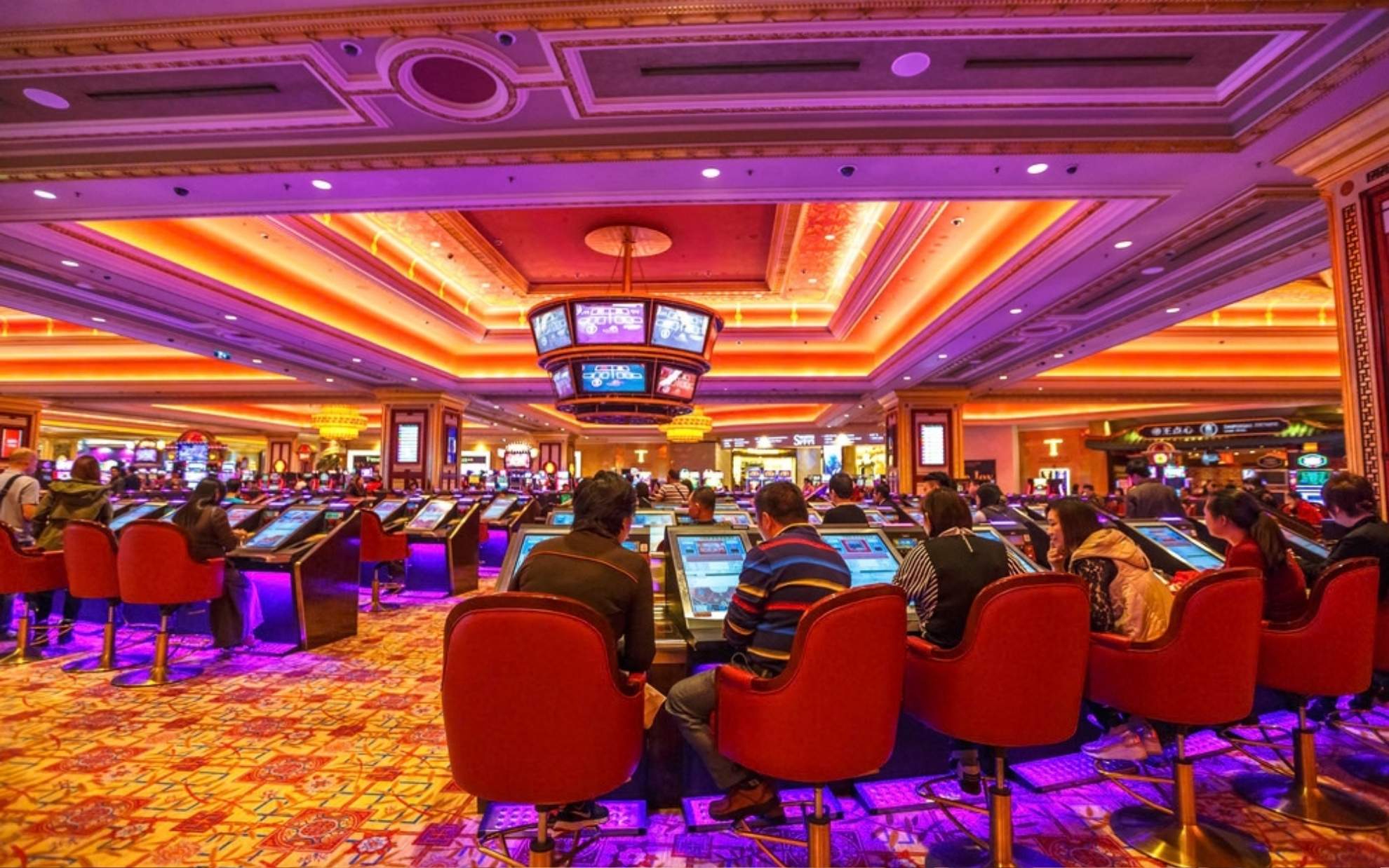
The Macao gambling sector has experienced a fundamental structural shift since the Covid-19 pandemic, with growth now primarily propelled by mass-market gambling rather than traditional high-end segments. According to a new International Monetary Fund (IMF) report cited by casino industry media, mass-market gaming accounted for circa 73 percent of the city’s casino gross gaming revenue in 2025.
Although the VIP segment has displayed some signs of recovery, its overall share of gross gaming revenue is projected to remain relatively low. This trend reflects how casinos are adapting to a new operating environment shaped by tighter rules for junket operators and enhanced governance, anti-money laundering, and counter-terrorist financing safeguards introduced following the 2022 gaming-law reforms.
Resilience in the Macao gambling sector
Overall casino gross gaming revenue increased by 9.1 percent year-on-year in 2025, reaching approximately 85 percent of its 2019 pre-pandemic level. This upward trajectory continued into the first half of 2026 with a further 6.9 percent rise, heavily driven by the mass-market segment. Nevertheless, Macao’s real gross domestic product remained about 10 percent below pre-pandemic levels, influenced by weaker demand from high-end customers and tighter regulatory requirements.
[See more: How Macao’s investment law is plugging the funding gap]
The broader economy continues to exhibit a high reliance on the casino industry, which generates between 40 percent and 45 percent of the city’s gross domestic product. With visitors from mainland China constituting approximately 70 percent of total tourist arrivals, the economy remains exposed to external shocks and cyclical volatility.
Looking ahead, the IMF forecasts real gross domestic product growth to moderate to 3.3 percent in 2026 and 3.1 percent in 2027, down from 4.7 percent in 2025, amid external headwinds and a potential slowdown in mainland China.
To achieve its target of increasing non-gaming activities to 60 percent of gross domestic product by 2030 under the Third Five-Year Plan, further investment in talent attraction, infrastructure, and business environment improvements will be vital as the territory works toward economic diversification.