China's state-owned AVIC group has secured a five-year agreement to overhaul 21 airports across Angola.

Article by:
PUBLISHED:
The government of Angola has officially awarded a five-year, US$71 million agreement to the Aviation Industry Corporation of China group (AVIC). This significant Angola airport maintenance contract covers 21 airports managed by the state-owned enterprise Sociedade Gestora de Aeroportos (SGA).
Under the terms of the agreement, AVIC will deliver assisted maintenance services alongside technical training for national staff. According to reports from Valor Económico, the stated objective is to elevate Angolan airports and aerodromes so that they meet the rigorous standards and recommendations set forth by the International Civil Aviation Organization and Angola’s National Civil Aviation Authority.
The award was executed via simplified procurement and approved directly by presidential order. Authorities previously approved a US$198.5 million addendum in 2022. That prior arrangement involved AVIC Engineering for construction and equipment work at the António Agostinho Neto International Airport situated near Luanda.
The newly finalised Angola airport maintenance contract spans the country’s broader national network. This encompasses provincial capitals and remote regions where reliable air links remain absolutely vital for general transport, emergency medical evacuations, disaster response, and the steady supply of essential goods.
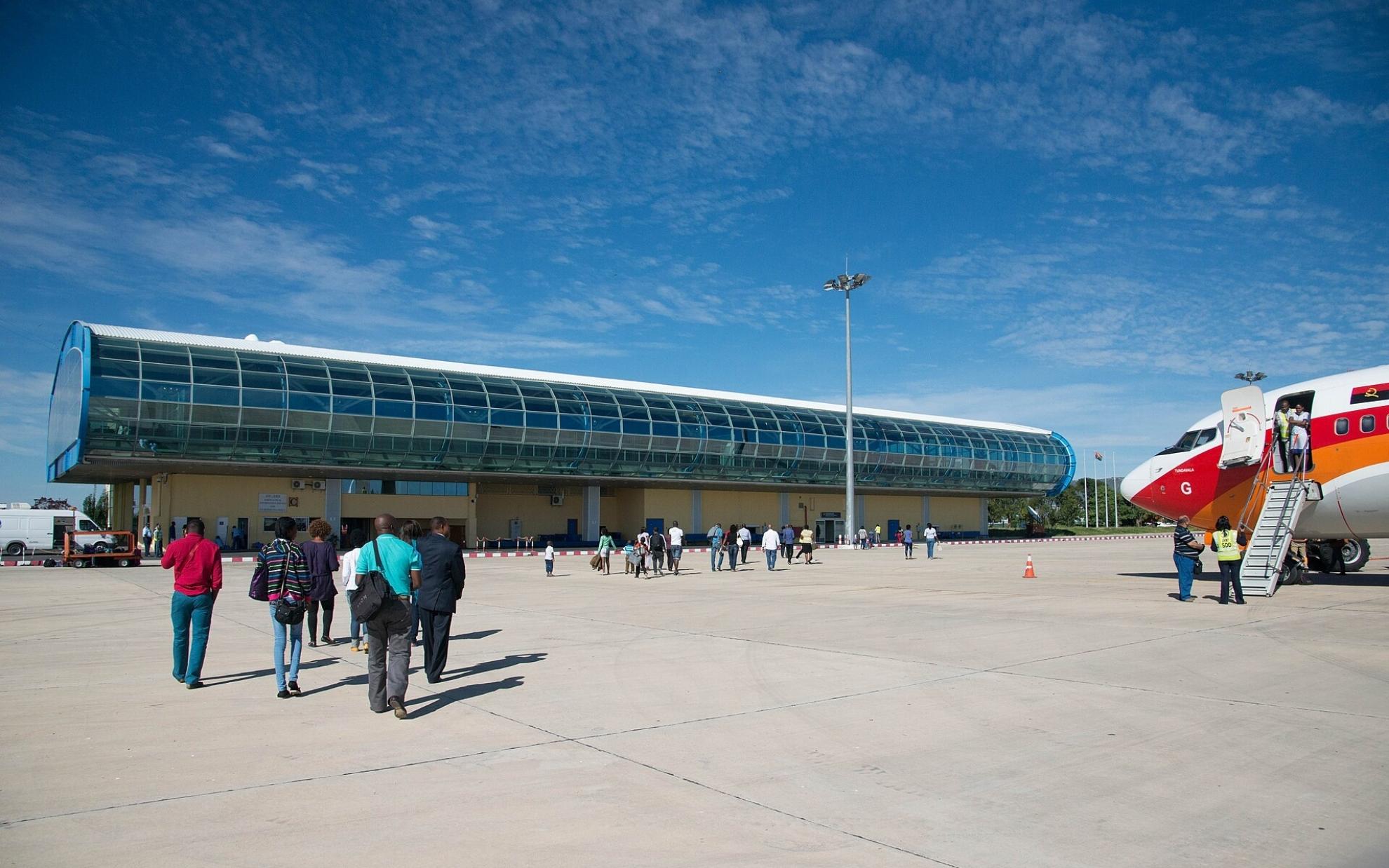
SGA manages 39 aerodromes in total across its primary, secondary, and complementary networks. Key provincial facilities likely to benefit include Catumbela in Benguela, Lubango in Huíla, Ondjiva in Cunene, Saurimo in Lunda Sul, Dundo in Lunda Norte, Luena in Moxico, Menongue in Cuando Cubango, and Cabinda.
[See more: Angolan coffee revival gains momentum as Angonabeiro backs local producers]
Ultimately, the arrangement is designed to transition the national aviation sector away from costly emergency fixes and towards structured preventive maintenance. Officials noted that the previous corrective model often resulted in repairs only after failures occurred, thereby shortening asset lifespans.
Furthermore, the government has acknowledged that SGA lacks the standalone financial capacity to support such an extensive technical programme, making this partnership essential for interior regions where air transport serves as a lifeline.