Official data reveals a significant rise in visitor arrivals and outbound travel as Beijing ramps up opening-up policies and tourism incentives.

Article by:
PUBLISHED:
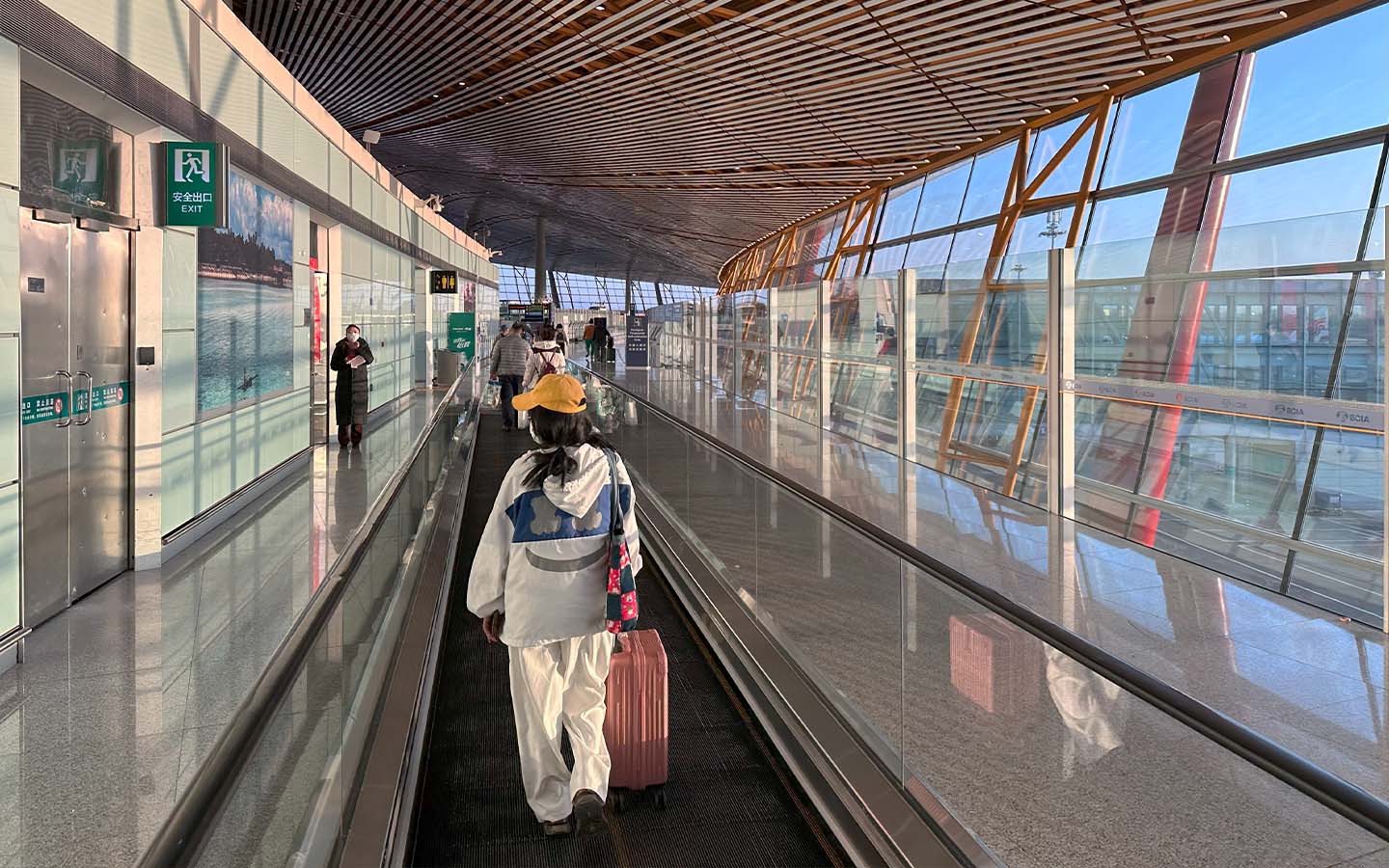
China recorded a significant increase in travel activity during the third quarter of the year, driven by overseas expansion among domestic companies and enhanced incentives designed to attract international travellers.
Figures released by the National Immigration Administration, and cited by the South China Morning Post, show that the country registered a total of 192 million China border crossings between July and September, marking a rise of 7.9 percent compared to the same period last year.
Foreign arrivals reached 11.6 million, representing an increase of 15.6 percent. Within this group, visa-free entries experienced a sharp surge of 24.1 percent, accounting for 77.5 percent of all foreign arrivals. Russia, South Korea, and Vietnam emerged as the top three source countries for visitors, followed by Malaysia, the United States, Japan, Singapore, Thailand, and Australia.
[See more: GTEF tourism conference returns to Macao with focus on sustainability]
Lu Ning, a spokesperson for the immigration bureau, attributed the growth to eased travel rules, alongside an increase in foreign nations granting visa-free access to Chinese citizens.
Over recent years, Beijing has extended visa-free entry to tourists from numerous countries to stimulate the domestic economy through inbound tourism, the Post says. The State Council aims to attract 190 million inbound tourist visits annually by 2030, with traveller spending projected to exceed US$150 billion per year.
Key initiatives include broader visa exemptions, improved digital payment access for international visitors, and expanded tax refund programmes.
Meanwhile, mainland residents undertook 48.5 million outbound trips abroad during the third quarter, reflecting a 7.5 percent year-on-year rise. According to the Post, the Chinese SARs of Hong Kong and Macao ranked as the most popular destinations, followed by international neighbours including South Korea, Vietnam, Thailand, Japan, Singapore, Malaysia, Russia, and Indonesia.
While nations such as South Korea and Thailand attracted strong interest from Chinese holidaymakers, the Post said that travel to Japan encountered notable disruptions due to ongoing diplomatic tensions between Beijing and Tokyo.
UPDATED: 22 Oct 2026, 1:50 pm