According to the 2026 GBA Pay and Benefits Survey, Guangdong wage growth will reach 3.8 percent in 2027, ahead of the SARs’ 3.1 percent
GBA salaries: Guangdong wage growth to outpace SARs in 2027
Article by:
PUBLISHED:
The average pay rise for employees working in the nine mainland cities of China’s Greater Bay Area (GBA) s projected to hit 3.8 percent in 2027, surpassing the forecasted 3.1 percent for both Hong Kong and Macao.
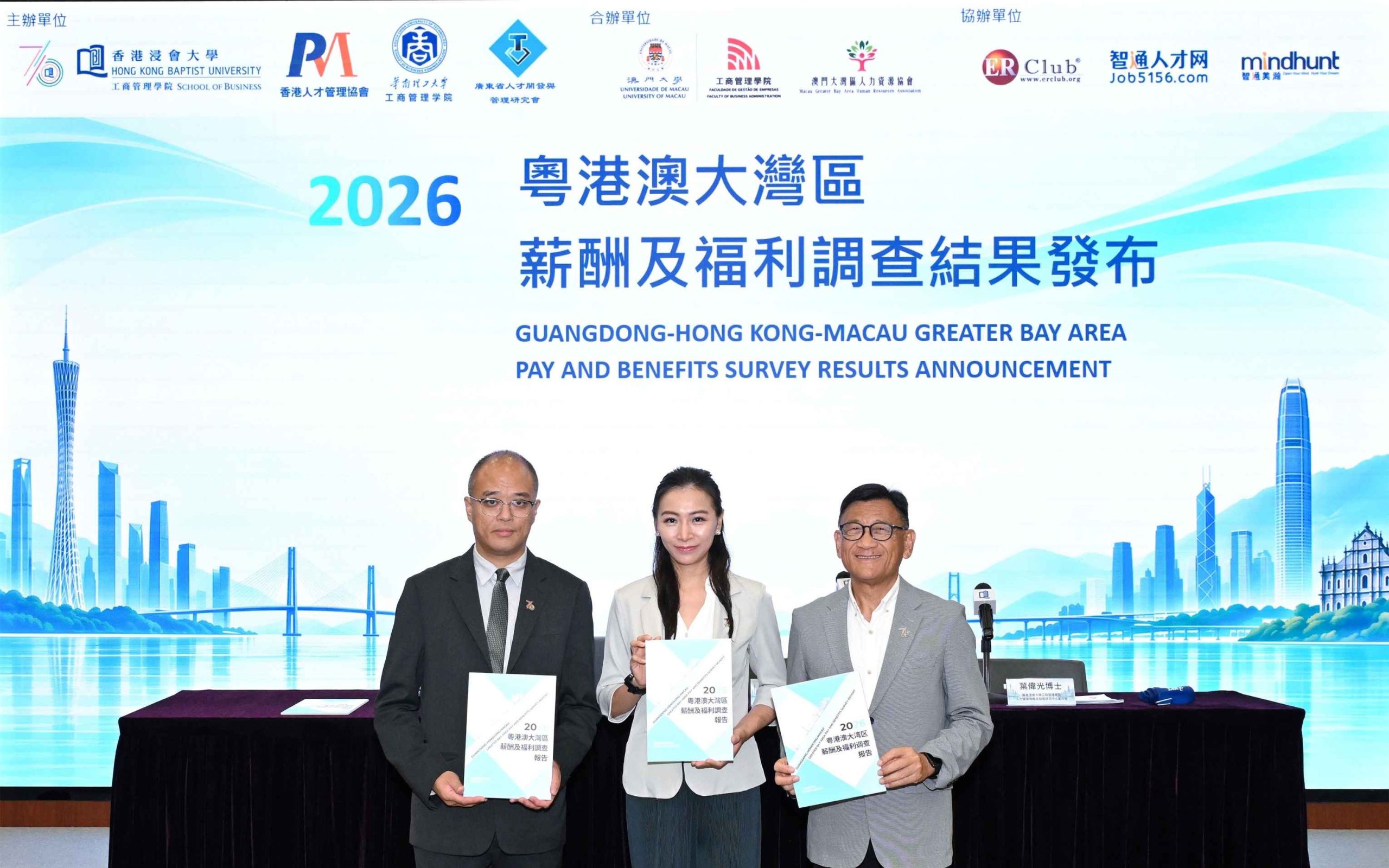
The find was made in the 2026 Guangdong-Hong Kong-Macau GBA Pay and Benefits Survey, which was jointly released by organisations including the Hong Kong Baptist University (HKBU) and the South China University of Technology (SCUT) on 22 October 2026. The study sampled 221 companies and over 270,000 employees from the GBA between July and September 2026.
Wage growth in Hong Kong and Macao slows in 2026, but accelerates in Guangdong
The projected GBA salary increases in 2027 represent an improvement when compared to the results from 2026. Researchers found that Hong Kong companies only raised their salaries by an average of 2.3 percent in 2026, down from 2.5 percent in 2025.
Macao also saw a slowdown in pay rises this year, with its 2026 increase of 1.1 percent marking a drop from 2025’s 1.6 percent.
[See more: Guangdong’s minimum wages will rise from September 2026]
By contrast, the nine mainland GBA cities recorded an average wage growth of 2 percent in 2026, up from the 1.8 percent mainland GBA salary rise logged during the previous year.
Notably, the two SARs reported pay freezes this year, with some 23 percent of the 78 Hong Kong companies surveyed noting that this had been the case. Similarly, around 60 percent of Macao companies revealed that they had also opted not to increase the wages of employees.
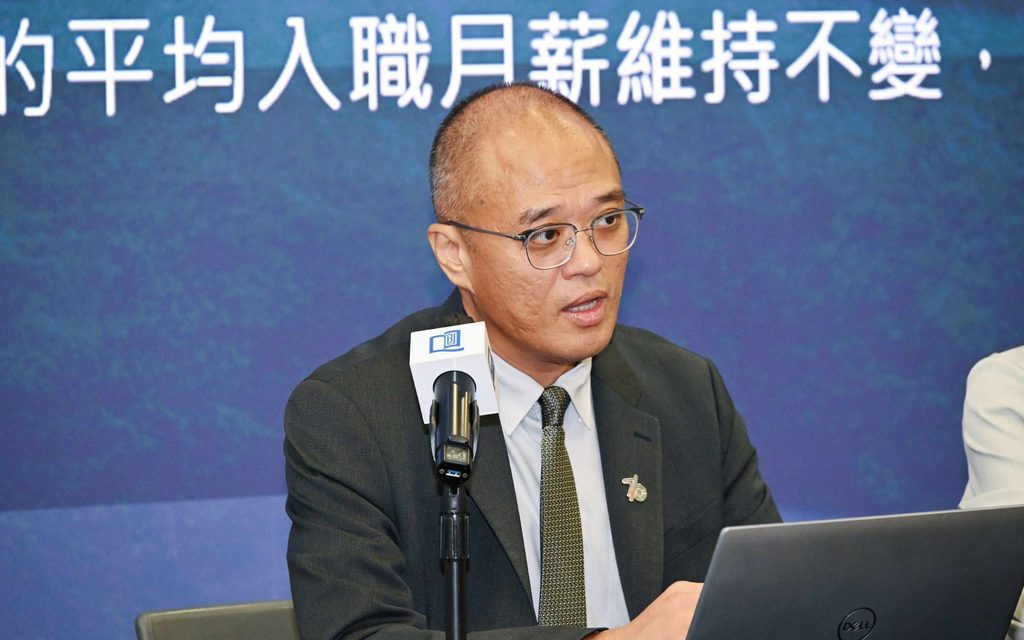
On the anticipated rebound in the salary increase in the mainland GBA, Hong Kong and Macao in 2027, Ray Leung, the chairman of the survey’s committee, noted that it “reflects the fact that, although businesses continue to face challenges from the external economic environment and cost pressure, they remain confident about their future development and talent needs.”
Fewer GBA employees are choosing to leave their jobs
The survey, which was also carried out by the Hong Kong People Management Association and the Guangdong Association of Talent Development, found a noticeable decrease in the voluntary turnover rate among workers in the GBA.
A total of 19.2 percent of Guangdong employees chose to leave their positions of their own volition, a significant drop from the 30.9 percent logged in 2024.
Hong Kong and Macao experienced declines as well between 2024 and 2026, with Hong Kong’s voluntary turnover figure decreasing from 19.3 percent to 16.7 percent. Macao’s number slipped from 9.4 percent to 6.9 percent.
Lack of formal AI workplace policies across GBA companies
On the use of AI, the researchers found that GBA firms had not set up official policies, guidelines, frameworks and systems regulating the use of such tools, even though many of them had already started experimenting with the technology.
Cecilia Tam, the director of the HKBU School of Business’s Centre for Human Resource Strategy and Development, highlighted that the greatest challenge facing GBA companies is not from AI technology, but rather “from talent, governance and organisational readiness” when it came to the use of AI.
“Companies increasingly value people who can effectively use AI, understand its capabilities, and can convert it into tangible business value,” she said.
Starting pay for Hong Kong graduates drops in 2026
Another area that the surveyors investigated was the starting salary of recent Hong Kong graduates. They found that the average starting pay of recent Hong Kong graduates holding a bachelor’s degree had fallen to between HK$17,500 (US$2,231) and HK$23,000.
However, the survey also reported that the average salary can shift depending on the position, with the highest starting salary being awarded to engineering graduates across all education levels, including bachelor degree holders, whose starting salary stood at HK$23,000 in 2026, up by almost 7 percent year-on-year.