The guidelines position the GBA as an open technology finance hub, with a focus on regional regulatory alignment and financial interaction
China unveils new financial guidelines to drive GBA sci-tech innovation by 2030
Article by:
PUBLISHED:
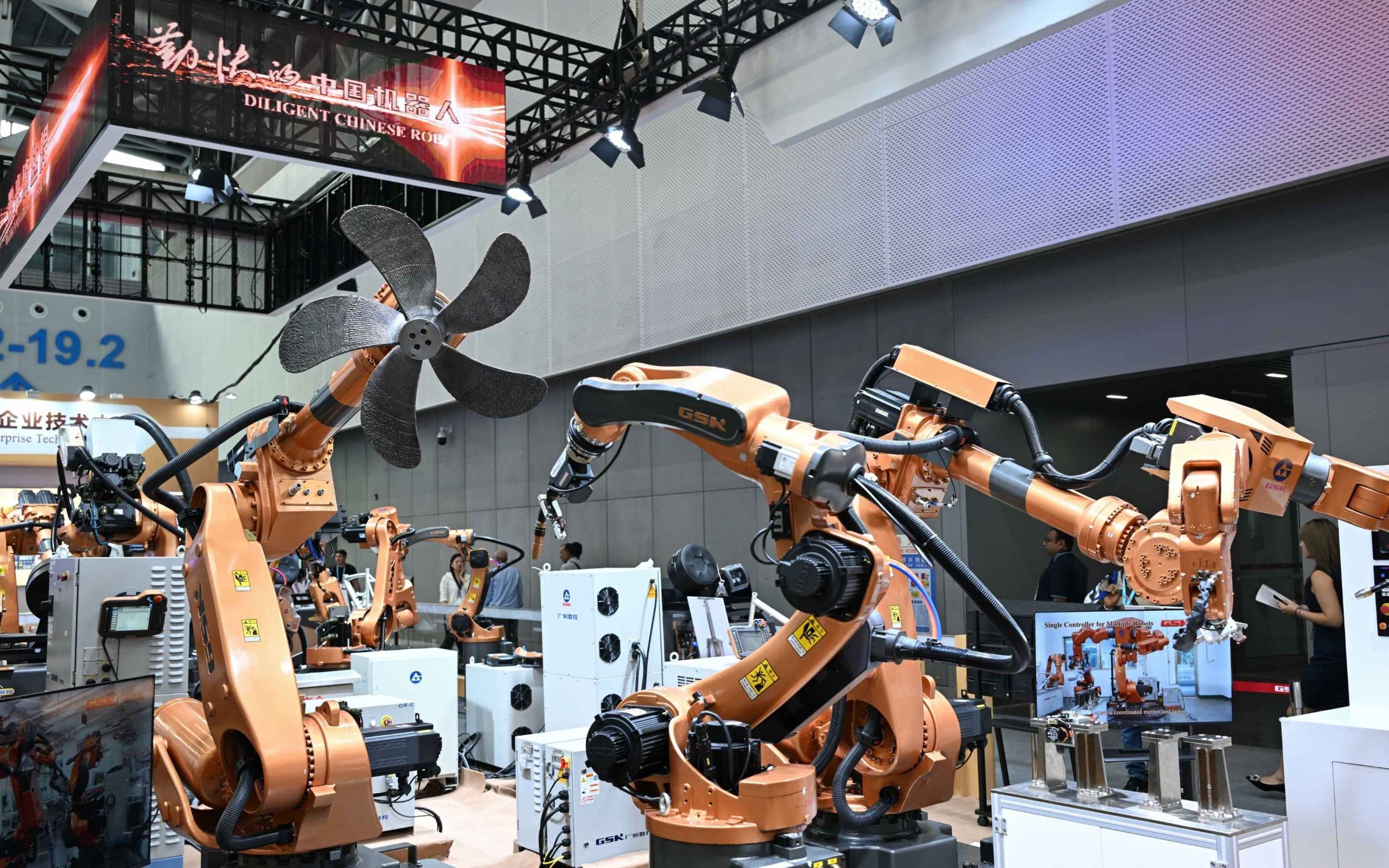
The central government has published a new blueprint aimed at supporting the construction of international science and technology centres in the Greater Bay Area (GBA), Beijing and Shanghai by bolstering the country’s financial system and resource allocation.
According to the document – published on 19 October 2026 – the authorities intend to establish a financial service system for tech innovation by 2030. Additionally, the People’s Bank of China (PBOC), along with 10 other government departments that jointly published the paper, mentioned the goal of “noticeably boosting” the proportion of direct financing, and creating an integrated pattern of regional financial services.
By 2035, China hopes to build a sci-tech financial system compatible with the needs of world-class technological innovation centres. On top of this, the country intends to secure coordinated development of direct and indirect financing, in addition to achieving a high degree of compatibility between financial supply and the demand for technological innovation.
Regional focus: GBA, Beijing-Tianjin-Hebei and Shanghai
The government’s new blueprint also maps out the positioning of the three mega regions. The GBA will be positioned as an open technology finance system focused on strengthening regulatory alignment and financial interaction between Guangdong, Hong Kong and Macao.
Meanwhile, the Beijing-Tianjin-Hebei region will prioritise original innovation and coordinated regional innovation, with a focus on boosting financial support for the construction of tech innovation clusters and major tech infrastructure.
In addition, Shanghai will leverage the industrial clusters of the Yangtze River Delta to construct a tech finance service ecosystem that promotes integration between components such as innovation, industry, capital and talent.
Key guidelines to develop GBA sci-tech innovation
The blueprint sets out a number of general guidelines to help achieve its targets. For example, it calls for financial resources to be concentrated across the three mega regions, with the GBA serving as a global hub for industry finance and patient capital.
To this end, the document mentions leveraging Hong Kong’s status as an international finance centre and the GBA’s advantages as an international financial hub, fasttracking the Shenzhen Stock Exchange’s development of an innovative global assets allocation platform and supporting the GBA’s financial integration with Hong Kong and Macao.
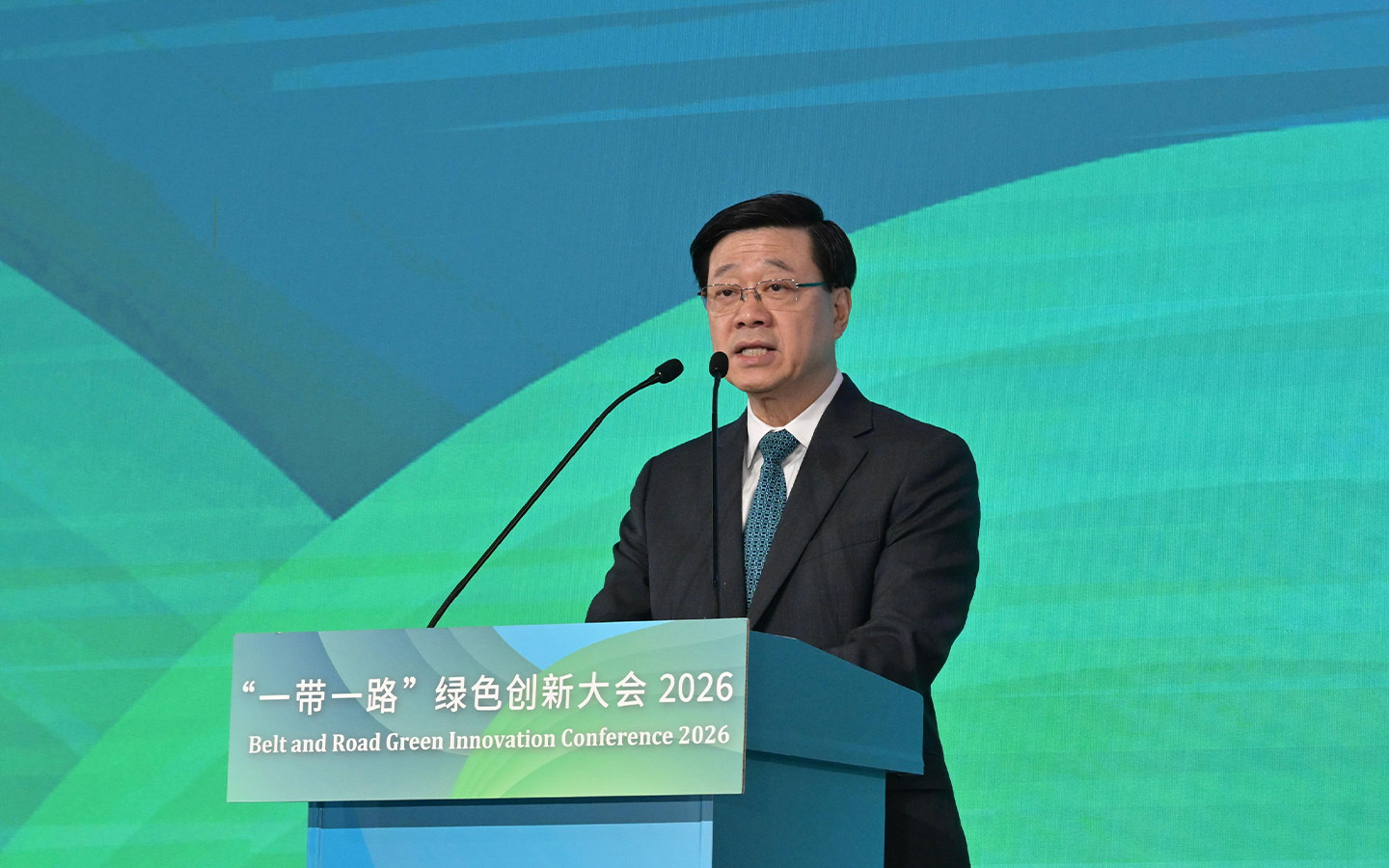
[See more: Hong Kong hosts Belt and Road Green Innovation Conference 2026]
Other key measures intended to bolster GBA sci-tech innovation include supporting pilot programmes in cooperation zones such as Qianhai, Hetao, Nansha and Hengqin; establishing even closer economic and trade ties between mainland China and the SARs through the free trade agreements known as the Closer Economic Partnership Arrangement (CEPA); and promoting the listing of Hong Kong-listed companies on the Shenzhen Stock Exchange.
Additional initiatives mentioned include optimising policy measures for qualified foreign limited partners, simplifying cross-border fund management for multinational tech companies and Chinese tech firms that are seeking financial support for the establishment of an R&D centre overseas.
Policy measures announced at Financial Street Forum
During the Annual Conference of Financial Street Forum 2026 in Beijing on 19 October 2026, Pan Gongsheng, the governor of the PBOC, said that China’s central government treated the construction of the three international sci-tech innovation centres as a “major strategy.”
The PBOC governor noted that the authorities would promote pilot projects across the regions, including policies relating to relending, cross-border investment and financing, as well as the bond market’s sci-tech board.
The initiative to transform the GBA, Beijing and Shanghai into science and technology innovation hubs is not new, as China’s 14th five-year plan (2021-2025), which guided the country’s economic and social development trajectory, made mention of the goal.