The GBA’s GDP grew by 3.9 percent year-on-year, with the economic outputs of Shenzhen, Guangzhou and Hong Kong leading the region
Greater Bay Area’s GDP exceeds 15 trillion yuan for the first time in 2025
Article by:
PUBLISHED:
The gross domestic product (GDP) of China’s Greater Bay Area (GBA) surpassed 15 trillion yuan (US$2.25 trillion) for the first time in 2025, up 3.9 percent year-on-year. That’s according to the Report on Reform and Innovation of Guangdong-Hong Kong-Macao GBA in China (2026), which was unveiled at an event in Guangzhou on 27 October 2026.
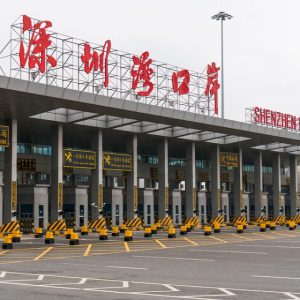
Based on preliminary calculations, the GBA’s GDP in 2025 stood at 15.36 trillion yuan, an increase of 536.7 billion yuan in comparison to the 2024 total. This figure, which combines the economic outputs of nine Guangdong cities and the two SARs of Hong Kong and Macao, was slightly higher than Guangdong province’s overall GDP of 14.58 trillion yuan in 2025.
Significantly, the GBA managed to make up roughly 11 percent of China’s entire GDP in 2025, despite only accounting for 0.6 percent of the nation’s land mass.
Shenzhen, Guangzhou and Hong Kong top GBA’s GDP ranking
Among the 11 GBA cities, Shenzhen, Guangzhou and Hong Kong topped the rankings in total GDP, according to report data cited by Nanfang Daily on 29 October 2026.
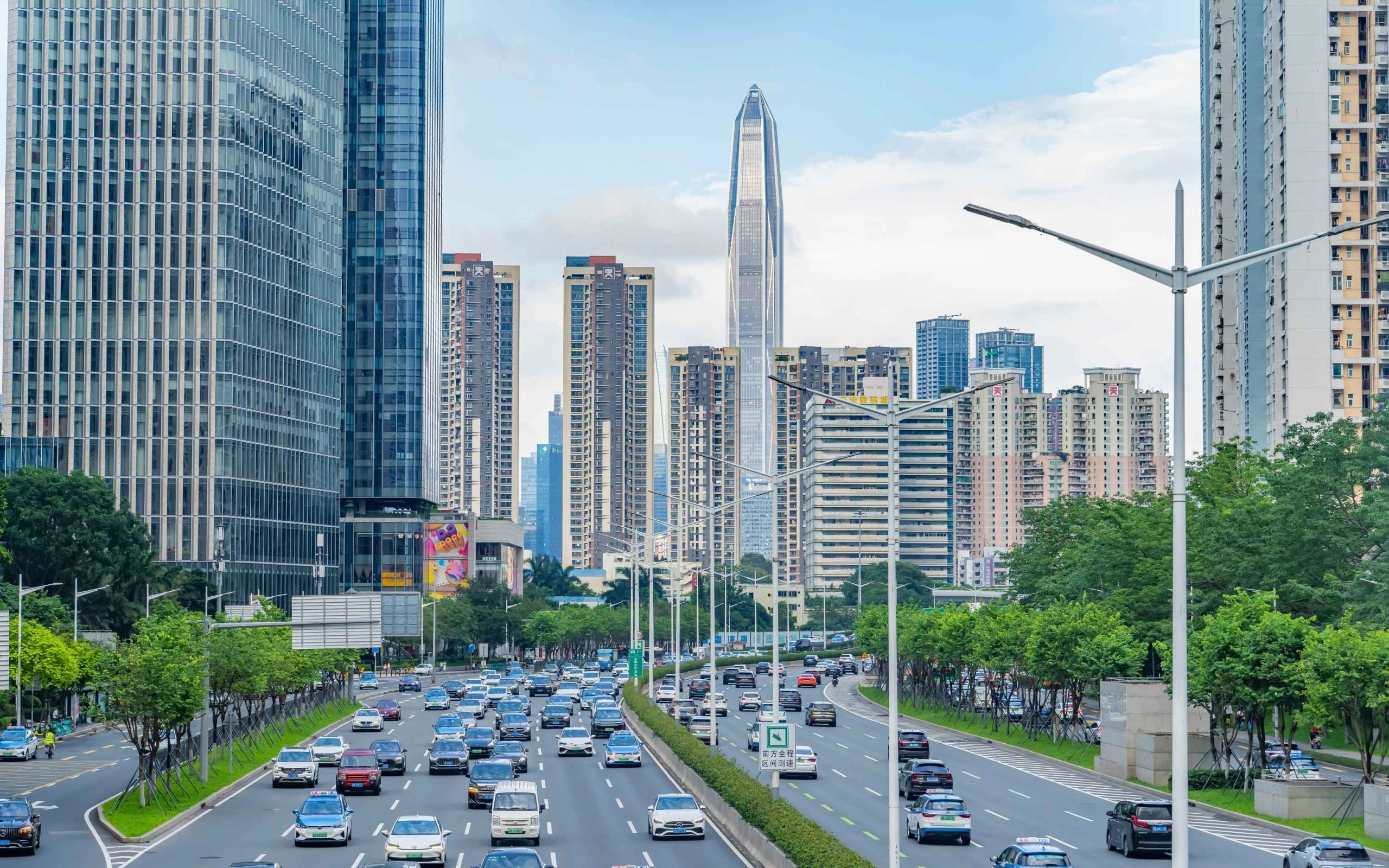
The Guangzhou-based media outlet noted that Shenzhen led the pack for the ninth consecutive year, with its 2025 economic output hitting 3.87 trillion yuan, a rise of 193 billion yuan year-on-year. In total, the tech hub accounted for 50.9 percent of the nine mainland Chinese GBA cities’ total economic growth.
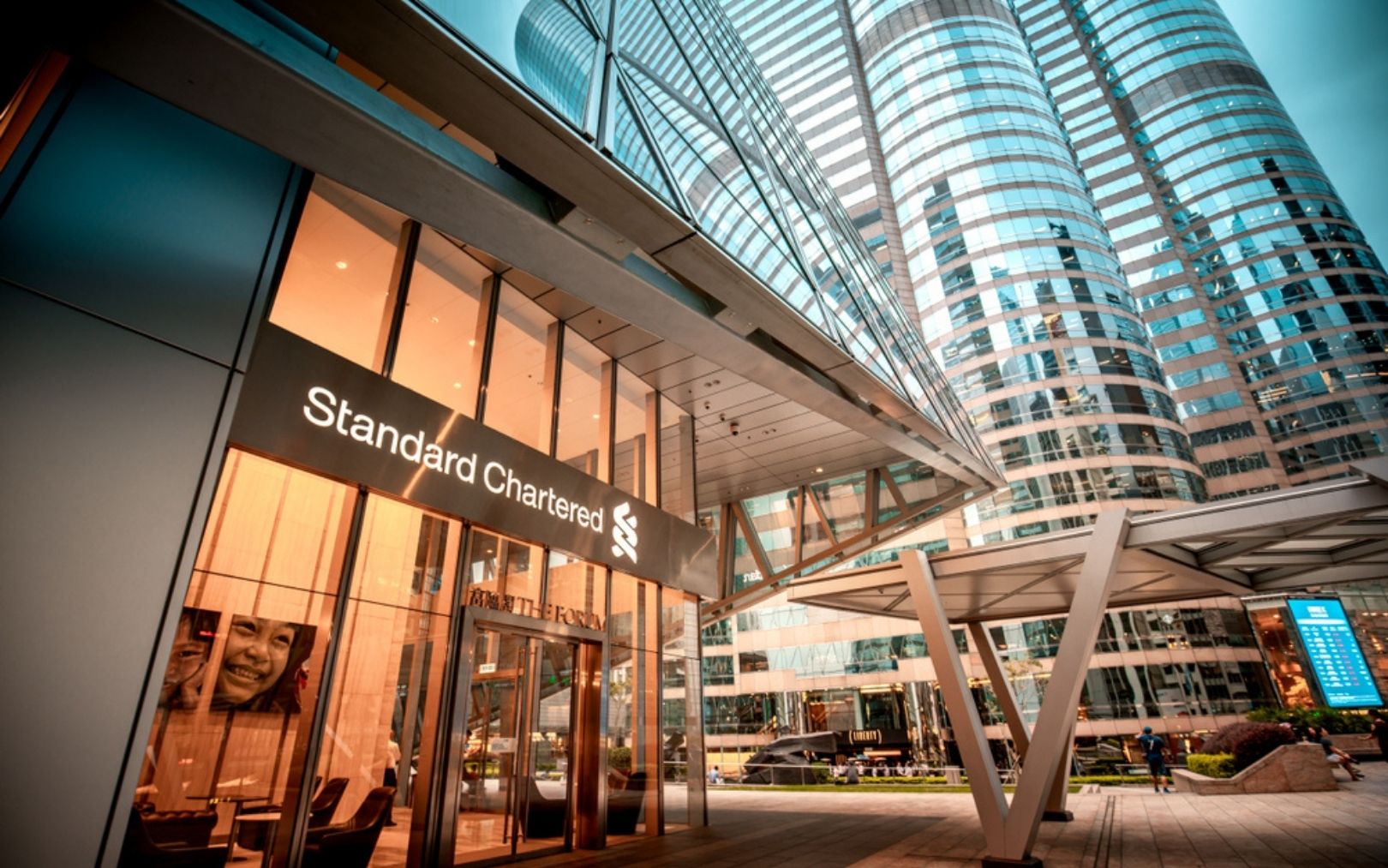
Hong Kong’s economy also continued its rapid growth, recording a GDP of 3.07 trillion yuan in 2025. This number represents the first time the SAR’s economic output has exceeded the 3 trillion mark and marks a rebound for the territory, with its GDP once again making up around 20 percent of the GBA’s total economy.
Macao leads in GBA’s GDP per capita
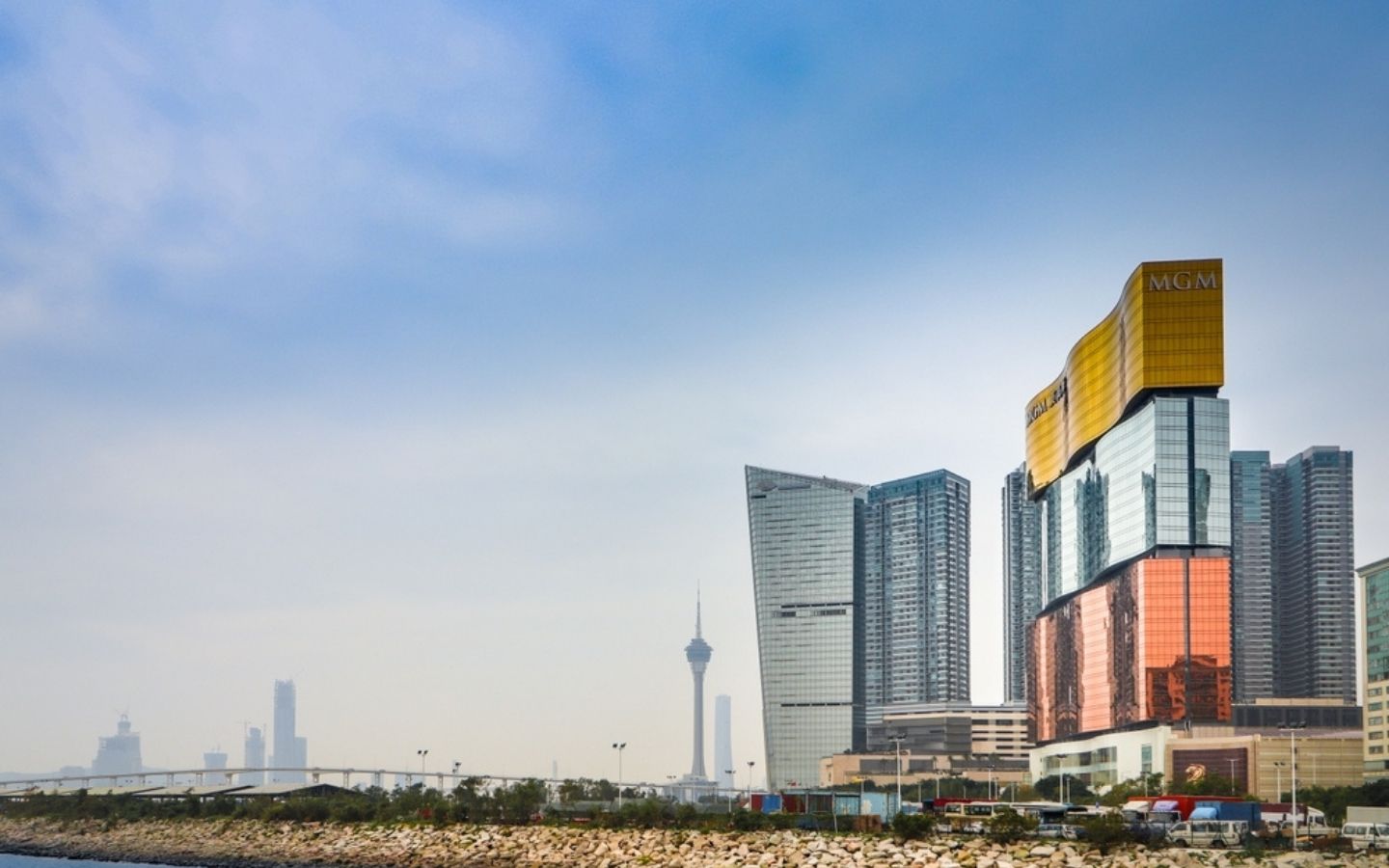
In terms of 2025 GDP per capita, Macao earned first place, logging a figure of 542,500 yuan, up 8.1 percent year-on-year. Hong Kong was in second place, with its GDP per capita totalling 409,400 yuan, a rise of 4.4 percent in comparison to 2024.
[See more: China unveils new financial guidelines to drive GBA sci-tech innovation by 2030]
The nine GBA cities in Guangdong saw their GDP per capita grow as well, from an average of 145,000 yuan in 2024 to 150,200 yuan in 2025, up 3.3 percent year-on-year.
Despite this, the paper highlighted that the mainland GBA cities’ GDP per capita gap with Hong Kong and Macao had expanded.
GBA economic outlook for 2026
Looking at 2026, the report expects the GBA’s economic growth to rebound, gradually reaching the overall national growth level. Data from China’s National Bureau of Statistics indicates that the country’s overall GDP in the first three quarters of 2026 grew by 4.6 percent year-on-year.
The document mentioned that foreign trade in the GBA would “warm up” in 2026 due to a number of factors. These include the region’s competitive advantage in sectors such as electronic information and new energy, its rapid boosting of exports to members of the Regional Comprehensive Economic Partnership (RCEP) and China’s Belt and Road Initiative in the first quarter, and a restructuring of the world’s supply chains that will bring in more high-end manufacturing orders to the area.
Additionally, the GBA will benefit from Guangdong’s plan to invest 1.05 trillion yuan on major projects in 2026 out of an 8.6 trillion yuan in total planned investment, with these initiatives covering fields such as new infrastructure construction and high-end manufacturing within the GBA.
Technology is also playing a key role in the GBA’s economic development, with the report pointing out that financing was pronounced in areas such as AI and semiconductors.
Challenges faced by the GBA
At the same time, the report discussed the challenges confronting the GBA, including the systemic differences that impact the drive among the various cities to actively take part in innovation.
Despite relatively tight coordinated development between subsidiary companies across the region, the paper acknowledged that there was relatively less collaboration at a city level, with “obvious constraints” in terms of the recognition of resources between Hong Kong, Macao and the nine Guangdong GBA cities, especially in professional certification and the flow of capital.
The report suggested that overcoming the systemic differences would require leveraging Hong Kong’s advantages in foundational research and the Pearl River Delta’s strengths in industrial transformation, as well as using soft connectivity to promote cross-border movement of resources and drive multi-party coordination.