Experts warn that the expansion of invasive pampas grass is damaging biodiversity and exacerbating seasonal allergies.

Article by:
PUBLISHED:
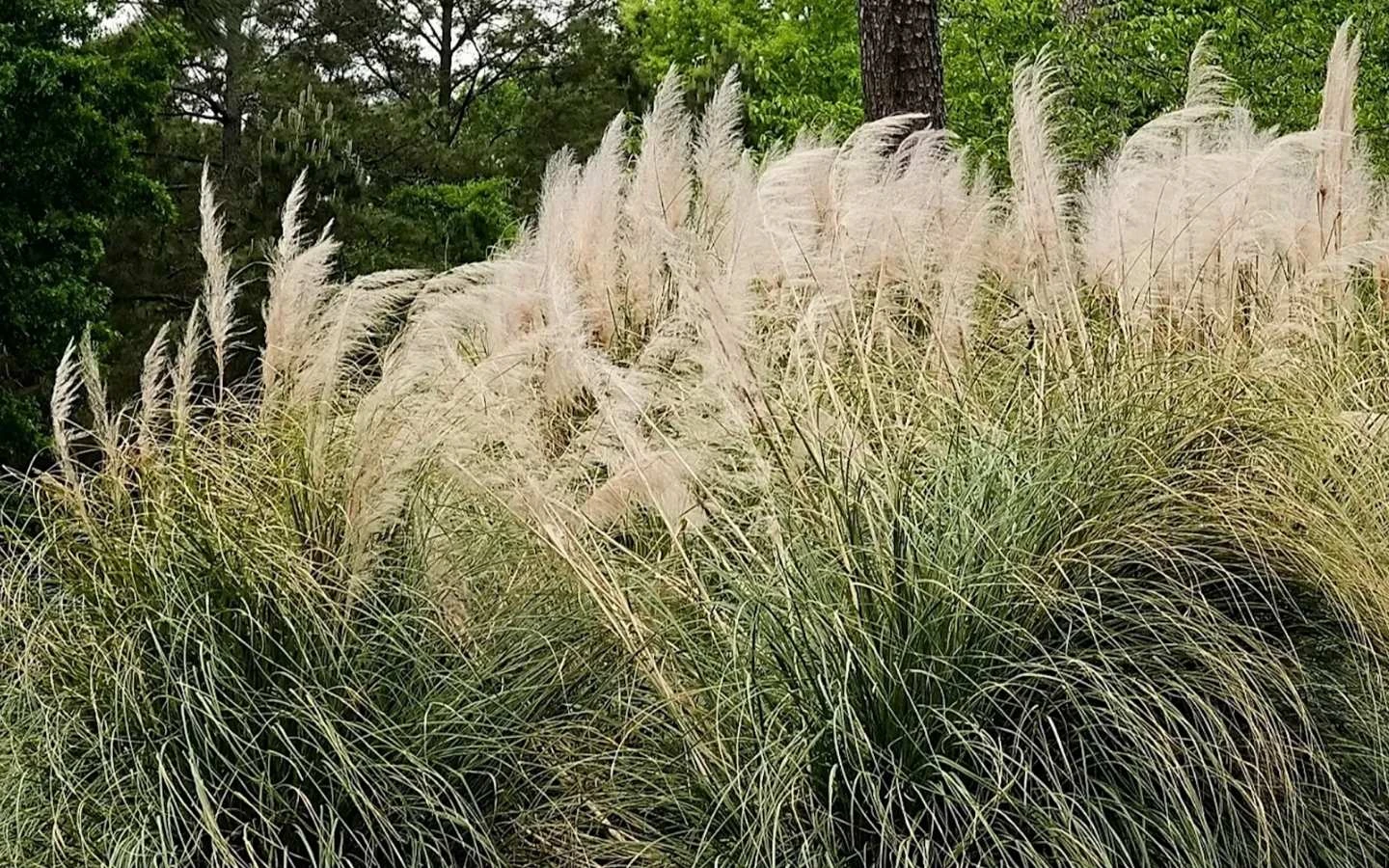
An ornamental species of grass once widely cultivated for its feathery plumes is continuing its relentless advance across Portugal, raising serious alarms among conservationists and health specialists alike.
Known scientifically as Cortaderia selloana, invasive pampas grass has now established a presence in at least 208 municipalities throughout mainland Portugal, according to a 2025 study cited by Euronews. Its expansion is particularly pronounced in coastal regions, where isolated specimens frequently evolve into dense, impenetrable stands.
[See more: Portugal proposes EU funding for livestock grazing to prevent wildfires]
Originally imported from South America as a decorative garden plant, the species accelerated its colonisation after pollen-producing plants emerged, enabling mass seed production.
Biologist Hélia Marchante from the Polytechnic University of Coimbra told Euronews that the plant disperses rapidly via the wind during its flowering period. Thousands of microscopic seeds travel significant distances, while human activity – such as harvesting plumes for ornamentation or inadvertently transporting seeds on clothing, vehicles, and equipment – further accelerates its distribution.
Once rooted, invasive pampas grass outcompetes native flora, stifling vegetation and impeding local wildlife movement. Furthermore, scientific studies indicate that the species fundamentally alters soil composition, nutrient cycles, and subterranean microorganisms vital for regional ecosystems.
Beyond environmental degradation, the plant poses public health challenges. Mário Morais de Almeida, president of the World Allergy Organisation and an immunoallergology specialist, told Euronews that the species releases copious amounts of pollen capable of triggering severe allergic reactions in sensitised individuals, including conjunctivitis, rhinitis, and asthma attacks.
This allergen exposure is frequently prolonged beyond traditional spring and early summer periods into late summer and autumn, Euronews says. Although direct epidemiological data quantifying exact allergy cases attributable to the plant in Portugal remain limited, authorities classified the species on the national invasive list in 2019, strictly banning its sale, planting, and introduction to the wild.
However, effective containment will demand coordinated funding and urgent eradication of isolated clusters before new invasion fronts emerge.