President Daniel Chapo has launched a strategic collaboration with Brazil to modernise Mozambique's farming sector
Article by:
PUBLISHED:
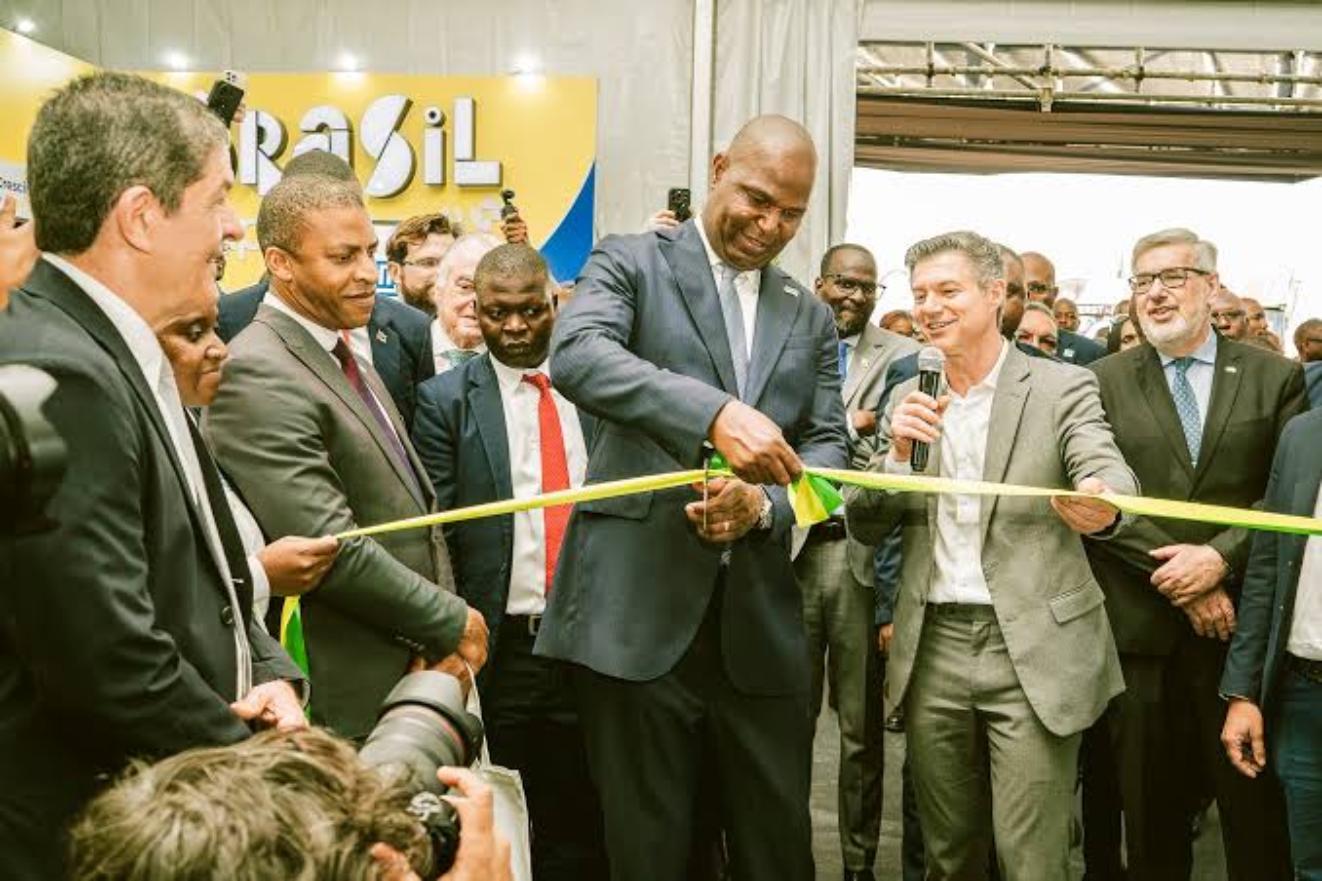
At the opening of the 61st Maputo International Trade Fair, FACIM, Mozambican President Daniel Chapo announced an ambitious roadmap to increase domestic food production. Central to this vision is a newly strengthened Mozambique-Brazil agricultural partnership, designed to leverage Brazilian expertise to revolutionise the country’s rural economy.
According to a media report, the government’s primary goal is to harness advanced technology to boost agricultural productivity, modernise industry, and connect producers with markets. President Chapo underscored that this Mozambique-Brazil agricultural partnership is essential for creating conditions that attract private investment, particularly from farmers and companies capable of operating at a commercial scale. Crucially, he emphasised that the objective is to enhance domestic output without sidelining smallholder farmers, who continue to provide the bulk of the food consumed within the national market.
Despite having vast agricultural potential, Mozambique remains a net food importer. In 2024, the nation imported around US$1.8 billion in essential food products, including wheat, rice, and cooking oil. With a population of 34.6 million and more than 36 million hectares of arable land, there is a clear opportunity for growth. However, agriculture, which provides income for more than 70 percent of the population, currently suffers from low productivity. Estimates from international institutions suggest that only 5.5 million to 5.6 million hectares are actively under cultivation.
The Mozambique-Brazil agricultural partnership will rely heavily on cooperation with the Brazilian Agricultural Research Corporation, Embrapa. This institution, globally recognised for its research in the tropical world, will play a pivotal role in the strategy. The plan includes the rigorous training of Mozambican technicians, the adaptation of farming technologies to local conditions, and testing crop varieties specifically developed in Brazil.
[See more: COFCO’s sugar expansion sees Chinese giant acquire new Brazilian mills]
Ana Euler, director of Social Innovation and Technology Transfer at Embrapa, stated that the initial phase must prioritise human resource development. She argued that simply importing seeds or technology is insufficient; instead, technicians must be skilled in adapting these solutions to local soil types, climates, and specific farming needs.
Another pillar of this collaboration involves the use of approximately 150 public-domain food varieties developed by Embrapa, including biofortified materials for maize, beans, and cassava. By fostering this deep technical exchange, the initiative aims to build a resilient, productive agricultural foundation.