A fresh selection of cultural and architectural milestones aims to draw travellers beyond traditional hotspots like Lisbon, Porto, and the Algarve.
Article by:
PUBLISHED:
Portugal has officially unveiled a fresh set of historical and cultural landmarks under the Seven Wonders of Portugal initiative, designed to encourage international and domestic visitors to explore lesser-known regions.
Announced on 12 September at the National Palace of Sintra, the results of the 2026 competition arrive 19 years after the nation selected its inaugural list in 2007. According to a travel media report, this edition is dedicated entirely to built heritage with entries across seven distinct categories: Castles, Religion, History, Great Works, 20th Century, 21st Century, and Tourism. The newly selected locations span a wide spectrum of Portuguese history and geography.
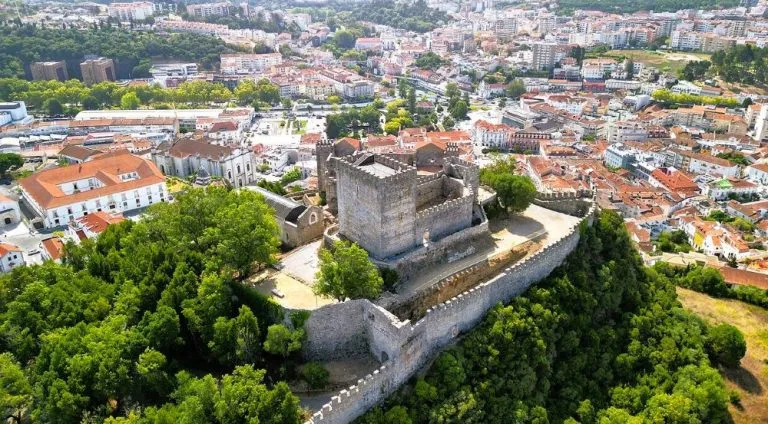
Central Portugal’s Leiria Castle, a medieval stronghold linked to the Christian reconquest and King Afonso Henriques, secured a place alongside the Roman Ruins of São Cucufate in Vila de Frades, Alentejo, which date to around 360.
[See more: Portuguese fashion industry to take centre stage at United Nations showcase]
In the capital, Lisbon Cathedral – also known as the Sé de Lisboa – was recognised as one of the city’s oldest religious structures. Other chosen sites comprise the Usseira Aqueduct in Óbidos, finished in 1570, and the twin red-brick Olhão Municipal Markets in the Algarve, built in 1916.
Modern and landscape achievements were also celebrated, including the Tiago Cabaço Winery in Estremoz, opened in 2004, and the baroque Episcopal Palace Garden in Castelo Branco, established around 1720.
This latest compilation complements the original roster chosen nearly two decades ago. In 2007, public attention centred on iconic royal, military, and religious monuments tied to the founding of the kingdom and its maritime expansion, such as Guimarães Castle, Óbidos Castle, Belém Tower, Pena National Palace, and the historic monasteries of Alcobaça, Batalha, and Jerónimos.
By contrast, the updated list expands this narrative by integrating Roman archaeology, water infrastructure, urban market architecture, winemaking facilities, and regional gardens.
Organisers and tourism officials anticipate that broadening the Seven Wonders of Portugal will help redistribute tourist traffic and local spending away from heavily visited hubs like Lisbon, Porto, and the Algarve, directing economic benefits towards inland destinations such as Leiria, Castelo Branco, Estremoz, and Vidigueira.