Trade between the two has surged significantly in 2026, setting the stage for the 23rd China-ASEAN Expo in Guangxi this September.

Article by:
PUBLISHED:
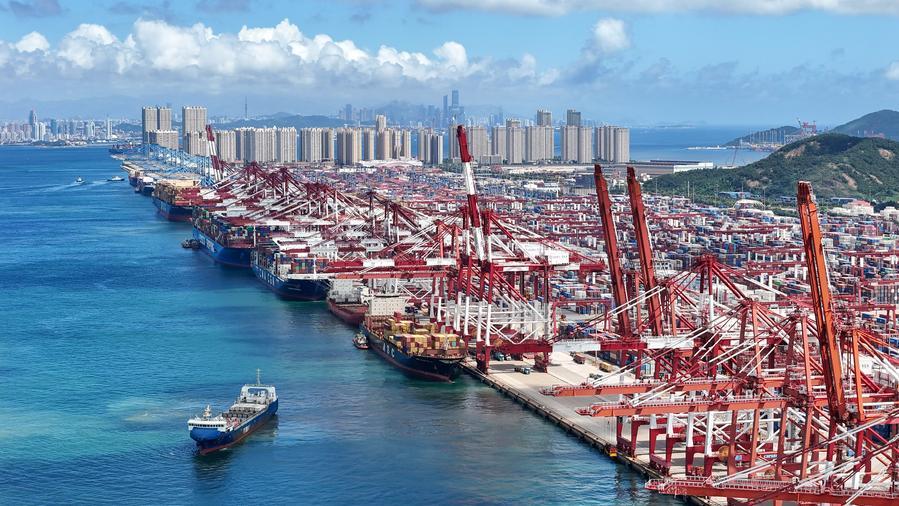
Trade between China and the Association of Southeast Asian Nations (ASEAN) has hit new heights, with official figures highlighting the robust and expanding economic relationship. Last year, bilateral trade surpassed the US$1 trillion mark for the first time, reaching a total of US$1.05 trillion – a year-on-year increase of 7.4 percent. This ongoing China-ASEAN trade growth demonstrates the deep-seated integration between the two economies.
As Vice Minister of Commerce Yan Dong noted on Tuesday, China has now been ASEAN’s largest trading partner for 17 consecutive years, while ASEAN has held the title of China’s biggest trading partner for six successive years. The momentum has not slowed in 2026. In the first seven months of the year, trade reached US$744.41 billion, marking a substantial increase of 24.7 percent year on year. This volume now accounts for 21.8 percent of China’s total foreign trade, the Xinhua news agency reports.
This period of sustained China-ASEAN trade growth is mirrored in investment cooperation. As of July 2026, cumulative two-way investment and the turnover of Chinese enterprises’ contracted projects within ASEAN nations have exceeded US$515 billion.
These figures serve as a prelude to the 23rd China-ASEAN Expo, scheduled to take place in Nanning, the capital of the Guangxi Zhuang Autonomous Region, from 17 to 21 September. The event is set to host more than 2,200 Chinese enterprises and nearly 1,000 companies from ASEAN nations, Xinhua says.
[See more: China manufacturing PMI edges higher as industrial sector shows resilience in August]
Organisers have introduced a new dedicated exhibition area to showcase the specific technological and application needs of ASEAN countries, facilitating precise business matching. Furthermore, the expo will upgrade its artificial intelligence (AI) exhibition zone, which debuted last year. A new “AI marketplace” will also launch, featuring over 400 product models for on-site trials and direct purchase, underscoring the role of innovation in driving China-ASEAN trade growth.
Looking ahead, officials are focused on the implementation of the China-ASEAN Free Trade Area 3.0 Upgrade Protocol, which was signed in October 2025.
Wang Liping, an official with the Ministry of Commerce, told Xinhua that future cooperation will prioritise digital economy and green development initiatives. By expanding imports of high-quality goods and pushing for greater synergy in services and digital trade, authorities are committed to ensuring that China-ASEAN trade growth remains a durable engine for regional prosperity.