Hong Kong’s first astronaut, Lai Ka-ying, supported the operation as crewmates repaired the station’s solar panels
Shenzhou-23 crew completes mission’s first spacewalk
Article by:
PUBLISHED:
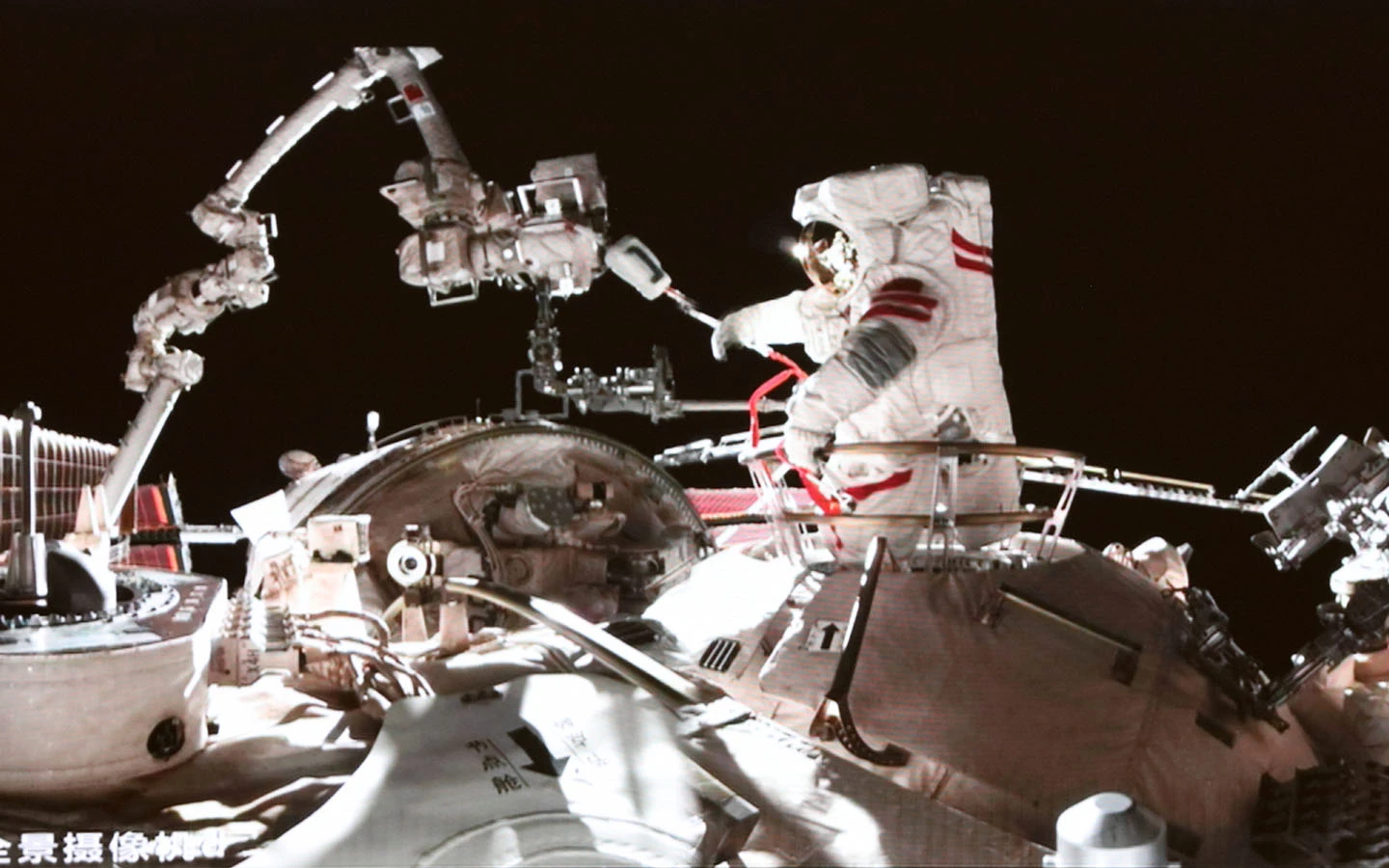
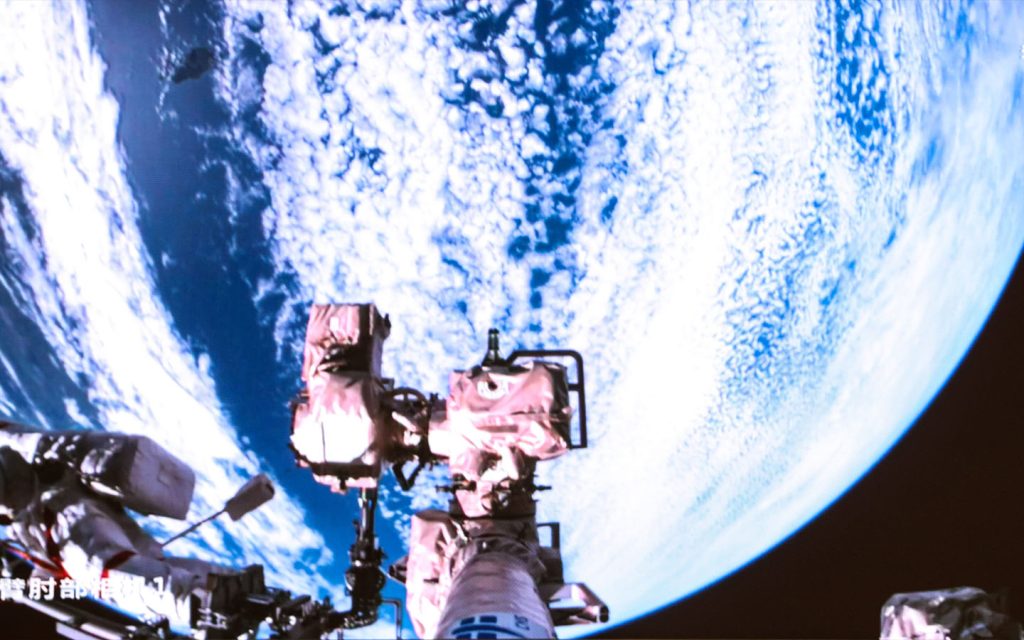
The Shenzhou-23 crew aboard China’s Tiangong space station completed their mission’s first spacewalk on 28 August, according to the China Manned Space Agency. Lai Ka-ying, the first Hong Kong-born person selected as a Chinese astronaut, took part in the roughly 5.5-hour operation.
What did the crew accomplish?
Crewmates Zhu Yangzhu and Zhang Zhiyuan carried out the spacewalk itself, installing debris shields and repairing the station’s solar panels to maintain its power supply, work the agency described as only the second such in-orbit maintenance task Chinese astronauts have performed.
[See more: Hong Kong’s first astronaut blasts off for the Tiangong space station]
Zhu previously spacewalked three years ago; this was Zhang’s first time outside the station. The full crew, assisted by the station’s robotic arm and ground teams, completed their tasks by 1:59 pm Beijing time.
Who is Lai Ka-ying?
Lai serves as the mission’s payload specialist, having earned her bachelor’s, master’s and PhD degrees in computer science from the University of Hong Kong before working as a police superintendent. She is China’s first female payload specialist and the first Hong Kong-born astronaut to fly a mission. On the station, she also operates a Hong Kong developed instrument, a compact greenhouse gas detector built by a team led by HKUST, mounted outside the station’s Mengtian lab module.
What’s next for the mission?
The Shenzhou-23 crew launched on 24 May and has already carried out an in-orbit handover with the previous crew, deployed payloads outside the station, and run rendezvous, medical rescue and emergency pressure drills. Their coming months include further scientific experiments, additional payload deployments, and public outreach activities, according to the agency.