Zurich and Monaco climbed the rankings on currency strength, while Hong Kong and London both slipped even as the cost of luxury living surged worldwide
Hong Kong drops to fourth place as Singapore holds top spot in luxury living costs
Article by:
PUBLISHED:
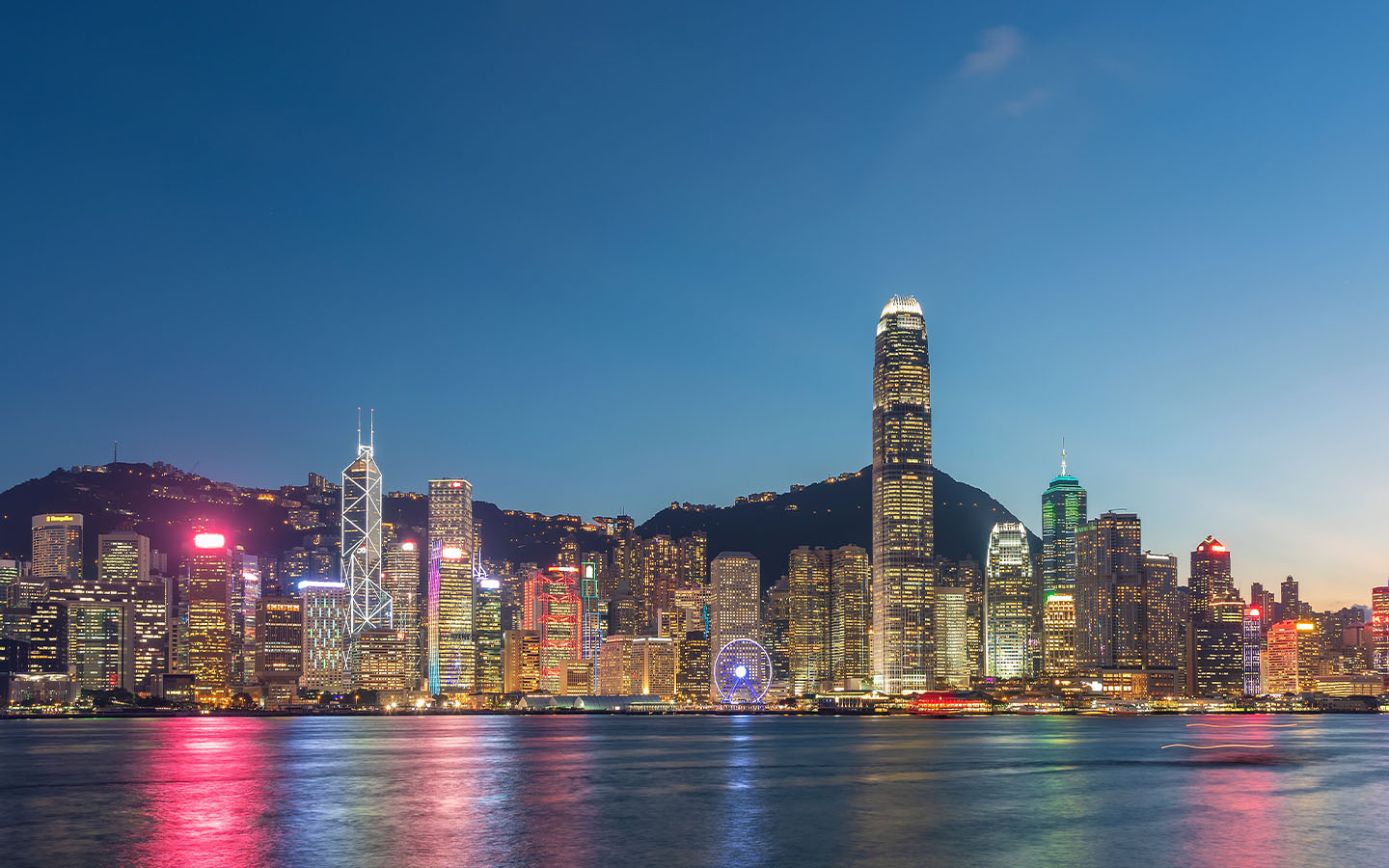
Hong Kong slipped one place to fourth on Julius Baer’s ranking of the world’s most expensive cities for wealthy residents, its second straight year losing ground after falling from second to third in 2025.
Zurich moved up three places to second, lifted by the Swiss franc’s strength against the US dollar rather than any real jump in local prices. Monaco cracked the top three as well, a first for the principality, helped along by the euro and some of the world’s priciest real estate. London finished fifth, well off the near-top position it held last year.
[See more: Hong Kong’s assets under management reach a record high]
The Julius Baer Lifestyle Index of the world’s most expensive cities, published on 7 July, tracks the cost of 20 goods and services tied to a premium lifestyle across 25 cities worldwide, including property, cars, school fees and fine dining. Costs for maintaining that lifestyle rose 10.2 percent on average in US dollar terms over the past year, a jump the bank attributed largely to currency swings rather than straightforward inflation.
World’s most expensive cities: currency a factor
Singapore’s grip on first place comes down to the high cost of residential property and cars, compounded by a Singapore dollar that continues to strengthen. Christian Gattiker, Julius Baer’s head of research, said currency has again been the dominant factor behind this year’s rankings.
Asia Pacific took three other places in the world’s most expensive cities top 10, alongside Singapore and Hong Kong: Shanghai, Sydney and Bangkok. Sydney climbed six places to eighth, the biggest mover in the region, driven by a strong Australian dollar and higher import costs for premium goods.
Luxury goods costs meanwhile rose sharply worldwide, with jewellery up 16.4 percent and watches up 15.5 percent, according to the index, partly reflecting a doubling in gold prices since 2024.