The bilingual public sign law introduces eight categories of public venues that must display foreign language signs
Shenzhen aims to improve bilingual public signs ahead of APEC 2026
Article by:
PUBLISHED:
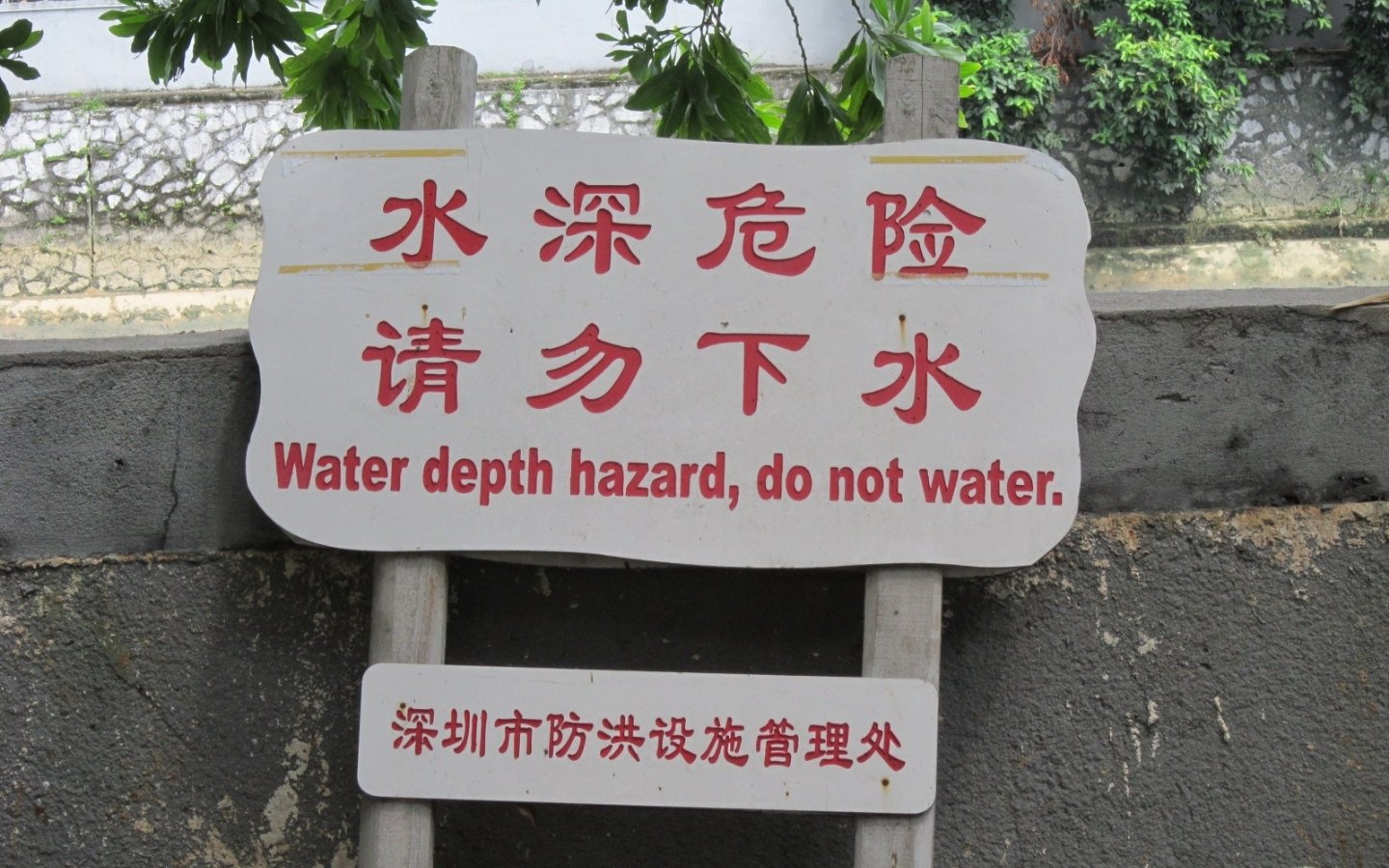
Shenzhen’s lawmaking body approved a new law on 1 September 2026 that aims to standardise the use and management of bilingual Chinese-English public signs across the city.
The legislation, which came into effect immediately, is part of a broader effort to make Shenzhen a more welcoming city for international visitors ahead of its hosting of the 33rd Asia-Pacific Economic Cooperation (APEC) Economic Leaders’ meeting in November 2026.
What key guidelines does the new law mention?
According to Shenzhen Special Zone Daily, the law requires eight types of public venues to be equipped with public foreign language signs. They include government service centres; transport hubs and public transport facilities such as border crossings, urban roads, civilian airports, train stations, ports, metro stations and bus stations; parks, major tourist attractions and hotels with a three-star rating or above; public medical institutions; public cultural and sports facilities, and international convention and exhibition centres; emergency shelters; public sanitation facilities; and other public facilities that authorities believe should have bilingual signage.
[See more: Shenzhen ranked as China’s third most globally influential city]
The law states that bilingual public signs in Shenzhen are required to feature Chinese as their foundational text, with English serving as the main foreign language. However, the relevant parties are permitted to use other foreign languages in situations where necessary.
How does the law intend to fix language errors on bilingual public signs?
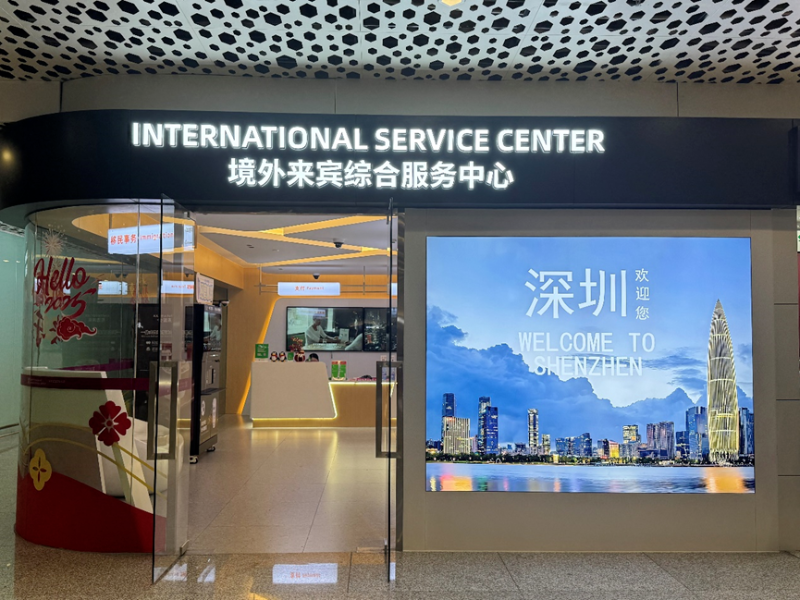
Shenzhen’s new legislation seeks to fix erroneous and stilted foreign language translations on public signs by requiring the municipal department in charge of such signage to formulate and publish their standards and translation methods.
As well, the authorities are planning to improve the information platform for public foreign language signs, providing services such as translation checking, correction and filing. Based on the new law, public venue management entities are required to submit information relating to their foreign language signs to the platform three working days before installation.
Residents are invited to assist as well by reporting poor translations through the platform, with the authorities required to offer a response within 10 working days. The legislation also establishes an expert advisory panel, requiring venue operators to update and repair signs.
What steps has Shenzhen taken in the past to standardise foreign language use?
The current law is a follow up to guidelines that the Shenzhen government’s Foreign Affairs Office introduced in 2013 to regulate the translation and use of English in public signs.
Ahead of the APEC summit, the Shenzhen government corrected over 40,000 foreign language signs between the end of 2025 and May 2026. Similarly, Shenzhen airport installed 367 Chinese-English-Japanese-Korean signs as of June 2026.
Campaigns have been held in recent months to spot problematic signage. For instance, language reviewers took part in an event in Pingshan district on 11 August 2026 to review bilingual public signs at the Shenzhen Natural History Museum and the Pingshan Culture Centre for language mistakes. An earlier activity took place in January 2026, as part of the 2026 Public Foreign-Language Signage Improvement Campaign.
Do other Greater Bay Area cities regulate bilingual public signs?
Shenzhen is not the only city in the Greater Bay Area (GBA) to attempt to standardise its public foreign language signs. On 1 February 2024, Guangzhou enacted a law to regulate the use of foreign language in public signage. The provincial capital has published a document on English usage in bilingual public signs that features a comprehensive list of local place names and other terminologies in Chinese and English.