A national blueprint for 2026–30 prioritises sustainable development, digital transformation and enhanced global connectivity.

Article by:
PUBLISHED:
China’s civil aviation sector is recalibrating its trajectory for the next five years, moving away from a model of rapid expansion towards one defined by quality, efficiency and international competitiveness.
A new development plan for the 2026–30 period, jointly issued by the Civil Aviation Administration of China, the National Development and Reform Commission and the Ministry of Transport, sets ambitious targets for 2030, including world-class safety standards and significant progress in low-carbon development, China Daily reports.
[See more: China’s services sector sees first-half growth despite July moderation]
Han Jun, deputy head of the Civil Aviation Administration of China, stated that China’s civil aviation sector would focus on “smart, green and integrated development,” with safety maintained as the bottom line.
This strategic shift is already becoming apparent in industry performance, China Daily says. In the first half of 2026, total transport turnover rose by 6.4 per cent year-on-year to 83.37 billion ton-kilometres. International routes recorded over 40 million passenger trips – a 5.7 percent increase – while international cargo and mail volume surged by 13.9 percent, reaching 2.32 million metric tonnes.
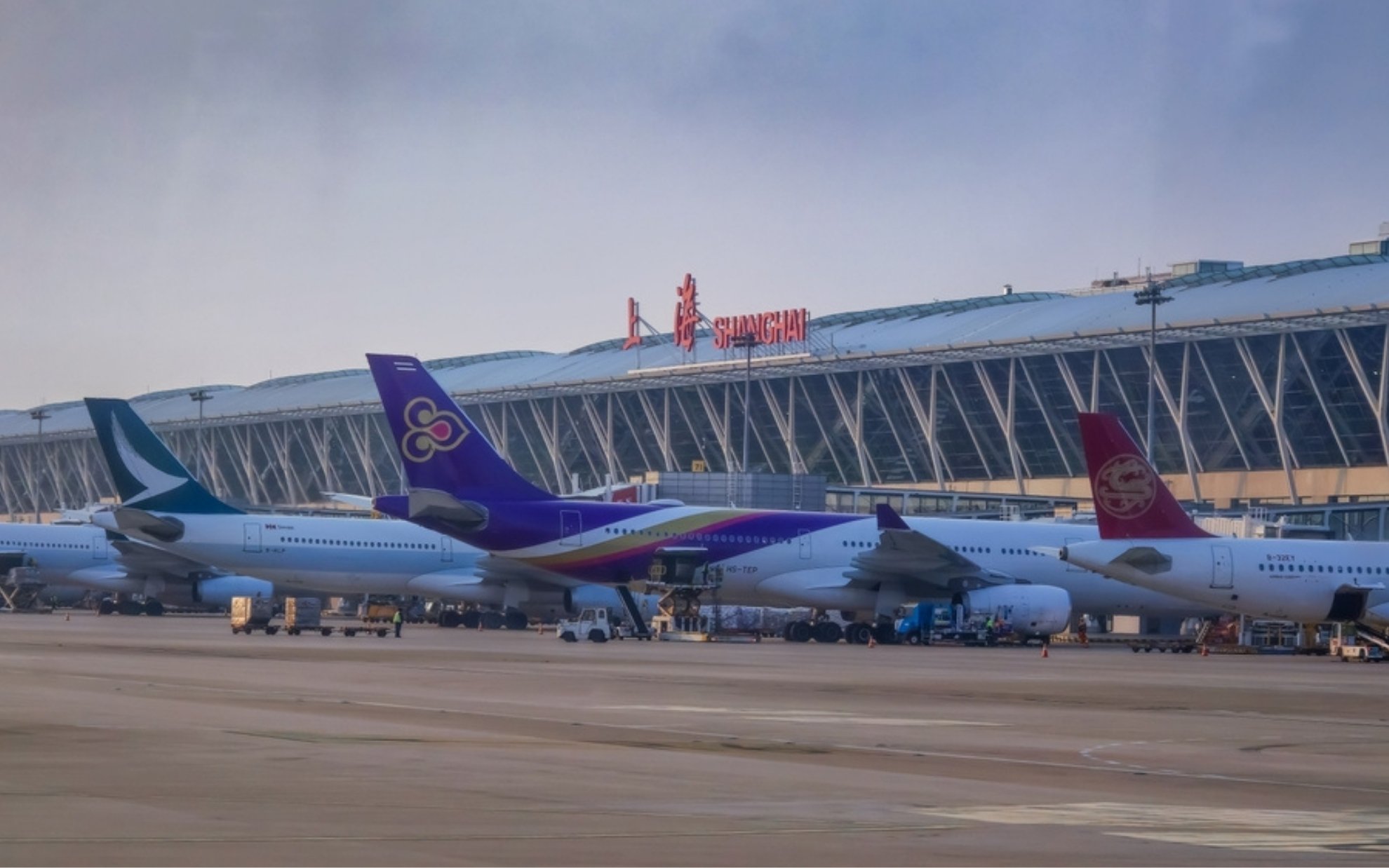
The plan for China’s civil aviation sector emphasises the role of key global gateways, specifically Beijing, Shanghai and Guangzhou, which are expected to bolster their transfer services and support major domestic carriers to better connect with international markets. Currently, China’s international aviation network spans 263 cities across 90 countries.
Sustainability remains a central pillar of the new strategy, reported China Daily. China’s civil aviation sector blueprint advocates for the orderly substitution of fossil fuels and the maturation of an aviation carbon market.
Early indicators show promise: in the first half of 2026, carbon emissions intensity decreased by 4.5 percent for the transport aircraft fleet and by 12.4 percent for airports. Industry analysts note that while digitisation will be vital for improving operational efficiency, sustainable aviation fuel will prove essential to meeting the long-term carbon targets.