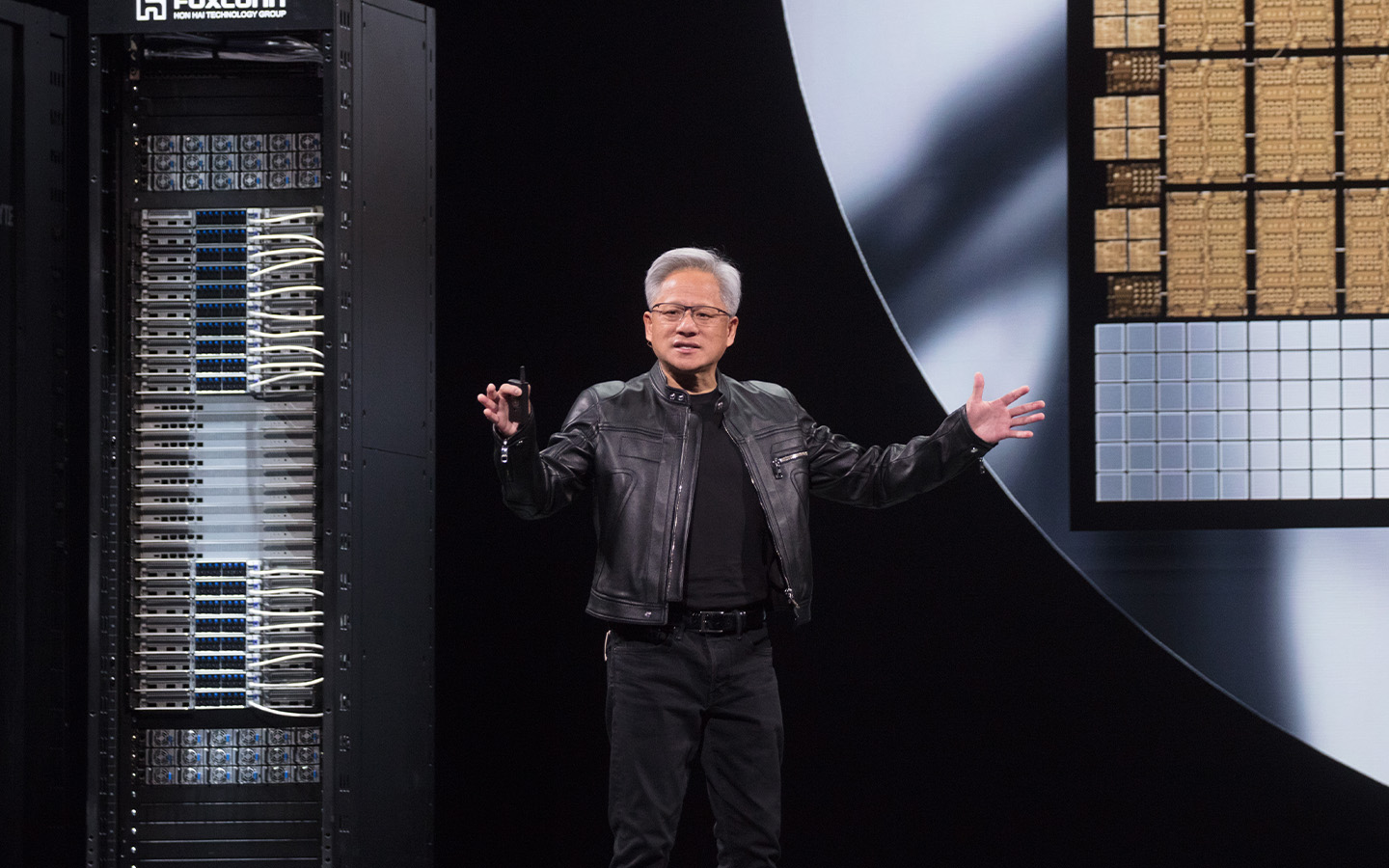
Business groups and analysts express optimism that ongoing dialogue and tariff reduction frameworks will strengthen bilateral economic ties.
Article by:
PUBLISHED:
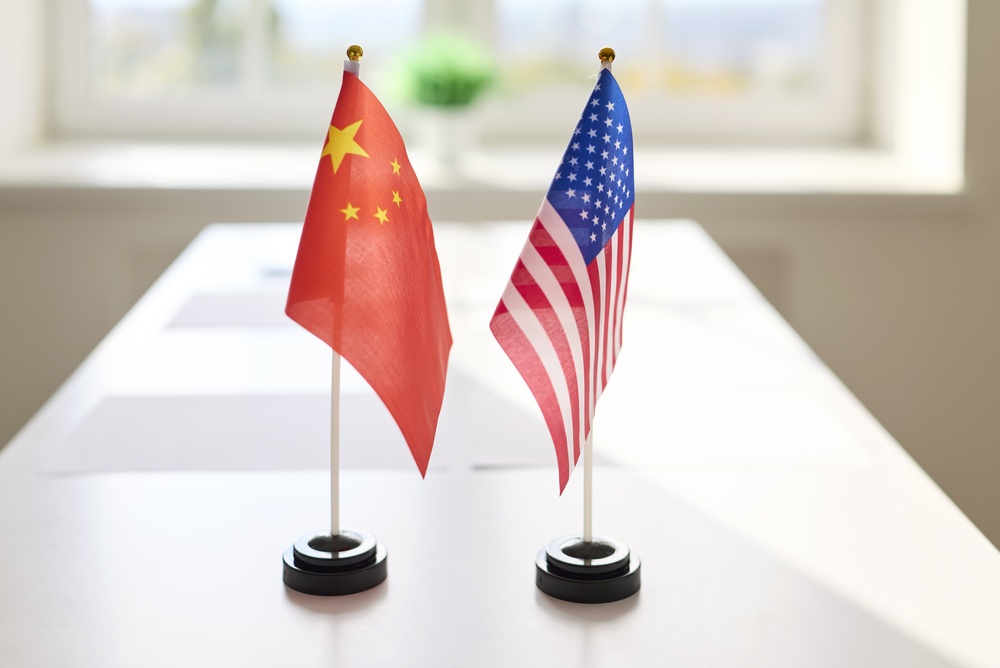
Following the inaugural meeting of the China-US trade council on Friday, business groups and analysts on both sides of the Pacific are keenly awaiting the implementation of earlier trade agreements, while expressing hope that continued dialogue will yield further deliverables for the world’s two largest economies.
A more stable and predictable China-US trade relationship would inject much-needed certainty into international trade and investment, making a greater contribution to global economic recovery and growth, experts told China Daily.
[See more: Hong Kong hosts Belt and Road Green Innovation Conference 2026]
At the council’s first meeting, held via video link on Friday under the China-US economic and trade consultation mechanism, the two sides held candid, in-depth and constructive exchanges on tariffs, the reciprocal tariff reduction arrangement and agricultural trade, according to the Ministry of Commerce on Saturday.
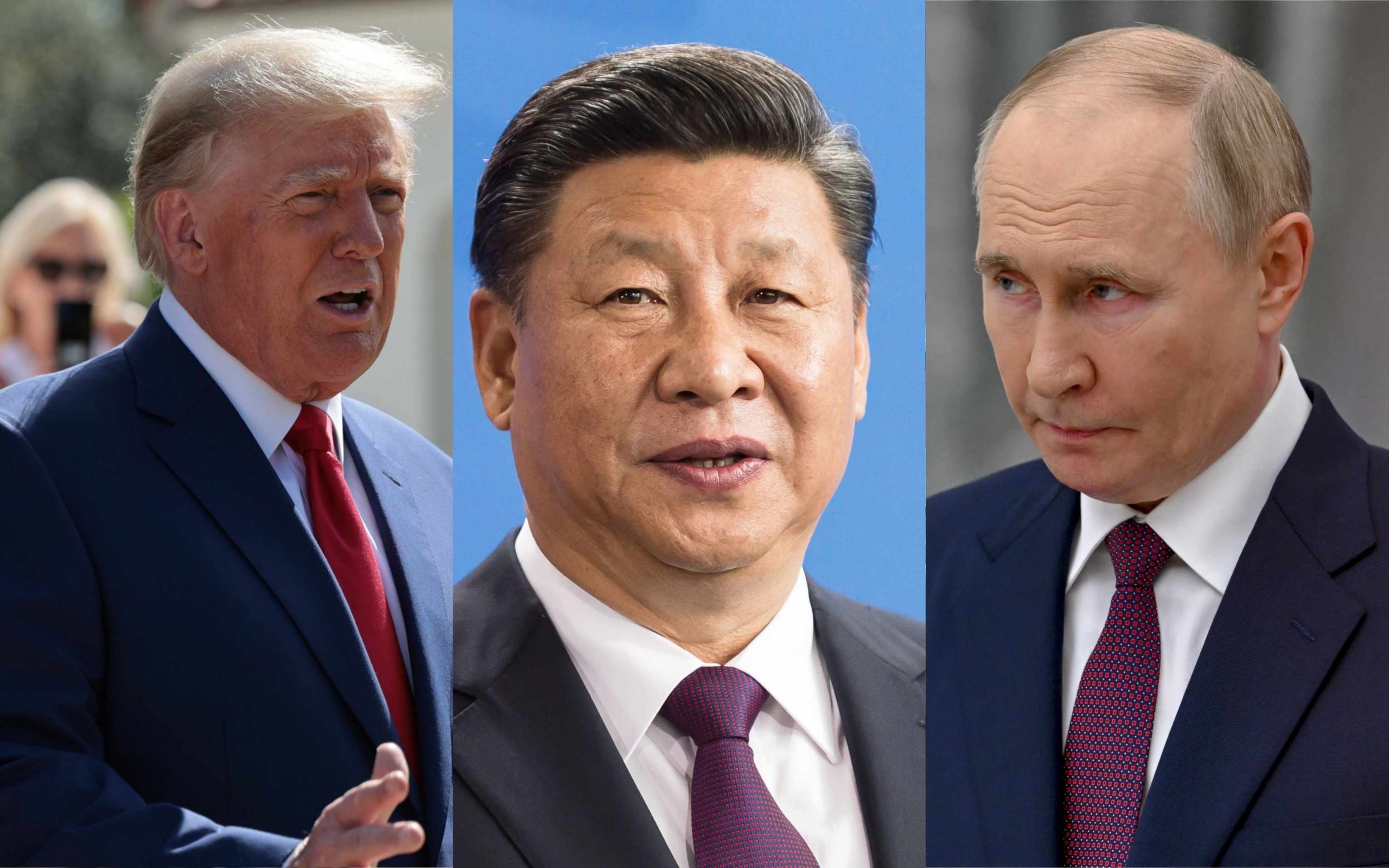
In a post on X following the discussions, the Office of the US Trade Representative stated that the administration of US President Donald Trump looked forward to continued engagement with China to establish fair and balanced trade between the two largest economies in the world.
The trade council was one of the primary outcomes of China-US economic and trade consultations in May. Under its framework, both sides agreed in September to cut tariffs on about US$30 billion worth of each other’s goods, China Daily said.
Business communities in both nations have high expectations for the reciprocal tariff reduction framework, which will help stabilise and expand bilateral trade, said He Yadong, a ministry spokesman, during a news conference on Thursday.
Tariffs continue to raise costs, boost inflation, and depress sales, exports and profits, the US-China Business Council noted in its annual member survey released in June. The survey revealed that 72 percent of respondents were affected by bilateral trade tariffs, marking an increase of 4 percentage points from the previous year.
Dai Mingfeng, a researcher at the Chinese Academy of International Trade and Economic Cooperation, told China Daily that implementing the agreed tariff cuts would help ease cost pressures for businesses and deliver tangible benefits to consumers in both nations. Early and smooth implementation would also help build mutual trust and set a positive precedent for future consultations, Dai added.
[See more: China border crossings surge in third quarter amid foreign tourism boom]
The ministry spokesman also emphasised that both sides remain in close communication regarding the implementation of the arrangement, urging Washington to collaborate with Beijing to bring it into effect swiftly and create more favourable conditions for agricultural trade.
Agriculture has long remained one of the most tangible and mutually beneficial dimensions of China-US economic relations, according to Eric Zheng, president of the American Chamber of Commerce in Shanghai. Similarly, Carlos Salinas, executive director for East Asia at the US Soybean Export Council, expressed strong satisfaction with progress in soybean trade, noting that the current atmosphere is much improved compared to the same period last year.
Luo Zhiheng, chief economist at Yuekai Securities, suggested that both nations could build upon the initial preferential tariff arrangement by extending reductions to a broader range of non-sensitive goods. Meanwhile, American enterprises continue to identify significant opportunities for cooperation, with companies such as audio tech firm Harman International and logistics operator C.H. Robinson highlighting strong commercial ties.