Authorities have introduced a fresh batch of benchmarks to harmonise best practices and boost regional service ecosystems.
Guangdong and SARs release new Greater Bay Area standards
Article by:
PUBLISHED:
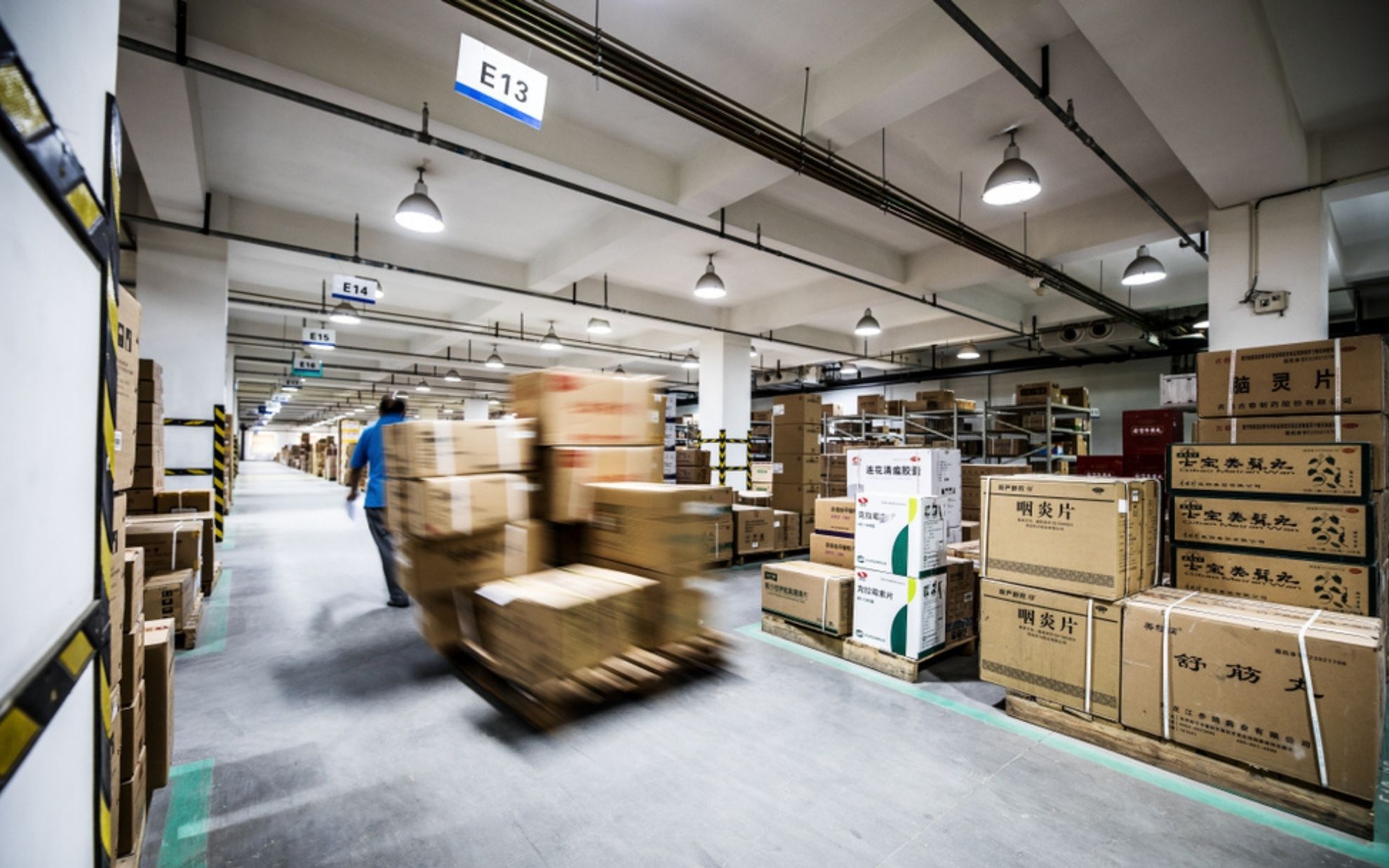
Guangdong province and the Hong Kong and Macao Special Administrative Regions have issued 284 new Greater Bay Area standards aimed at promoting the sharing of best practices and optimising the regional service ecosystem.
These unified benchmarks span multiple vital sectors, including elderly care, retail, and logistics, China Daily reports. They follow an initial batch of 110 benchmarks promulgated in April 2023, which primarily covered food safety, transport, electrical products, and environmental, social and governance criteria.
Expanding regional cooperation through Greater Bay Area standards
Within the elderly care sector, business and social service organisations in Hong Kong and Shenzhen have collaborated to formulate general requirements for age-friendly and easy-to-eat foods. This initiative classifies such products into nine distinct categories, assisting manufacturers in creating items for older adults and fostering fresh growth opportunities for the silver economy.
Meanwhile, leading jewelry companies across the region have contributed to drafting operational guidelines to elevate service quality in retail enterprises, China Daily says.
[See more: Greater Bay Area jargon: 30 key GBA terms explained]
The latest Greater Bay Area standards also address logistics and transport by introducing guidelines for emergency cold-chain distribution, automotive parts logistics, and technical specifications for processing and transporting chilled golden pomfret – a popular fish.
To support broad industrial goals, the Guangdong Administration for Market Regulation reported that the province has helped 50,000 enterprises appoint chief quality officers and established 63 service stations to assist leading value chains. Furthermore, officials have resolved over 320 technical challenges in high-end manufacturing and new materials, helping 1,850 companies overcome operational bottlenecks.
Moving forward, the province intends to leverage leading brands to drive joint quality improvements across upstream and downstream small and medium-sized enterprises, ensuring that Greater Bay Area standards continue to deliver widespread economic benefits.