Chief Executive John Lee has introduced the city’s inaugural medium-term development strategy covering 2026 to 2030.
Hong Kong unveils its first five-year plan
Article by:
PUBLISHED:
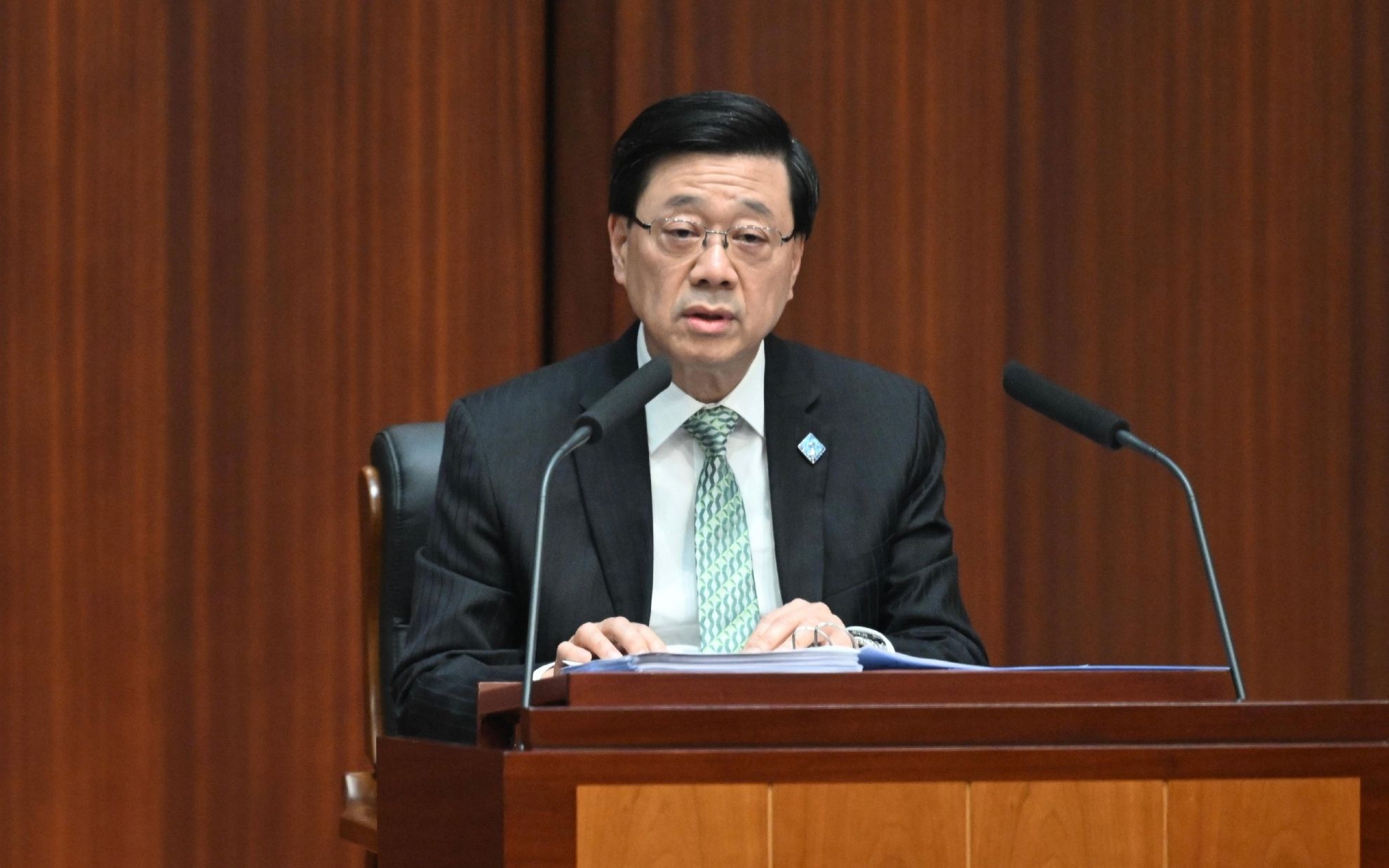
Hong Kong Chief Executive John Lee has formally introduced the First Five-Year Plan for Economic and Social Development of the Hong Kong Special Administrative Region, covering the period from 2026 to 2030. Marking the city’s inaugural medium-term framework, the blueprint establishes a strategic roadmap designed to optimise resource allocation, clarify development directions, and improve public welfare while safeguarding international investment interests.
Central to the initiative is the reinforcement of an executive-led governance system to elevate administrative efficacy and align local policies with national development priorities.
[See more: Paul Chan: Greater Bay Area’s edge lies in combining finance and innovation]
Under the Hong Kong five-year plan, the government aims to consolidate economic expansion by advancing international financial, trade, maritime, and aviation operations alongside accelerating the growth of an international innovation and technology hub. The territory also intends to position itself as a premier destination for global talent, capital, and corporate entities.
“Not only is it an action agenda for Hong Kong to better capitalise on the aggregate advantages arising from national and international opportunities, but also a pathway for continuously enhancing social well-being,” Lee said.
Strategic objectives of the Hong Kong five-year plan
Leveraging its common law structure under the “one country, two systems” framework, Hong Kong plans to expand its role as a global centre for legal and dispute resolution services, mediation, and intellectual property trading. Additional focus areas include establishing the city as an East-meets-West cultural exchange hub, a key venue for international sporting events, and a core zone for multi-destination tourism.
Urban development will centre on constructing a vibrant Northern Metropolis anchored by a university town, technology sectors, and balanced living spaces. Furthermore, the Hong Kong five-year plan prioritises integration within the Greater Bay Area through enhanced physical infrastructure, such as cross-boundary rail networks, and aligned administrative mechanisms. Regional cooperation will extend across healthcare, environmental protection, elderly care, and tourism, complemented by participation in international bodies and the Belt and Road Initiative.
Livelihood commitments form a major cornerstone of the strategy, addressing housing, education, healthcare, youth, women’s development, labour protection, and green transformation. By maintaining a people-oriented approach, the administration says it seeks to foster a more inclusive, open, and prosperous society.