The 19 measures cover items relating to retail spending, tax refund, border crossings and the low-altitude economy
Shenzhen unveils new measures to boost the business environment of its ports
Article by:
PUBLISHED:
The Shenzhen government is introducing 19 measures to improve the commercial environment of the city’s various ports. These initiatives cover key areas such as simplifying border crossings, cross-border low-altitude logistics, and cross-border e-commerce management.
In a statement published on 7 August, Shenzhen’s Port Office and Customs explained that the measures are intended to create a “first-rate business environment” across local ports by continuing to make them more market-oriented, well regulated and internationalised.
What are some of the key measures for Shenzhen ports?
One of the key measures includes improving the level of consumption at Shenzhen’s ports and creating a convenient and internationalised retail environment. To this end, the authorities intend to establish two new duty-free stores for incoming visitors, further optimise departure tax refund services, explore the idea of pick-up service at ports for advanced e-commerce purchases and boost the number of self-service tax refund terminals.
Similarly, the document outlines plans to set up centres at local ports that provide payment support services to international travellers. These facilities will be equipped with ATMs that accept foreign bank cards, facilities for money exchange and multilingual brochures.
Which of the 19 measures improve border crossings at Shenzhen ports?
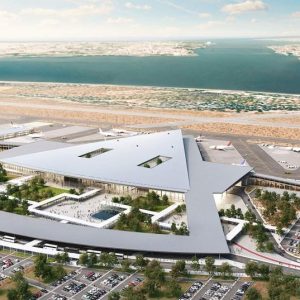
Another measure relates to fast tracking the building of marine and aviation infrastructure. This includes accelerating progress on the first phase of the Yantian Port East Operations Area Project, as well as Shenzhen Airport’s Terminal 2 complex.
Meanwhile, the government is looking to add over 10 new international flight services and five combined inland port shipping routes, while maintaining access to 30 or more sea freight express routes.
[See more: Shenzhen to launch AI platform to help one-person companies]
Improving border crossings is another highlight of the 19 measures for Shenzhen ports. The government plans to achieve this by speeding up the refurbishment of Luohu Port and the rebuilding of the Shatoujiao checkpoint.
At the same time, there are plans to comprehensively introduce face scan clearance technology, and the trial of facial and iris crossing channels for cross-border vehicles.
What are the plans for the low-altitude economy and e-commerce sector?
Several items in the policy document mention the low-altitude economy and e-commerce sector. For the former, the government is calling for the exploration of a management system for cross-border logistics clearance and cross-border flights, as well as studies relating to the management of customs clearance for electric vertical take-off and landing (eVTOL).
With respect to e-commerce, measures include reforms to the customs inspection, introducing innovative and convenient tax refund measures, and attracting major companies to help drive momentum in the import sector.
How is Shenzhen preparing for APEC 2026?
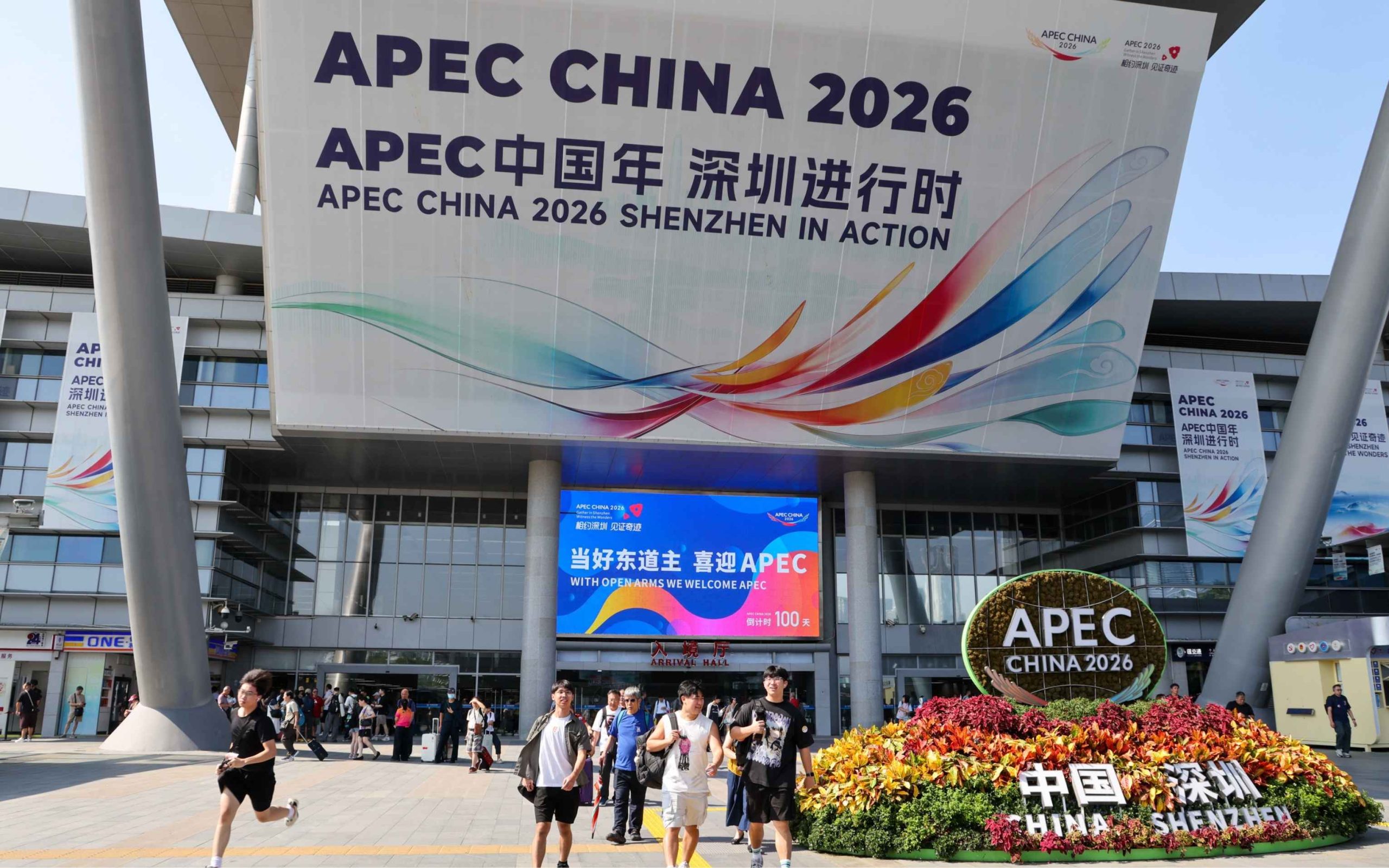
The 19 measures for Shenzhen ports represent the latest in a series of initiatives that the Shenzhen government has taken to prepare the city for its hosting of the 33rd Asia-Pacific Economic Cooperation (APEC) Economic Leaders’ Meeting on 18 and 19 November 2026.
In February, Futian –Shenzhen’s main business district – launched a preparatory campaign that included optimising port entry, payments and government services for international visitors and businesses.
Likewise, the city marked its 100-day countdown to APEC on 10 August with a ceremony and a light show. Shenzhen’s opening up is also evident via Yantian Port, which currently operates more than 10 e-commerce express sea routes.
Shenzhen is the third Chinese city to host the APEC leaders’ meeting, following Shanghai in 2001 and Beijing in 2014.