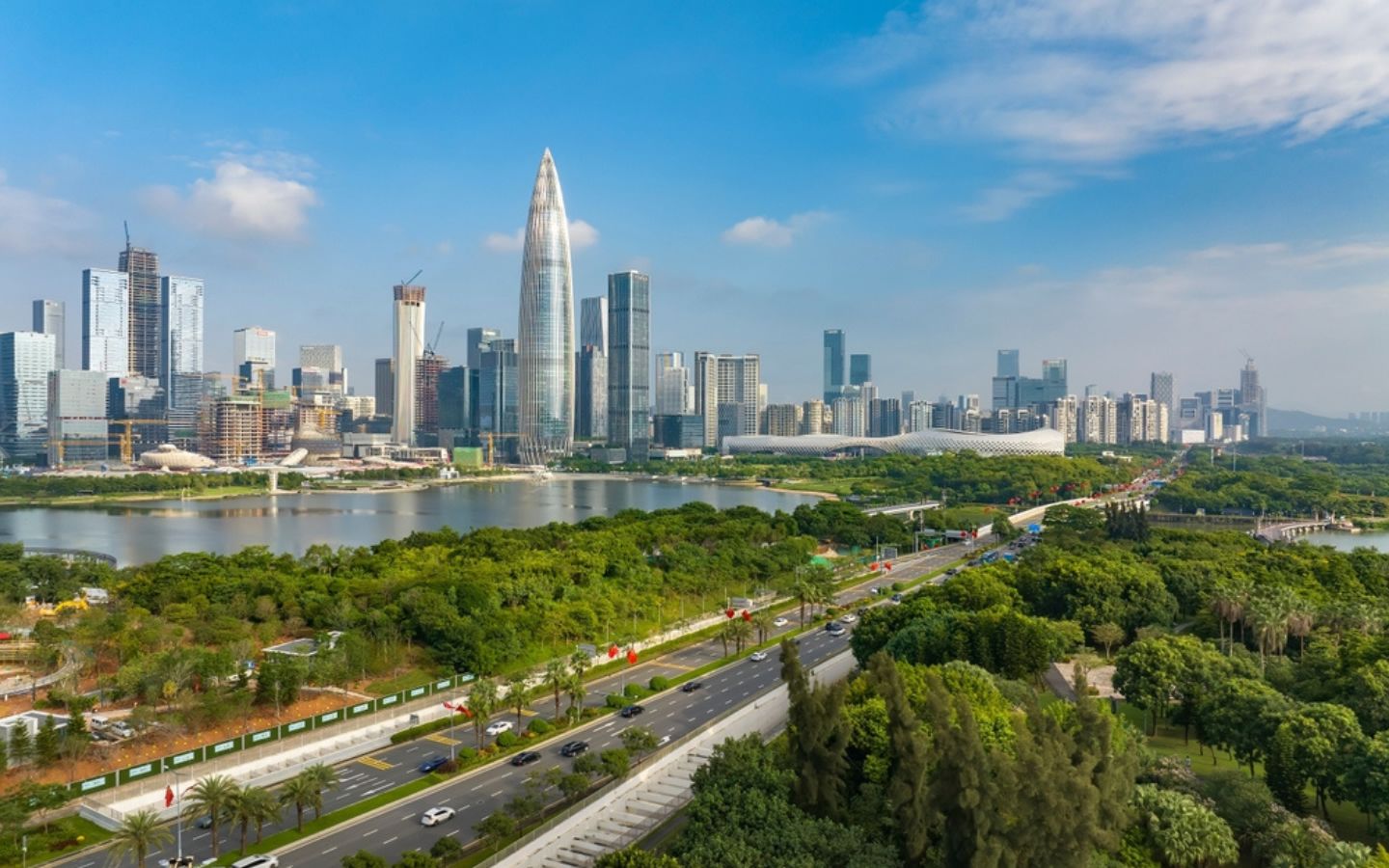
The newly adopted Shenzhen Outlook outlines key commitments on supply chain resilience, energy security, and technological innovation.
Business leaders welcome Shenzhen Outlook as APEC wraps
Article by:
PUBLISHED:

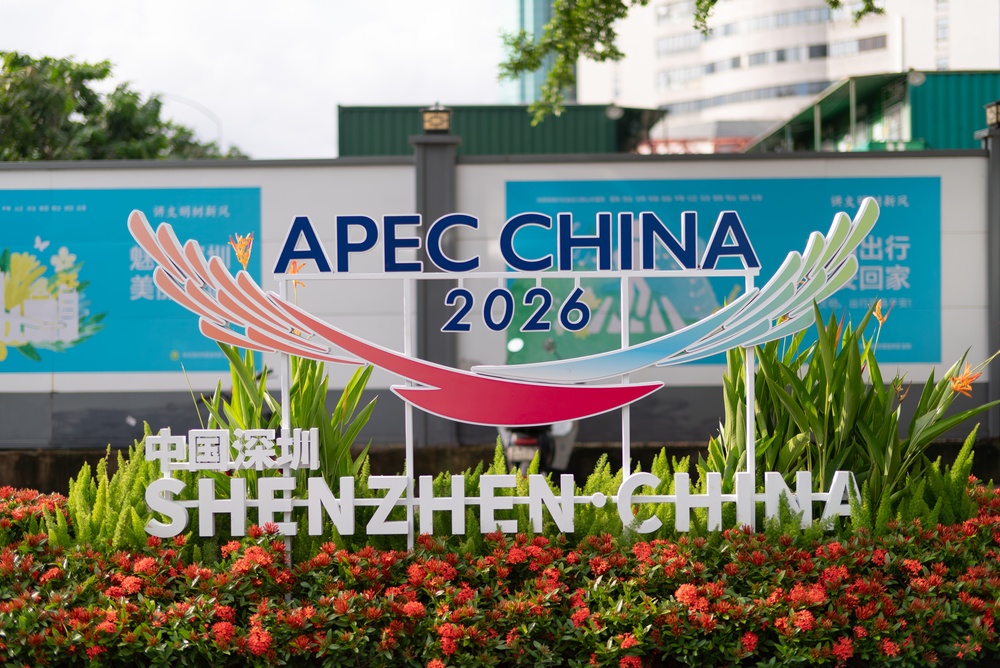
Asia-Pacific economies have pledged to reinforce supply chain resilience and harness emerging technologies to stimulate trade following the conclusion of a two-day leaders’ gathering in Shenzhen.
Released late on Thursday, the joint statement – officially titled the Shenzhen Outlook – underscores the commitment of 21 APEC member economies to safeguarding supply chains, particularly for essential goods, amid persistent regional challenges. According to the South China Morning Post, leaders also committed to bolstering security across energy sectors and technologies, ensuring reliable and sustainable energy access to underpin future economic prosperity.
On the trade front, officials confirmed plans to streamline cross-border flows through paperless trade, e-commerce initiatives, and advanced digital technologies. The statement emphasised ongoing investments in digital infrastructure and data utilization to unlock regional innovation potential, the Post said.
[See more: Support for world bay area association at APEC CEO Summit]
These agreements were reached against a backdrop of heightened geopolitical tensions, rising trade protectionism, and ongoing conflicts in the Middle East and Ukraine. Intensifying technological competition between Washington and Beijing has further shaped the broader economic landscape.
John Quelch, executive vice-chancellor of China’s Duke Kunshan University, told the Post that the Shenzhen Outlook provides a practical framework for cooperation in trade, connectivity, and innovation, particularly regarding trustworthy artificial intelligence.
APEC 2026: beyond the Shenzhen Outlook
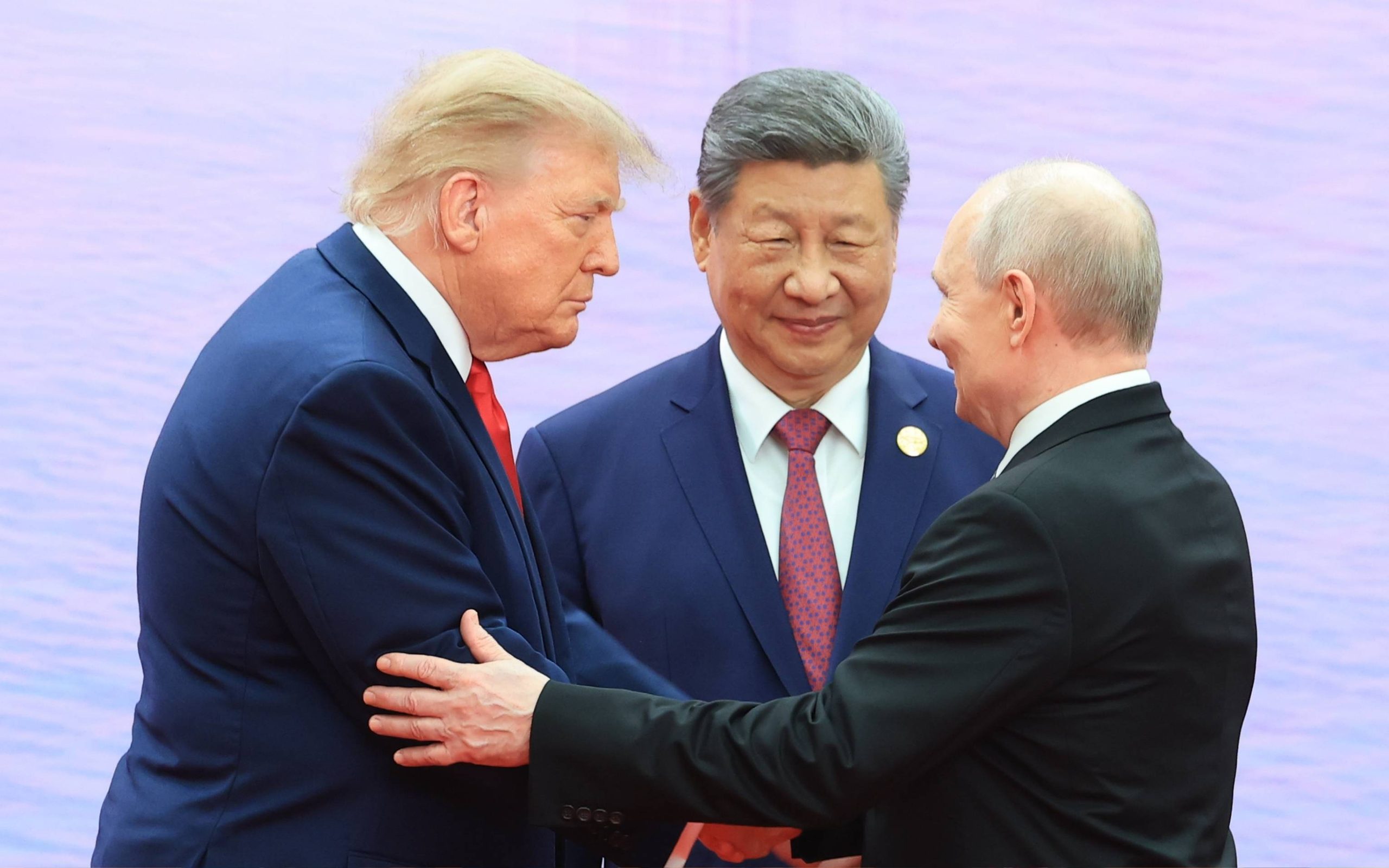
On the sidelines of the summit, United States President Donald Trump met Chinese President Xi Jinping for their third meeting of the year. Discussions focused on artificial intelligence safety, agriculture, and energy cooperation. Furthermore, President Xi, President Trump, and Russian President Vladimir Putin convened for their first-ever trilateral talks, addressing refined petroleum supplies and nuclear risk reduction.
[See more: John Lee champions Greater Bay Area cooperation at APEC CEO Summit]
Separately, business leaders at the APEC CEO Summit urged economies to reduce non-tariff barriers affecting food trade and to establish robust artificial intelligence governance frameworks. Zhou Mi, a researcher at the Chinese Academy of International Trade and Economic Cooperation, praised the initiative, expressing hope that member economies will create a stable environment for enterprise growth.