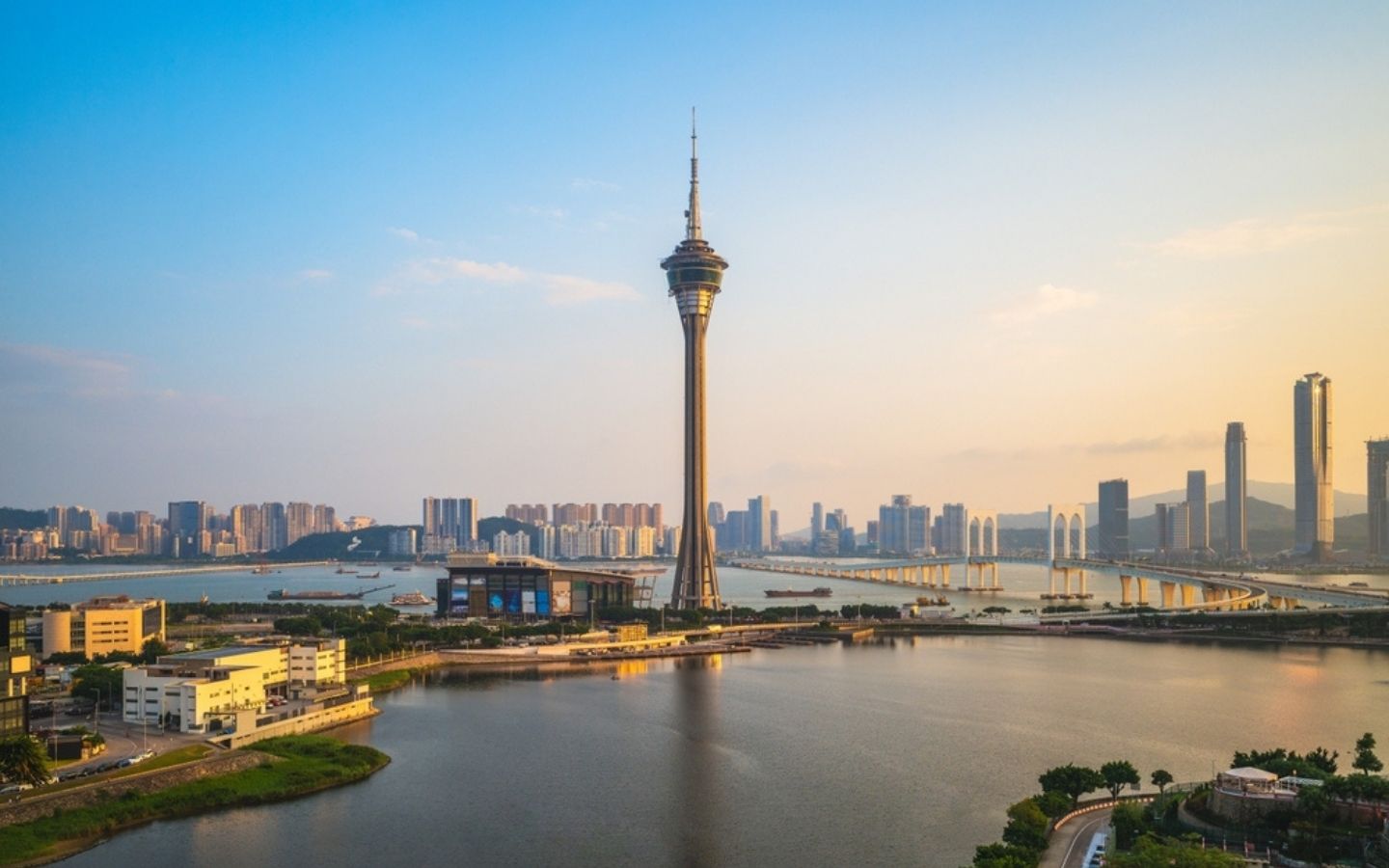
The city’s ascent, powered by mainland Chinese inflows and its gateway role to global markets, underscores Asia’s growing clout in offshore private banking
Hong Kong dethrones Switzerland as world’s top hub for cross‑border wealth
Article by:
PUBLISHED:

Hong Kong has overtaken Switzerland as the world’s largest hub for booking cross‑border wealth, underscoring the city’s role as the main offshore gateway for mainland Chinese money, according to a new report by Boston Consulting Group (BCG). The finding was cited in multiple media reports.
Cross‑border assets booked in Hong Kong rose 10.7 percent in 2025 to about US$2.95 trillion, narrowly surpassing Switzerland’s US$2.94 trillion, BCG’s 2026 Global Wealth Report found. It is the first time the Chinese financial centre has topped the ranking, after years of being forecast to catch up with the traditional European safe haven.
BCG attributed the shift mainly to continued inflows from wealthy mainland clients, strong IPO activity in Hong Kong last year and rising equity markets. The consultancy described Hong Kong as “cementing its role as China’s gateway to global markets,” while noting that this concentration also ties the city’s fortunes closely to economic and regulatory developments across the border.
Globally, cross‑border wealth grew 8.4 percent to US$15.7 trillion in 2025, with the top 10 booking centres capturing the vast majority of new flows.
[See more: Hong Kong charts course for medical innovation leadership]
BCG expects Hong Kong and Singapore to expand their cross‑border businesses by around 9 percent annually through 2030, compared with roughly 6 percent for Switzerland.
The report suggests global offshore wealth is increasingly concentrated into two main networks: one anchored by Hong Kong and Singapore serving capital from mainland China, India and Southeast Asia, and another centred on Switzerland, the US and the UK for European, Middle Eastern and Latin American clients.
While Switzerland has lost the top spot, BCG said its more diversified client base could prove an advantage if growth in China slows or capital controls tighten.
The findings come as Hong Kong authorities step up efforts to attract family offices and deepen cross‑border investment schemes with the mainland, moves that could further entrench the city’s role in managing regional wealth.