The 134.2 kilometre long Pinglu Canal in Guangxi is expected to reduce shipping cost and time, further strengthening Sino-ASEAN trade ties

Article by:
PUBLISHED:
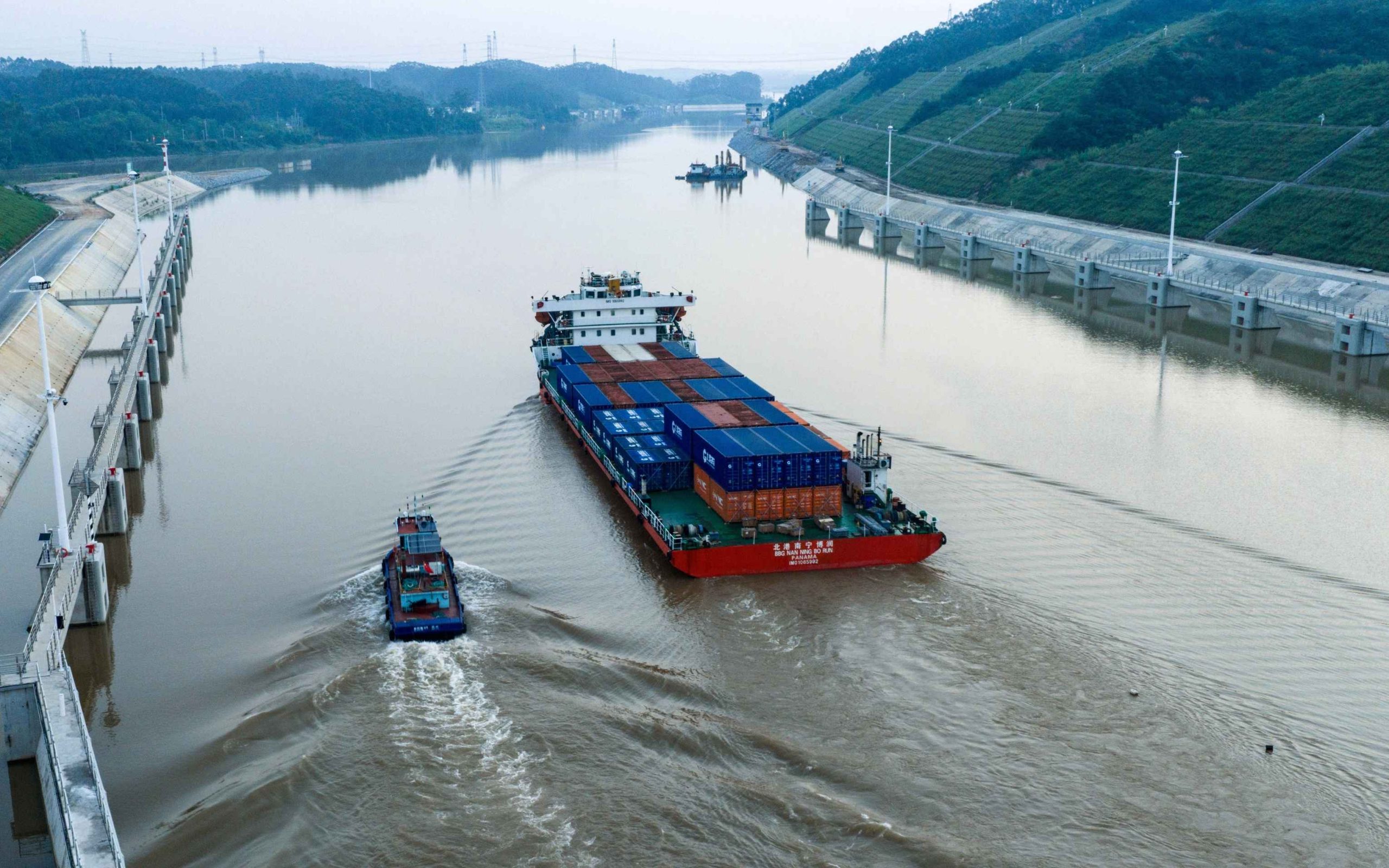
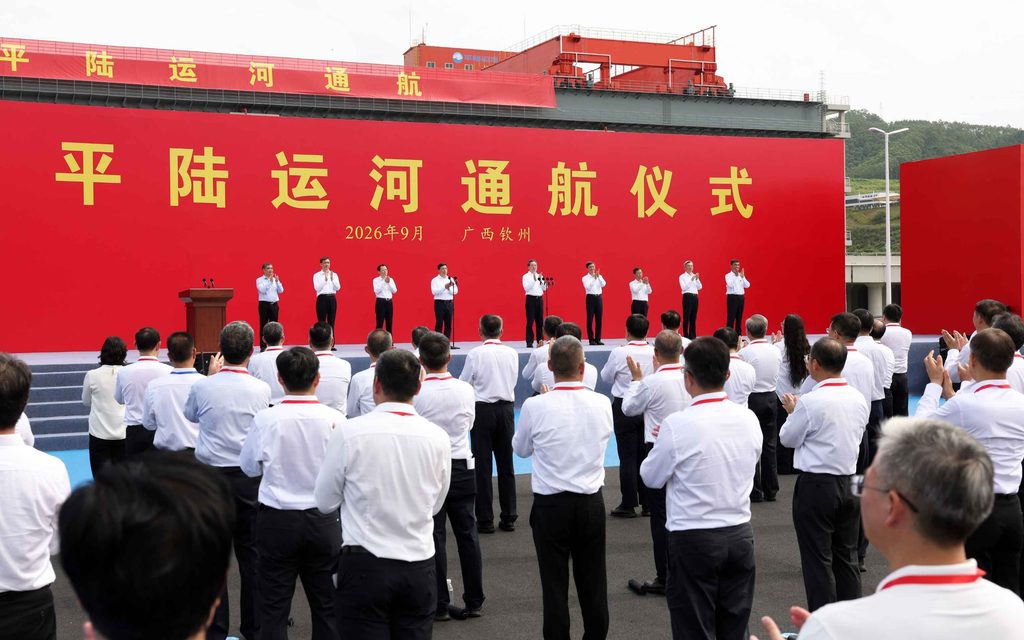
China officially inaugurated the 134.2 kilometre Pinglu Canal on 16 September 2026 in a move that is expected to streamline maritime trade between the country and Southeast Asia, as well as further boost regional connectivity.
Situated in the southwestern Chinese autonomous region of Guangxi, the Pinglu Canal links the Guangxi regional capital of Nanning to the Gulf of Tonkin – a major maritime gateway to northern Southeast Asia.
The channel’s opening creates a new maritime route that allows goods from the interior of mainland China to be transported to Southeast Asian markets in a more convenient and direct manner, cutting the journey by around 560 kilometres. Prior to this, products took a much longer and roundabout shipping route by way of Guangzhou, according to the South China Morning Post.
The Pinglu Canal’s opening holds symbolic significance, as it is the first river-to-sea artificial waterway to be constructed in China since the People’s Republic of China was established in 1949.
Besides this, the project is expected to greatly reduce shipping cost and time. In comments cited by Al Jazeera, Guangxi’s deputy secretary-general, Zhang Zhiwen, said that transport fees were projected to drop by over 5 billion yuan per year.
[See more: Shenzhen and Hong Kong fuel substantial growth in Greater Bay Area BRICS trade]
In a report published on 13 August 2026, Yunnan officials put the logistics savings at 18 to 30 percent for provinces such as Yunnan, Guizhou, Hunan, Sichuan and the city of Chongqing, calling the route “the shortest, most economical and most convenient route to the sea in the western region.”
Easier maritime access afforded by the waterway is also expected to benefit China’s less developed regions, furthering their trade ties with the Association of Southeast Asian Nations (ASEAN), China’s largest trading partner.
“This [canal] is equivalent to more capillaries to glue closely together China and the Association of the Southeast Asian Nations markets,” Gao Zhendong, an investment consultant told the Post in a report published on 24 July 2023.
Data cited by Xinhua indicates that the country’s trade with ASEAN topped US$1 trillion for the first time in 2025, rising by 7.4 percent year-over-year.
Speaking to the Global Times, He Junhui, the Pinglu Group’s director of the Engineering Management Department, said the canal, which his company was responsible for building, was projected to handle around 5 million metric tons of throughput capacity in 2026, followed by 40 million metric tons in 2027.
Design-wise, the Pinglu Canal is able to carry vessels in the 5,000-tonne class.
Construction of the Pinglu Canal began in August 2022, with the project costing more than 72.7 billion yuan (US$10.83 billion).
The artificial waterway is free to pass through until 31 December 2026. From 1 January 2027, vessels will be required to pay one yuan per gross tonne when passing through the water gates each time. The fees are temporary and are slated to change pending a review in five year’s time.
Development of the project is not without its human cost. According to Al Jazeera, thousands of families had to be relocated in order to make way for the canal. Official data cited by the news outlet shows that some 11,228 people from 2,764 families in Guangxi had to be resettled due to the project.
In some cases, relocated households were financially compensated, while in other situations, they were offered new homes.