With limited concrete deals but plenty of signalling from both sides, analysts say Xi is edging the optics at home while Trump walks away with modest talking points

Article by:
PUBLISHED:
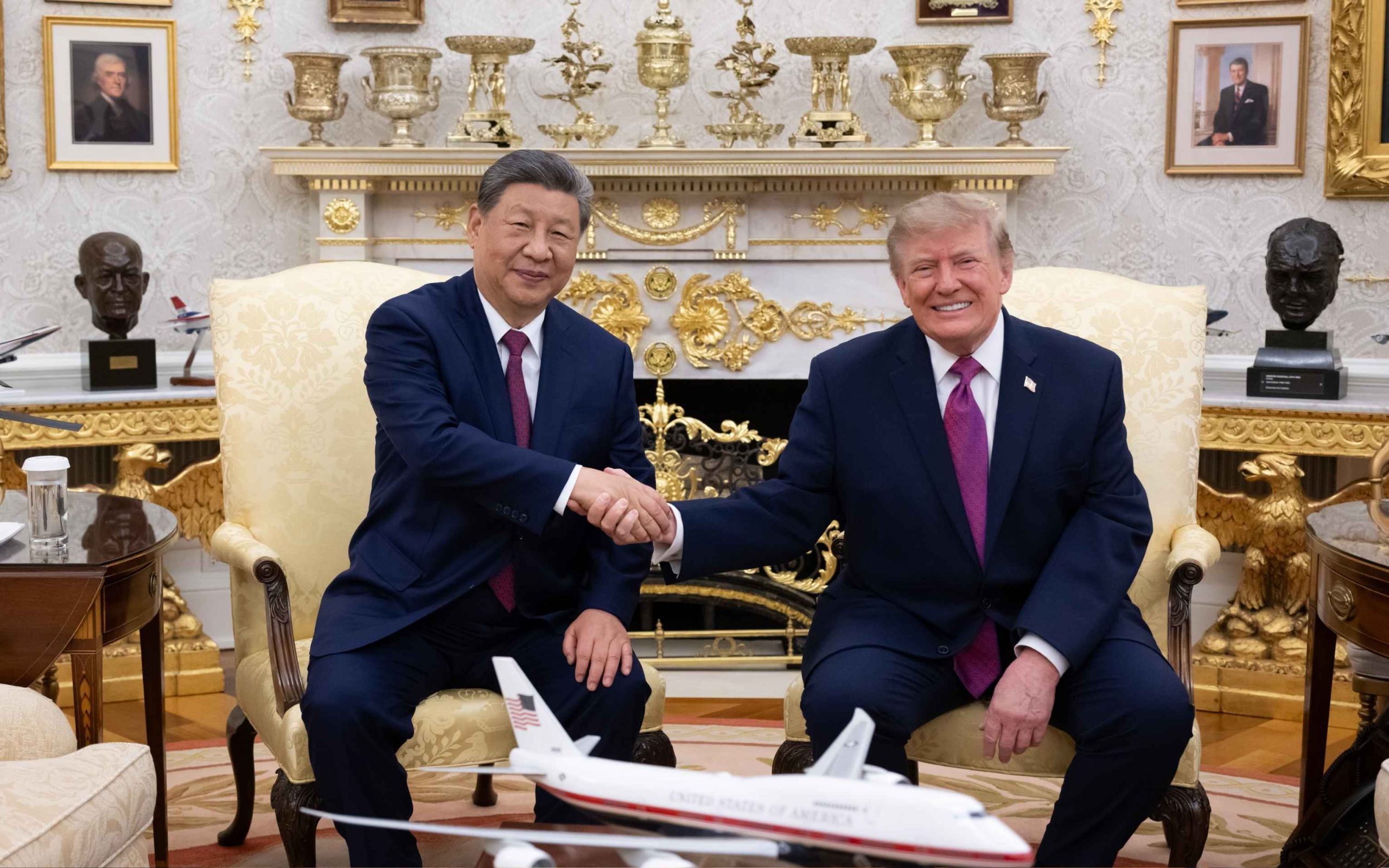
The Beijing summit between President Xi Jinping and President Donald Trump is moving into its second day, with both sides talking up “managed competition” but offering few hard outcomes so far – a balance that has left analysts split on who is getting the better of the optics and the substance.
Yesterday, Xi and Trump held a formal meeting and state banquet in the Great Hall of the People, agreeing in principle to keep the Strait of Hormuz open for global energy flows, step up cooperation on fentanyl precursors and explore expanded Chinese purchases of US farm goods.
Xi warned that Taiwan remained “the most important and sensitive issue” in the relationship and urged Trump to exercise “utmost caution,” while both leaders stressed that neither side wanted confrontation. Trump, for his part, praised Xi’s leadership and said the talks were “going very well,” but stopped short of announcing tariff cuts or major rollbacks of tech restrictions.
Today’s programme is expected to include a smaller working session and working lunch before Trump departs Beijing, with officials on both sides signalling that any detailed follow‑up on trade, AI and export controls will be left to ministerial channels in the weeks ahead.
On the scorecard, many China‑watchers say Xi has so far controlled the narrative at home. Commentators quoted by Chinese and international outlets note that Beijing used the summit to underline long‑standing red lines on Taiwan without conceding ground on core economic demands.
[See more: Details scant as Trump and Xi open high‑stakes Beijing summit]
The carefully staged welcome, tight message discipline in Chinese media and Xi’s framing of the relationship as “the most consequential in the world” are also seen as reinforcing his image as a steady strategist in a volatile environment.
US and allied analysts, however, argue that Trump has extracted at least modest wins on priorities he can sell to US voters: Beijing’s pledge to buy more American agricultural products, renewed cooperation on fentanyl, and public alignment on keeping Hormuz open at a time when the Iran war is driving up fuel prices.
Some at think tanks such as the Council on Foreign Relations suggest that simply re‑establishing regular leader‑level contact after a turbulent 2025 counts as a strategic gain for Washington.
However, the emerging consensus is that neither side has “won” outright. Instead, analysts describe a summit in which Xi has edged ahead on atmospherics and message control at home, while Trump can claim limited, concrete talking points abroad – and many of the hardest questions on tariffs, tech and Taiwan have been deliberately pushed into the future.