The plan targets 60 percent non-gambling GDP by 2030 through four major infrastructure projects, deeper Hengqin integration, and urban renewal
Sam Hou Fai outlines Macao’s aims for its Third Five-Year Plan
Article by:
PUBLISHED:
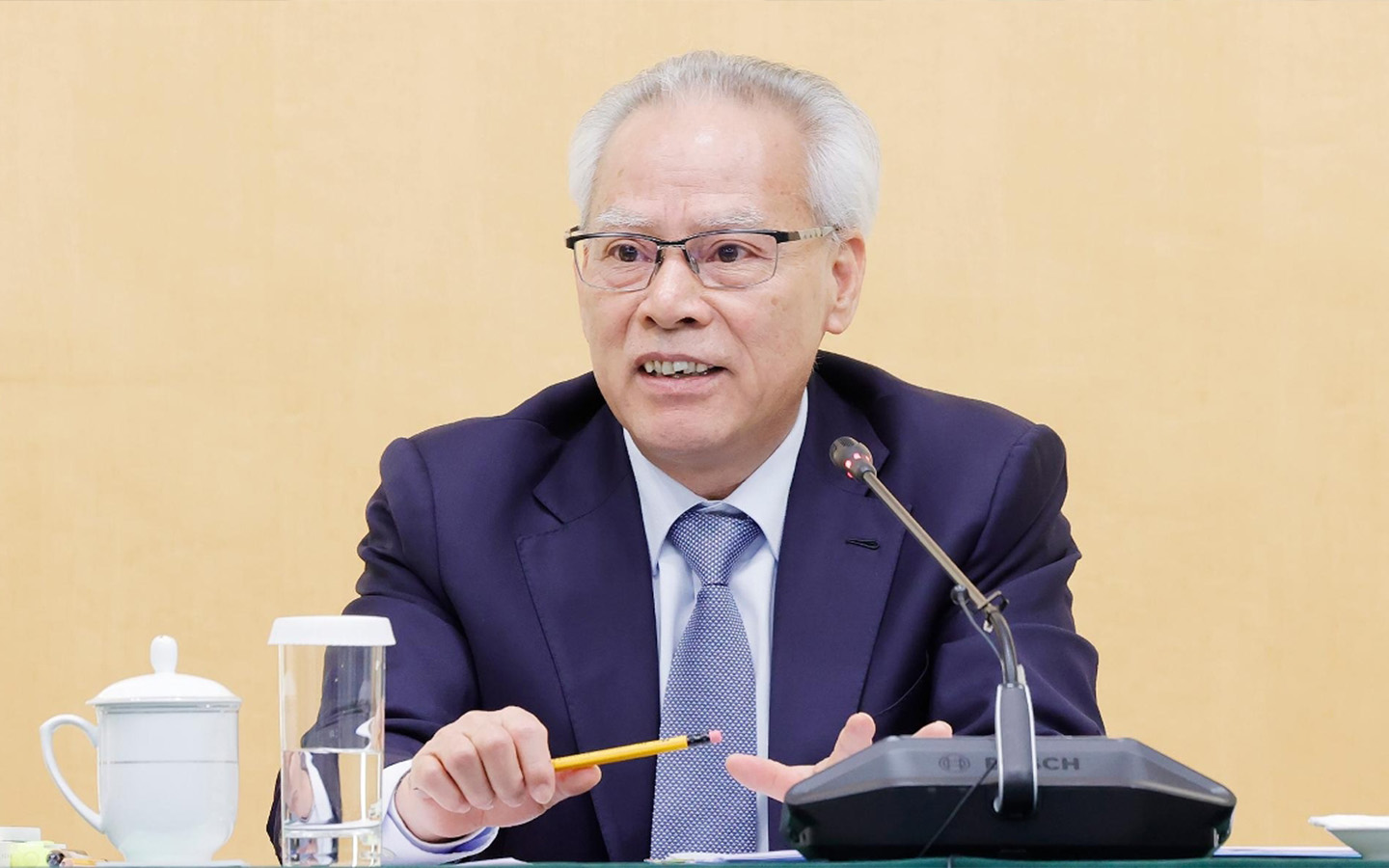
Macao’s Chief Executive Sam Hou Fai published a signed article in China Newsweek on 11 August, outlining the city’s development priorities for its Third Five-Year Plan covering 2026 to 2030. The plan centres on three main pillars: roughly 130 billion patacas (US$16.19 billion) in economic diversification investment, deeper integration with Hengqin, and an accelerated urban renewal programme.
Four infrastructure projects anchor the diversification push
The government’s “1+4” strategy targets non-gambling sectors making up around 60 percent of Macao’s GDP by 2030, up from current levels, through four major infrastructure projects paired with a new government guidance fund.
The Macao-Hengqin International Education (University) Town will roll out in phases starting this month, with the University of Macau’s Hengqin campus beginning trial operations in 2028 and reaching full operation in 2029.
The Macao Technology Research Industrial Park will focus on digital technology, biomedicine, integrated circuits and aerospace technology. Its pilot platform, the Macao International Technology Industry Centre, opens this year and aims to attract at least 20 pioneer tech enterprises, with the wider Industrial Park’s first construction project completed by 2030.
[See more: Macao will implement its third five-year plan this August, says chief executive]
A planned Macao International Integrated Tourism and Cultural Zone includes a new National Museum of Culture, with its first phase substantially complete by 2029, alongside a future performing arts centre and contemporary art museum.
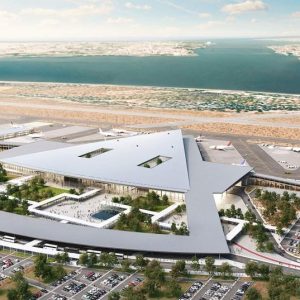
Separately, a new cargo terminal linking Macau International Airport to Hengqin will begin trial operations this month, targeting an annual handling capacity of 300,000 tonnes once fully operational in the first half of 2027.
Hengqin integration targets 65 percent non-gambling GDP share
Macao is aiming for combined value from tourism, MICE, traditional Chinese medicine, specialised finance, technology research and advanced manufacturing to reach 65 percent or more of the Hengqin cooperation zone’s GDP by 2030.
[See more: Macao’s third five-year plan targets a non-gambling GDP share of 60 percent by 2030]
Planned measures include a “Macao Registration, Hengqin Production, Overseas Sales” model for traditional Chinese medicine products, a joint cross-boundary e-commerce hub, and expanded use of Hengqin’s tax incentives, including exemptions on new outbound investment and reduced corporate tax rates.
Urban renewal targets old neighbourhoods and heritage areas
The plan sets out a six-point urban renewal framework, including a new legal amendment process, an expanded role for Macau Urban Renewal Limited, and a pilot conservation project around the Ruins of St. Paul’s Church, aimed at protecting the area’s UNESCO World Heritage status while testing renewal methods for wider use.
Specific redevelopment targets include the seven buildings of Iao Hon Estate, the Tamagnini Barbosa civil servants’ building, and a former post office workers’ dormitory near the Red Market.
Sam’s article also touched on deeper cooperation with Hong Kong and other Greater Bay Area cities, an expanded role for Macao’s China-Portuguese-speaking countries trade platform reaching into Spanish-speaking markets, and continued participation in the Belt and Road Initiative.