Want to venture into the Greater Bay Area but don’t know where to start? Try following your passions to pick the right city
Which Greater Bay Area city should you visit? Here’s a quick way to figure it out
Article by:
PUBLISHED:

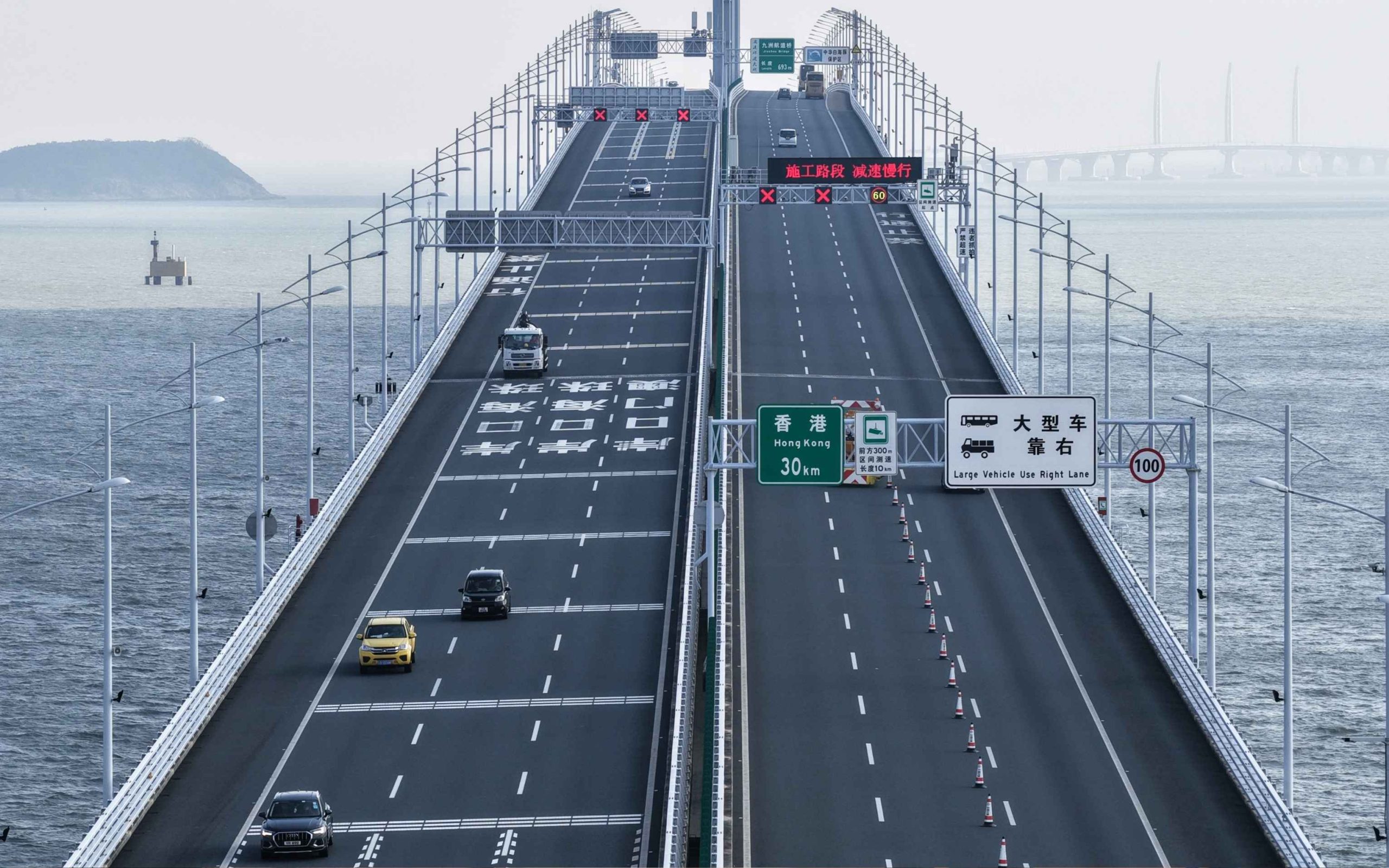
The Greater Bay Area (GBA) has rapidly emerged as one of the world’s most dynamic economic and cultural hubs – and now it’s aiming to be a tourism hub too. For the traveller, however, navigating this sprawling area of 11 cities and 87 million people can be overwhelming.
This guide cuts through the noise to help you find your perfect GBA destination by following your passions. Whether you are drawn to the ancient villages of Dongguan, the martial arts history of Foshan, or the cutting-edge tech and underground music scene of Shenzhen, there is a city tailor-made for your interests.
We’ve broken it down in the simplest terms: If you like X, then go to Y. Whether you’re into hikes or underground music, there’s something for you in the GBA.
If you like ancient villages with a side of roast goose, visit Dongguan
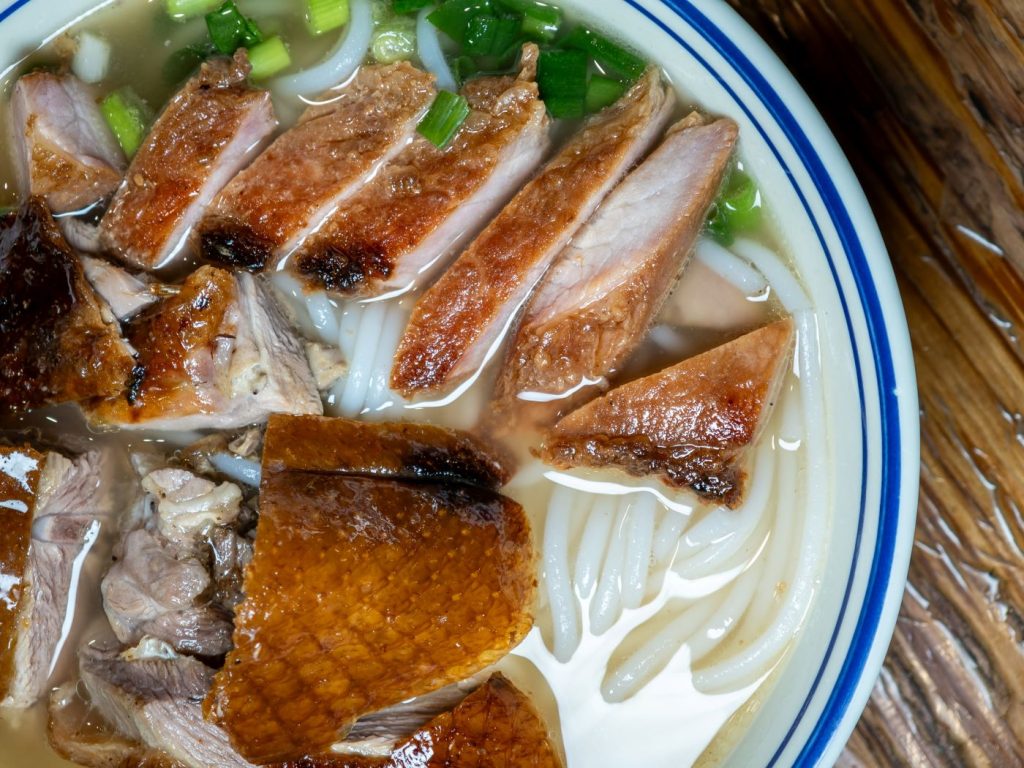
Dongguan is home to ancient villages where traditional architecture meets modern life, and where roast goose – crispy-skinned and succulent – is a local culinary gem.
For ancient villages, we would recommend heading to Nanshe (南社明清古村落), the largest and most architecturally impressive Ming-Qing village. Tangwei Ancient Village (塘尾古村落) is an 800-year-old national heritage site featuring a complete ancient city wall, traditional houses and ancestral halls. Both are accessible via public transport from the city, and are roughly a 20 minute car journey from the train station.
Roast goose with lai fun, a thick Chinese rice noodle, is a quintessential local delicacy in Dongguan. There are countless restaurants to choose from but Yongli Restaurant (永利飯店) is a cult-favourite, with all geese roasted at high temperatures and prepared daily.
If you like kung fu legends with your milk pudding, visit Foshan
Foshan is the birthplace of kung fu and the hometown of legendary masters Wong Fei-hung and Ip Man. A must-see is the Foshan Ancestral Temple Museum (佛山祖庙), a 600-year-old Taoist monument which is now a living museum of Cantonese culture, and features two memorial halls honouring Foshan’s legendary martial artists.
A trip to Foshan isn’t complete without savouring Shunde’s sweet and silky double-skin milk pudding, traditionally made with water buffalo milk. Check out the century-old Minxin Laopu (民信老舖) for the perfect bite of this famous dessert.
If you like dim sum and century-old teahouses, visit Guangzhou
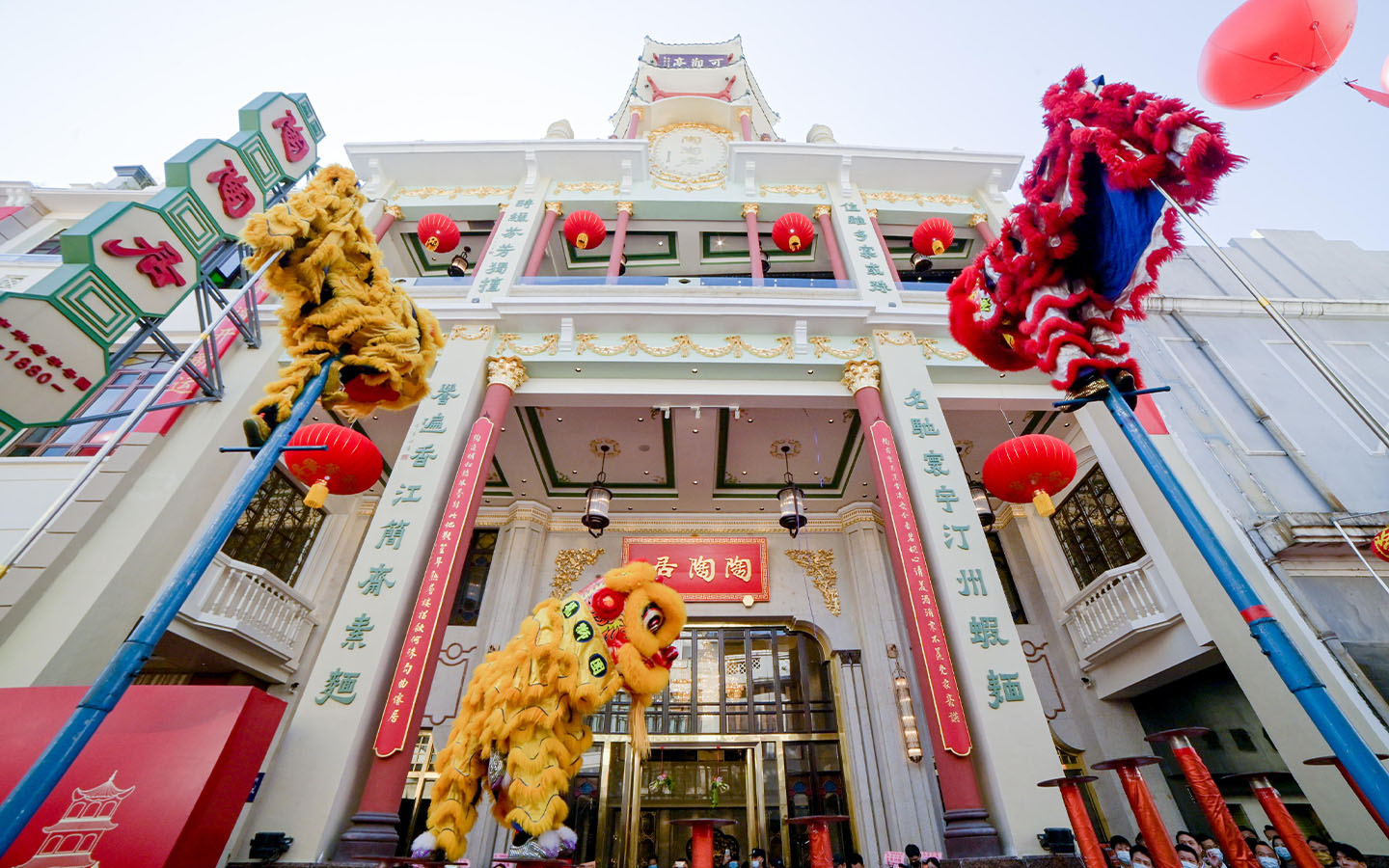
Guangzhou is the birthplace of dim sum, with historic teahouses like Lianxiang Lou (莲香楼), Tao Tao Ju (陶陶居), and Ronghua Lou (荣华楼) serving iconic dishes like prawn dumplings, siu mai, and cha siu bao for over a hundred years.
Head to Tao Tao Ju if you want a classic dim sum experience. Featured in the Michelin Guide, it is considered the gold standard for Guangzhou’s teahouses. Lianxiang Lou is famous for its pastries, especially for its lotus seed paste and mooncakes. Finally, pick Ronghua Lou (the oldest of the three) if you want a no-frills, old-school atmosphere where you could catch a live Cantonese opera performance.
If you like lush hikes, visit Hong Kong
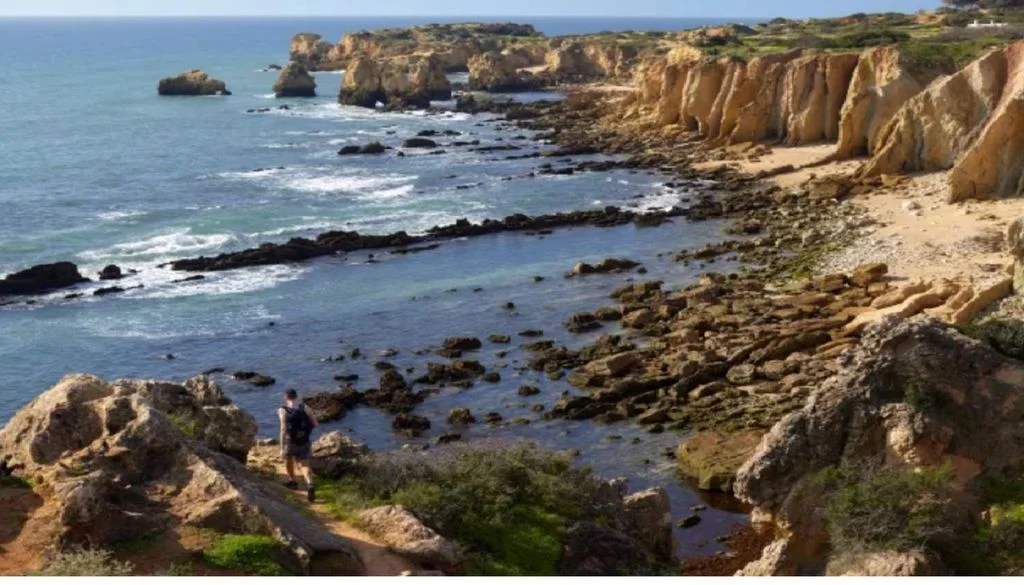
Hong Kong offers a dramatic mix of lush hiking trails for every level and preference. The Dragon’s Back (see featured image) is a fantastic hike that reaches great heights, boasts beautiful coastal scenery while remaining accessible to beginners. The iconic Lion Rock is known for its breathtaking views of the city, while a lap of Victoria Peak’s Lugard and Harlech Roads is a popular one among tourists and families.
For serious hikers, West Dog’s Teeth to Lantau Peak is one of Hong Kong’s toughest, characterised by narrow ridges and sharp inclines, culminating rewardingly at the Big Buddha. Similarly, Sharp Peak offers an intense, steep climb rewarded by stunning views of Sai Kung’s blue waters and golden beaches.
The great thing about Hong Kong hiking? Most trails are easily accessible from the city using public transport.
If you want to eat delicious street food with water and mountainous views, visit Huizhou
Huizhou serves up bustling night markets with the West Lake and distant mountains as the backdrop. Shuidong Street (水东街) is the place to be, where preserved ancient shophouses create a vibrant hub for food and nightlife near landmarks like Hejiang Lou (合江楼) and the Liuhe Pagoda (六和塔).
Craving something more serene? Head to the nearby West Lake for Huizhou’s classic postcard scenery.
If you like striking East-meets-West architecture, visit Jiangmen
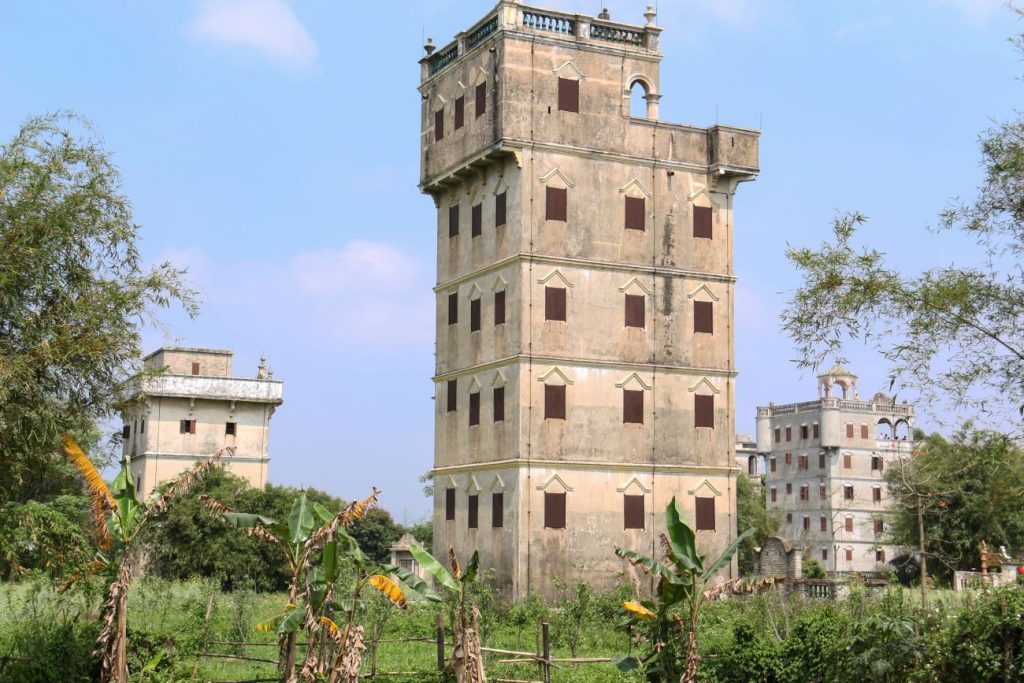
Jiangmen is home to the UNESCO World Cultural Heritage Site Kaiping Diaolou and Villages — cross-cultural watchtowers with Byzantine roofs, Corinthian columns and traditional Chinese frescoes made by wealthy overseas Chinese primarily in the 1920s to 1930s.
Jiangmen is also home to the historic Thirty-Three Market Street (三十三墟街) famed from the Chinese hit drama The Knockout. The original Heytea shop can also be found in the city, where you can get the exclusive Cheesy Citrus Milk Tea, made with a local tangerine pu’er tea sprinkled with Xinhui aged tangerine peel.
If you want to try the world’s first fusion food, visit Macao.
Recognised by UNESCO as the world’s first fusion cuisine, Macanese cuisine fuses Portuguese, Chinese and flavours from African, Indian, and South East Asian origin.
An iconic Macanese food that you must try is minchi, a rice dish that features a layer of stir-fried minced pork or beef with onions and potato cubes seasoned with soy sauce, Worcestershire sauce and sweetened soy sauce. African chicken is another dish synonymous with the unique cuisine, featuring chicken marinated in chilis, onions, garlic, and paprika, then coated in a lemony, buttery coconut sauce with crushed peanuts before it’s grilled.
Casa Maquista, La Famiglia, Restaurante Litoral, and the more contemporary Madz Kitchen are some great places to try Macanese food.
If you like tech and underground electronic music, visit Shenzhen.

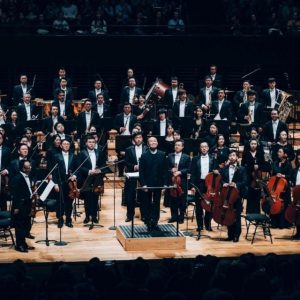
Shenzhen houses the headquarters of tech giants Huawei and Tencent, futuristic shopping centres and a flourishing underground music scene.
Haus Nowhere is where art and tech meet retail. Created by South Korean luxury eyewear brand Gentle Monster, this shopping centre features sculptures of giants, avant garde robots and some of the coolest fashion brands in China and beyond.
If you want to see what the local underground electronic music scene has to offer, head to Oil, where local, regional and international DJs play b2b.
Don’t miss the viral cyberpunk light show in Futian that runs on Fridays, Saturdays, and public holidays at 7, 8 and 9 pm from November to March, while shows are at 7:30, 8:30 and 9:30 pm from April to October. Insider tip: The 79th floor MO Bar offers unparalleled views to watch the city dance with light.
If you like immersing yourself in natural wonders, visit Zhaoqing.
Zhaoqing’s top attractions are Seven Star Crags (七星岩) and the Dinghu Mountain (鼎湖山), stunning landscapes that have inspired poets and painters for centuries.
The Seven Star Crags are limestone peaks that adorn a beautiful lake, and you can walk, bike or take a boat tour in the area. Meanwhile, Dinghu Mountain is China’s first National Nature Reserve and is also a UNESCO Biosphere Reserve, offering ancient forests, Buddhist monuments, waterfalls, and hiking trails.
If you like roast pigeon and want to learn more about Sun Yat-Sen, visit Zhongshan.
Zhongshan is the birthplace of modern China’s founding father Sun Yat-Sen. Learn about his legacy at the Museum of the Former Residence of Dr. Sun Yat Sen (孫中山故居紀念館).
The city is also hailed as the most famous place in China for crispy and tender roast pigeon. Ge Xiang Ju (鸽香居) is widely considered the best place for this delicacy, while Shi Qi Lao (石岐佬) is Zhongshan’s most well-known and established local chain.
If you like fresh seafood and coastal activities, visit Zhuhai.
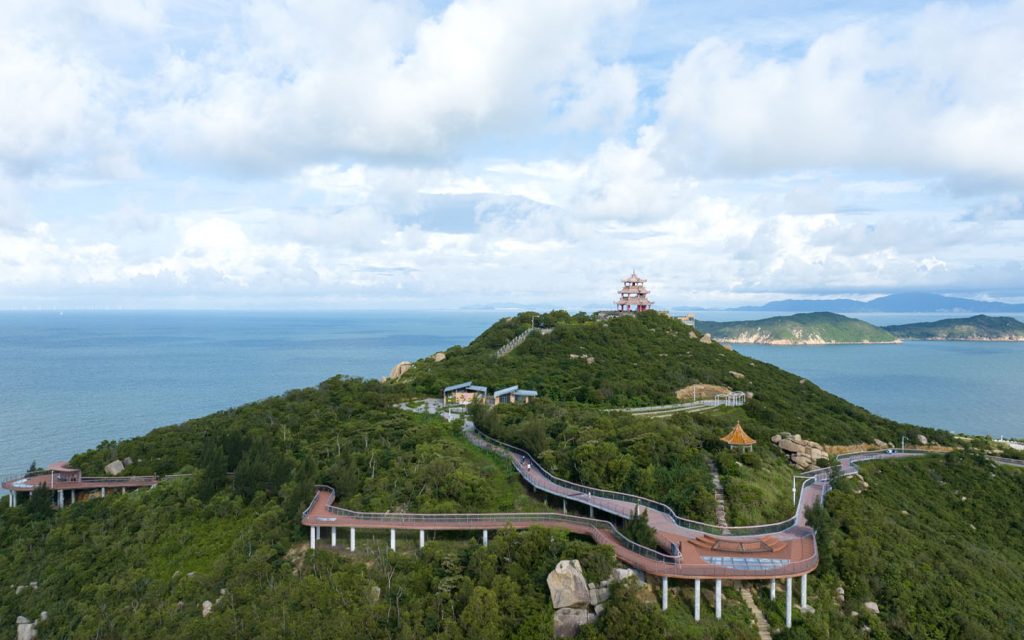
Zhuhai is known for affordable fresh-from-the-boat seafood meals and is often called the “City of a Hundred Islands,” with the most famous island being the serene and romantic Dong’ao Island (东澳岛) where you can take part in water activities and go on coastal hikes.
Ferries depart daily from two main ports in Zhuhai: Xiangzhou Port (香洲港) and Jiuzhou Port (九洲港). Xiangzhou Port has the most frequent service to all three islands, while Jiuzhou Port offers daily trips primarily to Guishan, Dong’ao and Wailingding.
UPDATED: 07 May 2026, 7:49 am