Timor-Leste’s new highway forms a key part of the Tasi Mane petroleum corridor, intended to drive economic diversification and boost national output.
Article by:
PUBLISHED:
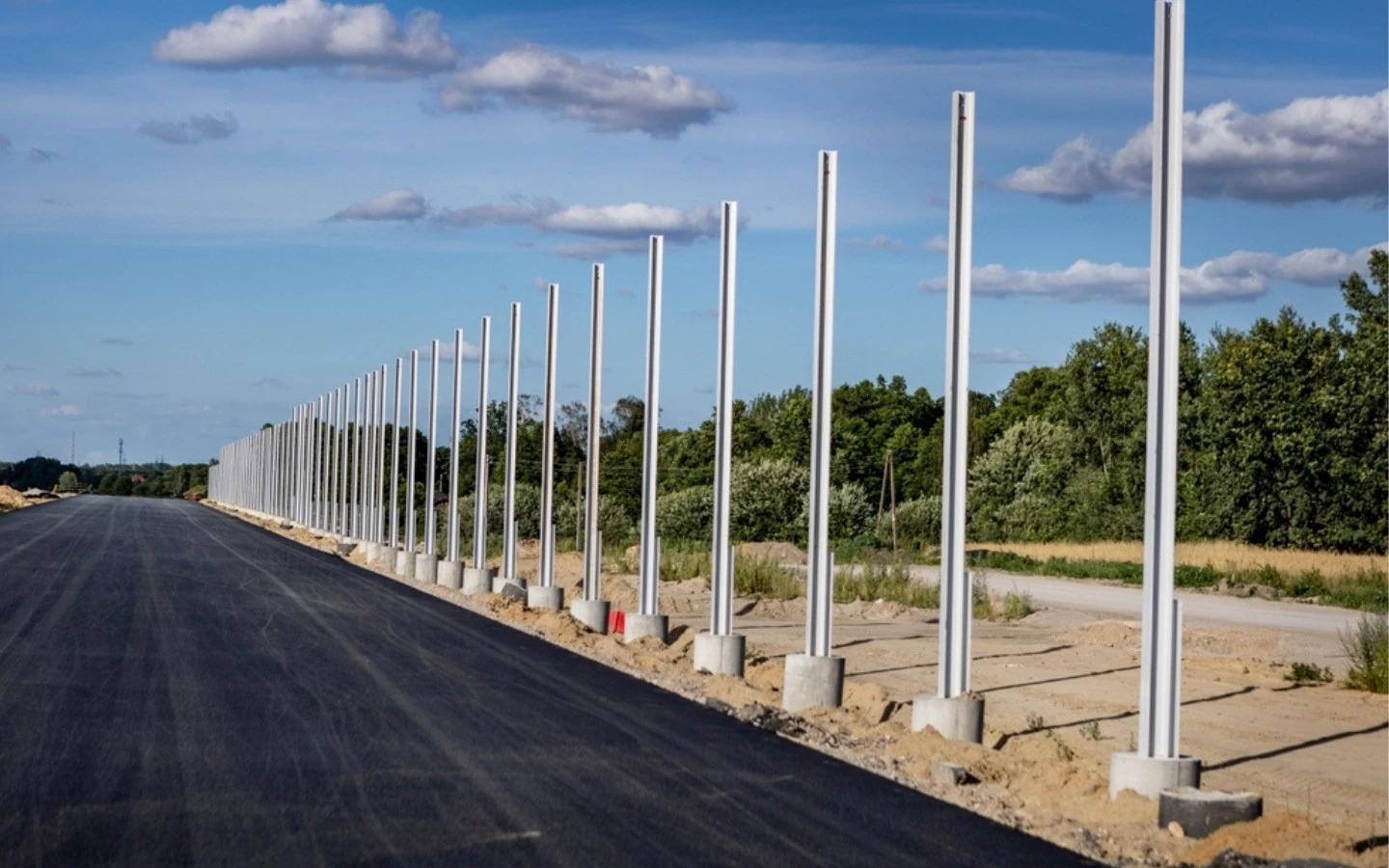
Three Chinese construction entities have been awarded contracts to design and build the 76.6-kilometre Zumalai–Natarbora highway in Timor-Leste, a strategic initiative aimed at bolstering the nation’s Tasi Mane petroleum corridor.
Timor-Leste’s new highway is viewed as essential for improving logistics to the Suai Supply Base and the future Natarbora integrated oil hub. Operating under a “design, build and finance” model, the work is divided into three segments, according to government and media reports.
Shanghai Construction Group Co., Ltd. has secured the contract for the Zumalai–Betano section. The Betano–Uma Berloic stretch will be completed by a joint venture between Liangshan Construction Holding Group Co., Ltd. and Beijing Texida Transportation Facilities Consultants Co., Ltd., while the China Civil Engineering Construction Corporation (CCECC) has been tasked with the Uma Berloic–Natarbora section.
[See more: Singapore to open key sectors to workers from Timor-Leste]
In a previous move, the Council of Ministers authorised US$12.97 million for supervision and project management consultancy services across each of the three approximately 25.5-kilometre sections.
Petroleum Minister Francisco da Costa Monteiro has indicated that Timor-Leste’s new highway is intended to support the broader petroleum sector and generate employment.
Crucially, the infrastructure is expected to facilitate logistics for future exploration and energy initiatives, including discussions regarding the Greater Sunrise field and the rehabilitation of the Bayu-Undan field for gas production and carbon capture.
While the cabinet approval paves the way for contract finalisation and mobilisation, no specific construction or completion dates for Timor-Leste’s new highway have been confirmed.
Chinese investment in Timor-Leste has generally focused on transport, energy and public works, with mainland companies often playing a central role in projects seen as important for the country’s long-term development. For Timor-Leste, such projects can help speed up infrastructure buildout and deepen economic ties with China, even as they remain closely tied to the success of the country’s wider oil-and-gas plans.