The GBA is well-positioned to meet the space industry’s evolving supply chain challenges, but each city needs to become an active stakeholder for the national aerospace industry to flourish.
How Shanghai’s Xingshu project is bringing China’s space economy closer to the GBA
Article by:
PUBLISHED:
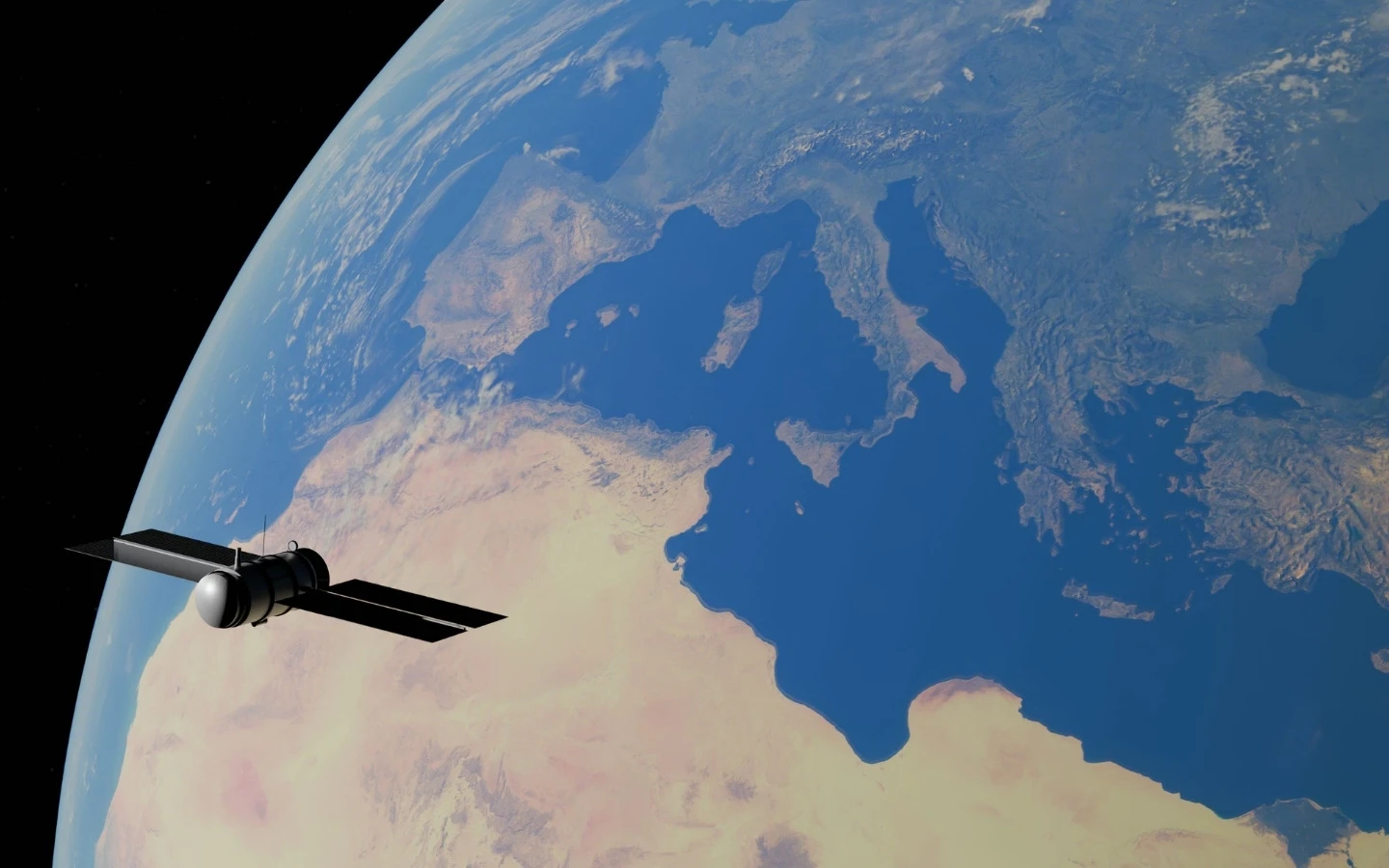
An ambitious space programme to launch a thousand satellites was introduced at this year’s World Artificial Intelligence Conference in Shanghai, highlighting overwhelming enthusiasm for future aerospace initiatives that also represents a possible pivot in how orbital data is analysed.
Jointly developed by Fudan University and Shanghai Xingshu Tiansuan Space Technology, the Xingshu Project (the name is Chinese for “star hub”) is initially dispatching two central computing satellites and 12 AI-enabled edge-computing nodes to determine whether processing data in space offers commercially feasible returns.
[See more: Hong Kong’s first astronaut blasts off for the Tiangong space station]
The focus for this venture is economic viability rather than assessing the underlying technology of mature orbital services, says Cédric R. G. Thiry, chief executive officer of advanced space component provider EmTDLab, speaking to The Bay.
But while the Xingshu project has not disclosed any official timelines, the engineer is optimistic about what the campaign will do. “Anything tied to space generates a lot of hype, but undertakings like this refocus attention on what is practical and can be realistically achieved,” he says.
The challenges facing projects like Xingshu
Currently, most AI-processed space payloads are analysed on Earth, where land-based data centres face numerous physical constraints while also requiring vast amounts of power and water to run. But using AI edge-computing satellites to process data works to reduce broadband traffic and frees up data centre capacities, resulting in cost efficiencies that could open new markets.
There are other resource advantages, proponents of AI-enabled nodes argue. An orbiting AI edge-computing satellite would have uninterrupted access to sunlight in space, bypassing power grid constraints while active servers could radiate heat away in the sub-zero orbit, reducing the need for a cooling agent.
But such methods create a different set of challenges, Thiry explains. While orbiting data centres can radiate heat away, the absence of air ventilation means they cannot regulate temperature in the same manner they would on land. Furthermore, installing larger solar panels adds significant weight constraints to a satellite, directly increasing deployment and orbiting costs.
There are also mechanical constraints that go beyond the aerospace sector. “This isn’t just about procuring raw materials but a structural shift toward the CPUs (central processing units) needed to orchestrate autonomous agentic AI, resulting in heavier hardware redundancy and on-board inventory at a time when chip supplies are already constrained,” the space expert says.
The GBA’s role
Navigating the space industry’s fluctuating supply chain is no different from managing traditional ones, Thiry observes, adding that the GBA is well-positioned to meet these hurdles provided that each major city leverages its own strengths and becomes an active stakeholder in the industry.
To equip this chapter in space infrastructure, Thiry identifies Guangdong’s manufacturing hubs in building parts and Shenzhen’s software companies in developing the technologies that power space explorations, while Hong Kong’s robust financial markets raise capital.
In last year’s policy address, the SAR earmarked HK$100 million (US$13 million) to boost aerospace innovation through research and development grants, highlighting its commitment to price financial risk.
These priorities are taking place as the space economy grows in ways that mirror the GBA’s expansion and integration in other cross-border domains, from reciprocal driving licenses to yacht ownership. From space tourism to zero-gravity hotels, what was once considered science fiction is now moving closer to reality for a space economy expected to generate US$1.8 trillion by 2035.
Economic hurdles
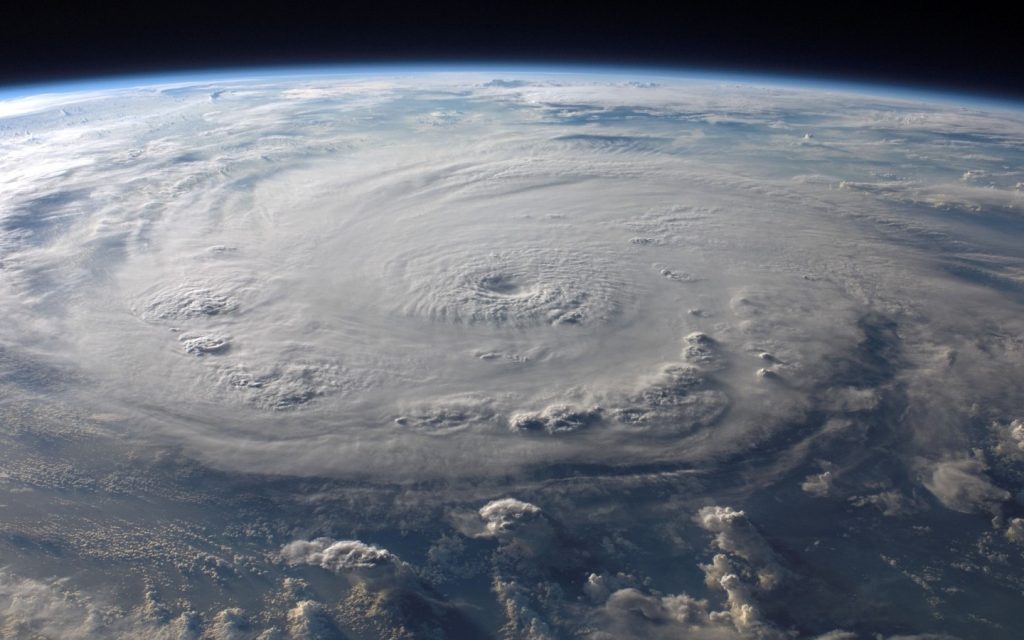
The goal is to elevate intelligence gathering from space. Improving maritime logistics or strengthening weather forecasts yields immediate benefits for coastal economies adjacent to the Pearl River Delta, particularly as typhoons become more pronounced and economic disruptions more measurable.
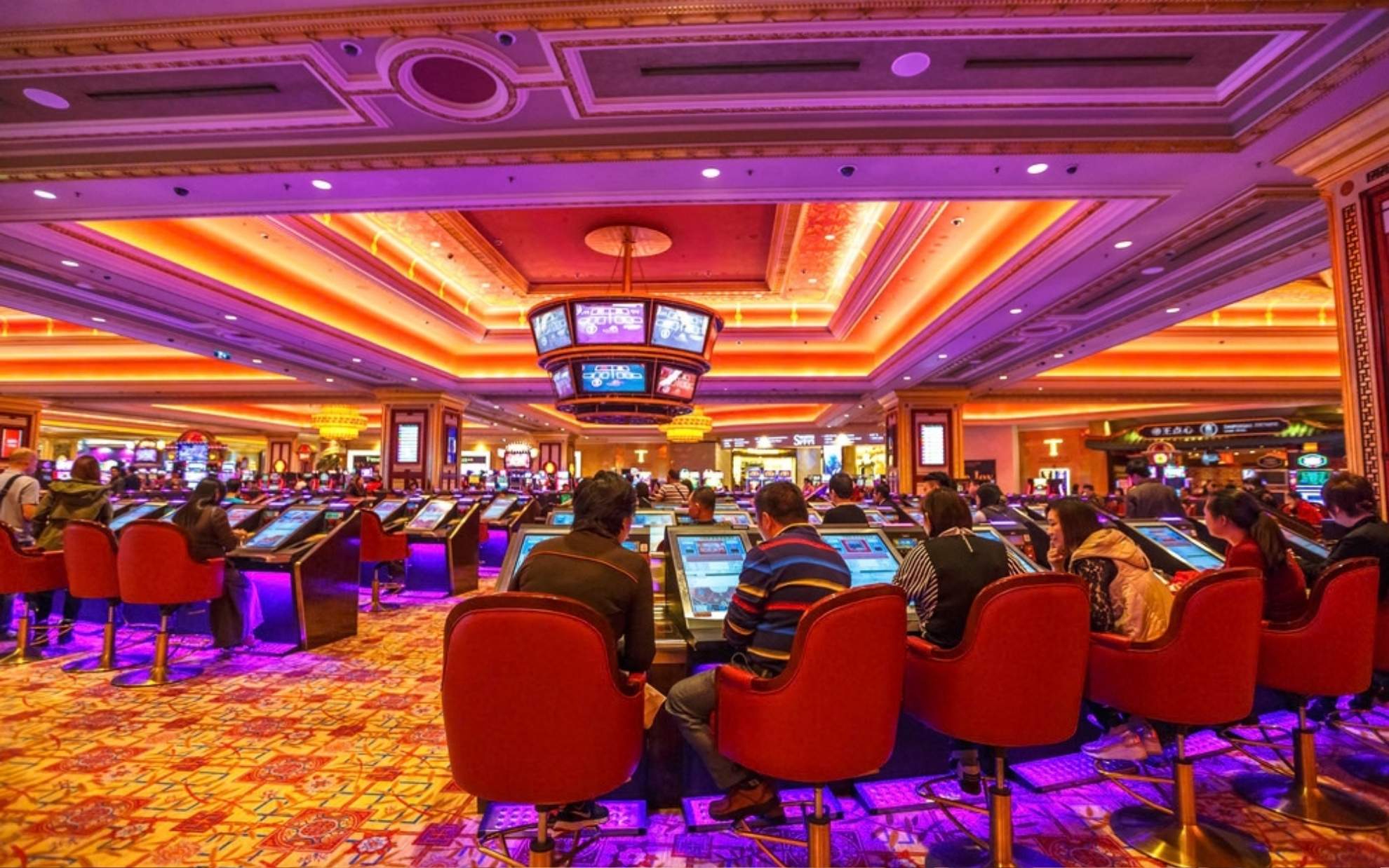
Last year’s Typhoon Ragasa halted Macao for 33 hours, costing an estimated 880 million patacas (US$75 million) in lost gaming revenues, according to CLSA’s Jeffrey Kiang.
But building a space economy is not without its regulatory constraints, comments Eduardo Loureiro, a Macao-based international lawyer and arbitrator.
“Space treaties are not only fragmented, many date back to the 1960s, and do not embrace the technological advances made over the past six decades,” he explains to The Bay. Loureiro elaborates that even as policy frameworks materialise, global enforcement can be a challenge since much of it relies on self-regulation.
[See more: SpaceX’s listing set to take Hong Kong’s IPO crown this year, testing risk aversion]
Such hurdles are not unfamiliar, especially those related to artificial intelligence and data collection. However, the lawyer’s most pressing concern is environmental protection in space, where mid-orbit collisions could increase the concentration of floating debris, an event known as the Kessler effect, potentially wreaking havoc on the aerospace infrastructure modern economies depend on.
While the thousand-satellite Xingshu Project adds to growing orbital numbers, it also accelerates the deployment of AI agents in space, prompting next-generation engineering questions for the quickly evolving industry.
Despite the challenges, the race to control the space iteration of the Silk Road frontier is unlikely to abate, Thiry says, concluding that whoever controls its data, ultimately controls the cosmos.
UPDATED: 05 Aug 2026, 8:26 am