IPIM chief Alex Che cited Las Vegas as a model at the inaugural Fortune Leaders Forum, held at Grand Lisboa Palace Resort Macau
Fortune Leaders Forum: Macao eyes shift from tourism to business
Article by:
PUBLISHED:
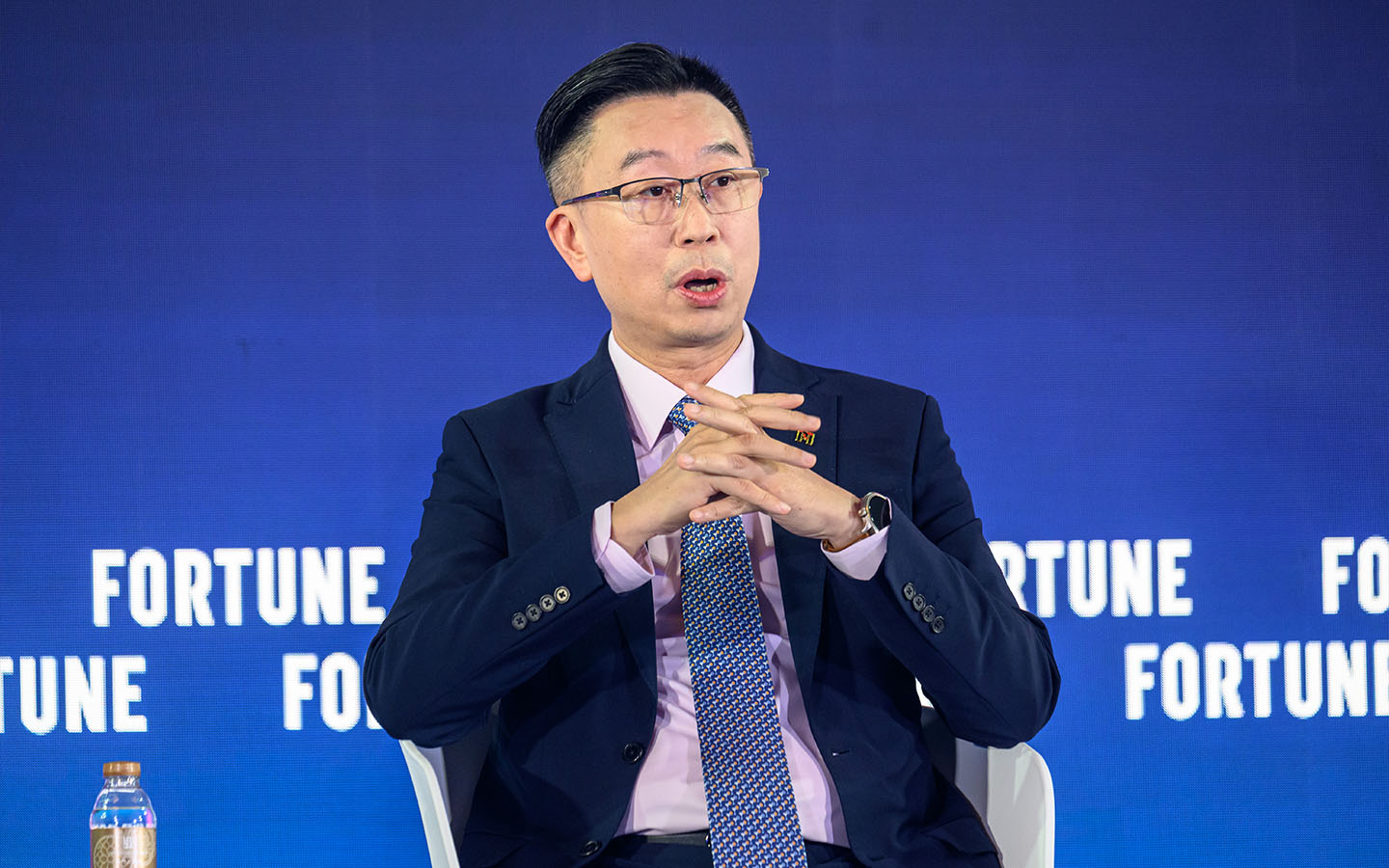
Macao should aim to become a business hub in the way Las Vegas has, rather than remain defined purely as a tourism destination, according to Alex Che Weng Keong, president of Macao’s Commerce and Investment Promotion Institute (IPIM), speaking at the inaugural Fortune Leaders Forum yesterday.
What did Che say about Macao’s ambitions?
Che pointed to Las Vegas as proof that a gambling hub can also become “a world-class venue for business, exchange, conferences and exhibitions.” He laid out a longer term vision in which Macao would present itself internationally as a unified Greater Bay Area “tech city” by assimilating closely with the neighbouring 106-square-kilometre Hengqin cooperation zone within the next decade.
[See more: Paul Chan: Greater Bay Area’s edge lies in combining finance and innovation]
That builds on Macao’s nearer term Five-Year Plan target of lifting non-gambling GDP to roughly 60 percent by 2030. Che also argued that the Greater Bay Area’s often cited complexity – with three currencies and three legal systems spanning Hong Kong, Macao and Guangdong – is less an integration obstacle than a competitive advantage, pointing to Macao’s historic ties with Portuguese speaking markets as a lever for moving talent and capital across the region.
What else happened at the Fortune Leaders Forum?
More than 250 executives, investors, policymakers and innovators attended the Fortune Leaders Forum in Macao at Grand Lisboa Palace Resort, held in partnership with SJM Resorts under the theme “Leadership in the Age of Convergence and Complexity.” Sessions covered the global economic outlook, autonomous mobility, digital finance and enterprise AI adoption, alongside sector-specific discussions on travel, energy, healthcare and talent.
SJM Resorts managing director Daisy Ho delivered the opening keynote, while featured speakers included Starbucks Asia Pacific president Chanda Beppu, Trip.com Group chief executive Jane Sun, and Walmart China chief executive Christina Zhu, among others.